Polymer composite materials have revolutionized various industries with their exceptional properties, including high strength-to-weight ratios, corrosion resistance, and design flexibility. However, one critical aspect that significantly impacts their performance is their response to moisture. As a leading supplier of polymer composite materials, I’ve witnessed firsthand how moisture can both challenge and enhance the functionality of these materials. In this blog, I’ll delve into the intricate ways polymer composite materials respond to moisture, exploring the underlying mechanisms, implications, and strategies to mitigate potential issues. Polymer Composite Material

Understanding the Interaction between Polymer Composites and Moisture
Moisture can penetrate polymer composite materials through various mechanisms, primarily diffusion. The rate of diffusion depends on several factors, including the type of polymer matrix, fiber reinforcement, and environmental conditions. For instance, polymers with polar functional groups tend to absorb more moisture due to their affinity for water molecules. Additionally, the presence of voids or microcracks in the composite structure can accelerate moisture ingress, providing pathways for water to penetrate deeper into the material.
Once moisture enters the composite, it can interact with both the polymer matrix and the fiber reinforcement. In the polymer matrix, moisture can plasticize the material, reducing its stiffness and strength. This plasticization effect is particularly pronounced in amorphous polymers, where water molecules disrupt the intermolecular forces between polymer chains, leading to increased chain mobility. As a result, the mechanical properties of the composite, such as modulus and tensile strength, may decrease significantly.
On the other hand, moisture can also cause swelling in the polymer matrix, leading to dimensional changes in the composite. This swelling can be particularly problematic in applications where tight tolerances are required, as it can lead to misalignments or interference fits. Moreover, the swelling can induce internal stresses within the composite, potentially leading to delamination or cracking, especially at the interface between the polymer matrix and the fiber reinforcement.
Impact of Moisture on Fiber Reinforcement
In addition to its effects on the polymer matrix, moisture can also have a significant impact on the fiber reinforcement in polymer composites. For example, in glass fiber-reinforced composites, moisture can cause hydrolysis of the glass fibers, leading to a reduction in their strength and stiffness. This hydrolysis reaction occurs when water molecules react with the silicate bonds in the glass fibers, breaking them down and weakening the fiber structure.
Similarly, in carbon fiber-reinforced composites, moisture can cause oxidation of the carbon fibers, leading to a decrease in their mechanical properties. Oxidation occurs when oxygen in the air reacts with the carbon fibers in the presence of moisture, forming carbon dioxide and other byproducts. This oxidation process can weaken the fiber structure and reduce the overall performance of the composite.
Environmental Factors Affecting Moisture Uptake
The rate and extent of moisture uptake in polymer composite materials are influenced by several environmental factors, including temperature, humidity, and exposure time. Generally, higher temperatures and humidity levels increase the rate of moisture diffusion into the composite, as water molecules have more energy to move through the material. Additionally, longer exposure times allow more moisture to penetrate the composite, leading to greater moisture uptake.
Another important environmental factor is the presence of chemicals or contaminants in the environment. For example, exposure to certain chemicals, such as acids or alkalis, can accelerate the degradation of polymer composite materials, especially in the presence of moisture. These chemicals can react with the polymer matrix or the fiber reinforcement, leading to chemical degradation and a reduction in the mechanical properties of the composite.
Strategies to Mitigate Moisture-Related Issues
To mitigate the potential issues associated with moisture uptake in polymer composite materials, several strategies can be employed. One approach is to use moisture-resistant polymers or coatings. For example, polymers with low water absorption rates, such as polyetheretherketone (PEEK) or polyphenylene sulfide (PPS), can be used as the matrix material in composites. Additionally, coatings can be applied to the surface of the composite to provide a barrier against moisture ingress.
Another strategy is to optimize the composite design to minimize the presence of voids or microcracks, which can act as pathways for moisture to penetrate the material. This can be achieved through proper manufacturing techniques, such as vacuum infusion or autoclave processing, which can help to ensure a more uniform and dense composite structure.
Furthermore, environmental control measures can be implemented to reduce the exposure of polymer composite materials to moisture. For example, in applications where the composite is exposed to high humidity or wet conditions, dehumidification systems can be used to maintain a low humidity environment. Additionally, protective enclosures or covers can be used to shield the composite from direct contact with water or moisture.
Case Studies: Real-World Applications
To illustrate the practical implications of moisture on polymer composite materials, let’s consider a few real-world applications. In the aerospace industry, polymer composite materials are widely used in aircraft structures due to their high strength-to-weight ratios and corrosion resistance. However, moisture uptake can pose a significant challenge in this application, as it can affect the mechanical properties of the composite and lead to structural failures.
To address this issue, aerospace manufacturers often use moisture-resistant polymers and coatings in their composite materials. Additionally, they implement strict environmental control measures during the manufacturing and maintenance processes to minimize the exposure of the composites to moisture.
In the automotive industry, polymer composite materials are increasingly being used in vehicle components, such as body panels and interior parts, to reduce weight and improve fuel efficiency. However, moisture uptake can also be a concern in this application, as it can cause swelling and dimensional changes in the composite, leading to fit and finish issues.
To mitigate these issues, automotive manufacturers use moisture-resistant polymers and coatings in their composite materials. They also design the components to allow for proper drainage and ventilation to prevent the accumulation of moisture.
Conclusion
In conclusion, the response of polymer composite materials to moisture is a complex and multifaceted issue that can have significant implications for their performance and durability. As a supplier of polymer composite materials, it’s essential to understand the underlying mechanisms of moisture uptake and its effects on the composite structure. By implementing appropriate strategies to mitigate moisture-related issues, such as using moisture-resistant polymers and coatings, optimizing the composite design, and implementing environmental control measures, we can ensure that our customers receive high-quality polymer composite materials that meet their specific requirements.
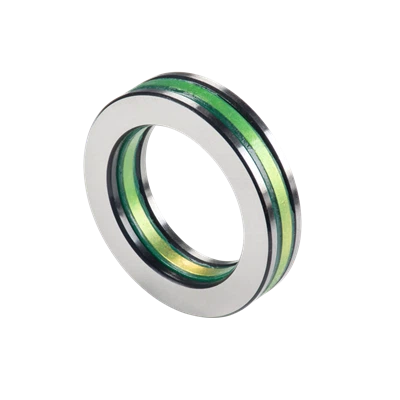
Metallic Ptfe Liner Bearings If you’re interested in learning more about our polymer composite materials and how they can be tailored to your specific application, I encourage you to contact us for a consultation. Our team of experts is available to discuss your needs and provide you with the best solutions for your project.
References
- John M. Whitney, "Structural Analysis of Composite Materials," 2nd Edition, Wiley, 2004.
- David Hull and T. W. Clyne, "An Introduction to Composite Materials," 2nd Edition, Cambridge University Press, 1996.
- Michael P. Sepe, "Handbook of Polymeric Composite Materials," 2nd Edition, William Andrew Publishing, 2004.
Shanghai Lianyi Bearing Tech Co., Ltd
s one of the leading polymer composite material manufacturers and suppliers in China, we warmly welcome you to buy polymer composite material made in China here from our factory. All customized products are with high quality and competitive price. Contact us for more details.
Address: Room 401, Building 9, No. 99, Suijiang Road, Minhang District, Shanghai
E-mail: mkt@lianyi-sh.com.cn
WebSite: https://www.gtb-bearing.com/
