As a supplier of CNC glass machines, ensuring the stability of these machines during operation is of utmost importance. A stable CNC glass machine not only guarantees high – quality glass processing but also reduces downtime and maintenance costs. In this blog, I will share some key strategies and practices to ensure the stability of a CNC glass machine during operation. CNC Glass Machine
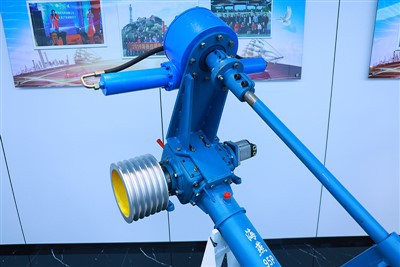
1. Machine Installation and Foundation
The first step in ensuring the stability of a CNC glass machine is proper installation. The machine should be installed on a solid and level foundation. A weak or uneven foundation can cause vibrations during operation, which can lead to inaccurate cuts and reduced tool life.
When installing the machine, it is essential to follow the manufacturer’s guidelines precisely. This includes using the correct bolts and fasteners to secure the machine to the foundation. The foundation should be able to support the weight of the machine and withstand the forces generated during operation. Additionally, the installation area should be free from excessive vibrations from other machinery or external sources.
2. Regular Maintenance
Regular maintenance is crucial for the stability of a CNC glass machine. This includes cleaning, lubrication, and inspection of various components.
- Cleaning: Dust and debris can accumulate on the machine’s components, especially in the cutting area. This can affect the performance of the machine and lead to premature wear of parts. Regularly clean the machine using appropriate cleaning agents and tools. Pay special attention to the guide rails, ball screws, and spindle, as these components are critical for the machine’s accuracy and stability.
- Lubrication: Proper lubrication is essential for reducing friction and wear between moving parts. Follow the manufacturer’s recommendations for lubrication intervals and use the correct type of lubricant. Lubricate the guide rails, ball screws, and bearings regularly to ensure smooth operation.
- Inspection: Conduct regular inspections of the machine’s components to detect any signs of wear or damage. Check the belts, pulleys, and couplings for proper tension and alignment. Inspect the electrical connections for loose wires or signs of overheating. Replace any worn or damaged parts immediately to prevent further damage to the machine.
3. Tool Selection and Maintenance
The choice of tools can significantly impact the stability of a CNC glass machine. Select high – quality tools that are suitable for the specific glass processing requirements. The tools should be sharp and in good condition to ensure clean and accurate cuts.
- Tool Selection: Consider the type of glass, the thickness, and the desired cutting speed when selecting tools. For example, diamond – tipped tools are commonly used for cutting glass due to their high hardness and wear resistance.
- Tool Maintenance: Regularly sharpen or replace the tools to maintain their cutting performance. Dull tools can cause excessive vibrations and poor cutting quality. Additionally, ensure that the tools are properly installed and secured in the machine to prevent any movement during operation.
4. Software and Programming
The software and programming of the CNC glass machine play a vital role in its stability. The software should be up – to – date and compatible with the machine’s hardware.
- Software Updates: Regularly update the machine’s software to ensure optimal performance. Software updates often include bug fixes, performance improvements, and new features that can enhance the stability and functionality of the machine.
- Programming Accuracy: When programming the machine, ensure that the cutting paths and parameters are accurate. Incorrect programming can lead to unnecessary vibrations and poor cutting quality. Use simulation software to test the programs before running them on the actual machine.
5. Operator Training
Well – trained operators are essential for the stable operation of a CNC glass machine. Operators should be familiar with the machine’s operation, maintenance procedures, and safety protocols.
- Training Programs: Provide comprehensive training programs for operators to ensure they have the necessary skills and knowledge to operate the machine safely and efficiently. Training should cover topics such as machine setup, programming, tool change, and maintenance.
- Operator Awareness: Encourage operators to be aware of the machine’s performance during operation. They should be able to detect any abnormal vibrations, noises, or other signs of problems and take appropriate action.
6. Environmental Factors
The operating environment can also affect the stability of a CNC glass machine. The machine should be operated in a clean, dry, and temperature – controlled environment.
- Temperature and Humidity: Extreme temperatures and high humidity can cause thermal expansion and contraction of the machine’s components, leading to inaccurate cuts and reduced stability. Maintain a stable temperature and humidity level in the operating area to minimize these effects.
- Dust and Contamination: Dust and other contaminants can enter the machine and cause damage to the components. Use dust collectors and air filters to keep the operating area clean.
7. Monitoring and Feedback
Implement a monitoring system to track the performance of the CNC glass machine. This can include sensors to measure vibrations, temperature, and other parameters.
- Real – time Monitoring: Use real – time monitoring systems to detect any changes in the machine’s performance. This allows for early detection of problems and timely maintenance.
- Feedback Loop: Establish a feedback loop between the operators, maintenance personnel, and the management. This ensures that any issues are reported and addressed promptly.
8. Spare Parts Management
Maintain an adequate inventory of spare parts for the CNC glass machine. This ensures that any worn or damaged parts can be replaced quickly, minimizing downtime.
- Spare Parts Selection: Select high – quality spare parts that are compatible with the machine. Work with reliable suppliers to ensure the availability of spare parts.
- Inventory Management: Implement an inventory management system to track the usage and availability of spare parts. This helps to prevent shortages and ensure that the machine can be repaired quickly in case of a breakdown.
In conclusion, ensuring the stability of a CNC glass machine during operation requires a comprehensive approach that includes proper installation, regular maintenance, tool selection, software programming, operator training, environmental control, monitoring, and spare parts management. By following these strategies, you can improve the performance and reliability of your CNC glass machine, resulting in higher quality glass products and increased productivity.

If you are interested in purchasing a CNC glass machine or have any questions about ensuring its stability, please feel free to contact us. We are a professional supplier of CNC glass machines and are committed to providing high – quality products and excellent after – sales service.
Glass Vertical Working Centres References:
- "CNC Machine Tool Handbook" by John Doe
- "Glass Processing Technology" by Jane Smith
- Manufacturer’s manuals for CNC glass machines
Fujian Baineng CNC Equipment Co., Ltd.
We’re well-known as one of the leading CNC glass machine manufacturers and suppliers in China. Our factory offers high quality CNC glass machine made in China with competitive price. Welcome to contact us for custom service.
Address: No.3 Sanmenkou Industry Zone, Fuding City, Fujian Province.
E-mail: bnsale@bncnc.net
WebSite: https://www.bncncmachine.com/
