As a cycling wear supplier, I’ve seen firsthand the distinct differences between cycling race wear and regular cycling wear. These differences aren’t just about aesthetics; they’re deeply rooted in functionality, design, and the specific needs of cyclists in different scenarios. Cycling Wear
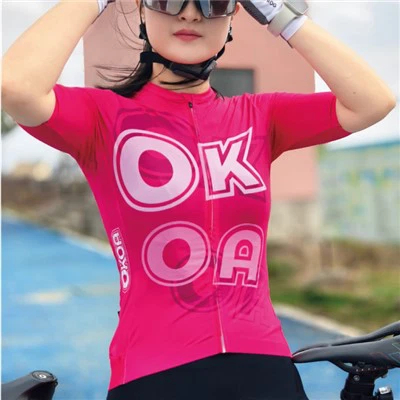
1. Functionality
Aerodynamics
In cycling races, every second counts. Race wear is designed with aerodynamics in mind. The fabric is often smooth and form – fitting to reduce air resistance. For example, skinsuits, a common type of race wear, are made from a single piece of fabric that hugs the body tightly. This seamless design minimizes drag as the cyclist moves through the air. The seams are strategically placed to follow the natural contours of the body, further reducing air turbulence.
On the other hand, regular cycling wear focuses more on comfort and general mobility. While some regular cycling jerseys and shorts may have a relatively streamlined design, they are not optimized for the high – speed, competitive environment. The fabric may be looser, allowing for more freedom of movement, but this also means it creates more drag compared to race wear.
Moisture Management
Cycling races can be intense, and cyclists generate a significant amount of sweat. Race wear is engineered to wick moisture away from the body quickly. High – tech fabrics with moisture – wicking properties are used to keep the cyclist dry. This not only enhances comfort but also helps regulate body temperature. For instance, many race jerseys have panels made of breathable, moisture – wicking materials that draw sweat to the outer surface of the fabric, where it can evaporate.
Regular cycling wear also has some level of moisture management, but it may not be as advanced. The fabric might take longer to dry, and the overall moisture – wicking efficiency may be lower. This is because regular cyclists may not be exerting themselves as strenuously as racers, so the need for rapid moisture removal is not as critical.
Padding
Padding is another crucial aspect of cycling wear. In race wear, the padding is designed to be thin yet effective. It needs to provide enough cushioning to reduce pressure on the sit bones during long – distance races, but it can’t add too much bulk. Race shorts often have a chamois that is contoured to fit the body and is made from high – density foam or gel materials.
Regular cycling wear may have thicker padding, as comfort is a primary concern for non – competitive cyclists. The padding can be more forgiving and may cover a larger area of the seat. However, this extra padding can sometimes be a hindrance in a race situation, as it can add weight and restrict movement.
2. Design
Fit
Race wear has a very tight fit. It is designed to be skin – tight to reduce air resistance and to stay in place during high – speed cycling. The fit is so precise that it follows the body’s every curve, ensuring that there are no loose flaps of fabric that could create drag. For example, a race – specific cycling jersey will have a snug collar, cuffs, and hem to prevent air from getting trapped inside.
Regular cycling wear has a more relaxed fit. It allows for a greater range of motion, which is beneficial for casual cyclists who may not be as concerned about speed. A regular cycling shirt may have a looser body and longer sleeves, providing more comfort during leisurely rides.
Visibility
In a race, visibility is crucial for safety. Race wear often features bright colors and high – contrast patterns. These designs make cyclists more visible to other riders, officials, and spectators. Reflective elements are also commonly incorporated into race wear to enhance visibility in low – light conditions.
Regular cycling wear may also have some visibility features, but they are not as prominent. The focus is more on personal style and comfort, so the color choices may be more subdued.
Pockets
Race wear typically has fewer pockets. Since racers need to be as aerodynamic as possible, having too many pockets can create drag. However, there are usually a few essential pockets, such as a small rear pocket for energy gels or a spare tube.
Regular cycling wear often has more pockets. Casual cyclists may need to carry more items, such as a phone, keys, snacks, and a small repair kit. So, regular cycling jerseys and shorts may have multiple pockets of different sizes to accommodate these items.
3. Material
Fabric Quality
Race wear is made from high – performance fabrics. These fabrics are lightweight, durable, and have excellent moisture – wicking and stretch properties. For example, some race skinsuits are made from a combination of Lycra and other synthetic fibers that offer a perfect balance of stretch and aerodynamics.
Regular cycling wear may use a wider range of fabrics. While some high – end regular cycling gear may also use quality materials, there are also more affordable options that use less advanced fabrics. These fabrics may be less breathable or have a lower level of stretch.
Durability
Race wear needs to withstand the rigors of intense competition. The fabric is often more durable to resist abrasion and tearing. Race shorts, for example, are designed to handle the constant friction of pedaling at high speeds.
Regular cycling wear may not need to be as durable. Since casual cyclists are not putting as much stress on the gear, the fabric may not need to be as tough. However, this also means that regular cycling wear may not last as long as race wear under heavy use.
4. Cost
Race wear is generally more expensive than regular cycling wear. The high – tech materials, advanced manufacturing processes, and aerodynamic design all contribute to the higher cost. Racers are willing to invest in high – quality race wear because it can give them a competitive edge.
Regular cycling wear is more affordable. It is designed to meet the needs of casual cyclists who may not be willing to spend a large amount of money on cycling gear. There are many options available at different price points, allowing cyclists to choose the gear that fits their budget.
Conclusion
In conclusion, the differences between cycling race wear and regular cycling wear are significant. Race wear is optimized for performance, with a focus on aerodynamics, moisture management, and a tight fit. Regular cycling wear, on the other hand, prioritizes comfort, mobility, and affordability.

As a cycling wear supplier, I understand the unique needs of both racers and casual cyclists. Whether you’re a professional cyclist looking for the latest in race – specific gear or a weekend rider in search of comfortable and functional cycling wear, we have a wide range of products to meet your needs.
Cycling Skin Suits If you’re interested in purchasing cycling wear, whether it’s race – grade or regular, I invite you to reach out to us for a detailed discussion. We can help you find the perfect cycling wear that suits your requirements and budget.
References
- Cycling Equipment Handbook: A Comprehensive Guide to Bicycles and Accessories
- Journal of Sports Science and Technology, Vol. 15, Issue 3 – "The Impact of Cycling Wear on Performance"
- The Cyclist’s Bible: A Complete Guide to Biking
Taicang Jeice Sports Co., Ltd
We’re well-known as one of the leading cycling wear manufacturers and suppliers in China. Please feel free to buy high quality cycling wear made in China here from our factory. Good service and reasonable price are available.
Address: 3rd Floor, No.28, Xiajiaqiao Road, Ludu Street, Taicang, Jiangsu Province, China
E-mail: jeicesportswei@163.com
WebSite: https://www.jeicesports.com/
