Hey there! I’m a supplier of turning inserts, and I’ve seen a lot of folks scratching their heads when it comes to choosing the right ones. So, I thought I’d share some tips to make that decision a whole lot easier. Turning Inserts
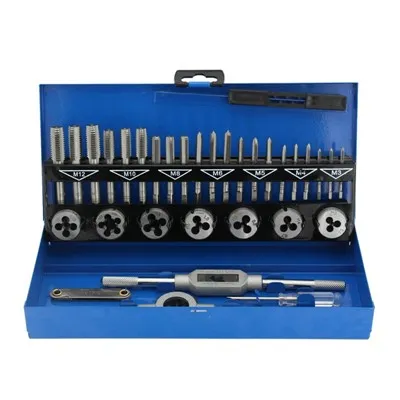
First off, let’s talk about what turning inserts are. They’re those little cutting tools that we use in lathes to shape and cut metal. They come in all sorts of shapes, sizes, and materials, and picking the right one can really make a difference in your work.
Material Matters
The material of the turning insert is super important. You’ve got a few main options here.
Carbide Inserts
Carbide is probably the most common material for turning inserts. It’s tough, can handle high temperatures, and gives a good finish. If you’re working with hard metals like steel, carbide inserts are a great choice. They can cut through the metal without wearing down too quickly. For example, if you’re making automotive parts out of steel, carbide inserts will do the job efficiently.
Ceramic Inserts
Ceramic inserts are even harder than carbide. They’re perfect for high-speed machining. If you’re in a hurry to get the job done and you’re working with hard materials, ceramic inserts are your go-to. But they’re a bit brittle, so you’ve got to be careful not to put too much stress on them.
CBN (Cubic Boron Nitride) Inserts
CBN inserts are the heavy hitters. They’re used for super hard materials like hardened steel. If you’re in the aerospace industry and working with high-strength alloys, CBN inserts are what you need. They can handle the extreme heat and pressure that comes with cutting these tough materials.
Insert Geometry
The shape of the turning insert also plays a big role.
Round Inserts
Round inserts are great for general turning. They can be used for both roughing and finishing. They have a large cutting edge, which means they can remove a lot of material quickly. They’re also good for turning curves and contours.
Triangular Inserts
Triangular inserts are more versatile. They can be used for different types of turning operations, like facing, grooving, and threading. They’re a popular choice because they offer a good balance between cutting performance and cost.
Square Inserts
Square inserts are mainly used for finishing operations. They give a smooth surface finish and are great for precision work. If you need to make parts with tight tolerances, square inserts are the way to go.
Coating Considerations
Many turning inserts come with a coating. This coating can improve the performance of the insert in several ways.
Titanium Nitride (TiN) Coating
TiN coating is one of the most common coatings. It’s hard and wear-resistant. It can increase the tool life of the insert and reduce friction. This means you can cut faster and get a better finish.
Titanium Carbonitride (TiCN) Coating
TiCN coating is even harder than TiN. It’s great for high-speed machining and can handle higher cutting temperatures. If you’re looking for a coating that can take a beating, TiCN is a good option.
Aluminum Oxide (Al₂O₃) Coating
Al₂O₃ coating is heat-resistant. It can protect the insert from the high temperatures generated during cutting. This is especially important when you’re working with hard materials.
Chip Control
Controlling the chips is another important factor. If the chips aren’t properly managed, they can cause problems like tool wear, poor surface finish, and even damage to the workpiece.
Chipbreakers
Many turning inserts come with chipbreakers. These are little grooves or notches on the insert that help break the chips into smaller pieces. This makes it easier to remove the chips from the cutting area and reduces the risk of chip jamming.
Chip Evacuation
Proper chip evacuation is also crucial. You need to make sure that the chips are being removed from the cutting area as quickly as possible. This can be achieved by using the right cutting parameters and the right coolant.
Cutting Parameters
The cutting parameters, such as cutting speed, feed rate, and depth of cut, also affect the performance of the turning insert.
Cutting Speed
The cutting speed is how fast the insert is moving relative to the workpiece. If the cutting speed is too high, the insert can overheat and wear out quickly. If it’s too low, the cutting process will be slow and inefficient. You need to find the right balance based on the material you’re cutting and the type of insert you’re using.
Feed Rate
The feed rate is how fast the insert is moving along the workpiece. A higher feed rate can increase the material removal rate, but it can also cause more wear on the insert. You need to adjust the feed rate based on the cutting speed and the material.
Depth of Cut
The depth of cut is how deep the insert is cutting into the workpiece. A deeper cut can remove more material, but it also puts more stress on the insert. You need to find the right depth of cut based on the material and the insert’s capabilities.
Application-Specific Considerations
Different applications require different types of turning inserts.
Automotive Industry
In the automotive industry, you’re often working with steel and aluminum. You need inserts that can handle high-volume production and provide a good surface finish. Carbide inserts with a TiN or TiCN coating are a popular choice.
Aerospace Industry
The aerospace industry deals with high-strength alloys and super hard materials. CBN inserts are often used for this type of work because they can handle the extreme conditions.
General Machining
For general machining, you might need a more versatile insert. Triangular inserts with a variety of coatings can be a good option.
Making the Decision
So, how do you choose the right turning insert? Here are some steps to follow:
- Identify the Material: Figure out what material you’re going to be cutting. This will help you narrow down the options for insert material.
- Determine the Application: Think about what you’re going to be using the insert for. Is it for roughing, finishing, or something else? This will help you choose the right insert geometry.
- Consider the Coating: Look at the different coatings available and choose one that suits your needs. A good coating can improve the performance and tool life of the insert.
- Check the Chip Control: Make sure the insert has good chip control features, like chipbreakers. This will help keep the cutting area clean and prevent problems.
- Test and Evaluate: If possible, test the insert on a small piece of the material before you start a big job. This will give you an idea of how it performs and whether it’s the right choice for you.
Conclusion
Choosing the right turning insert can be a bit of a challenge, but if you follow these tips, you’ll be well on your way to making the right decision. Remember, it’s all about finding the insert that best suits your material, application, and cutting requirements.
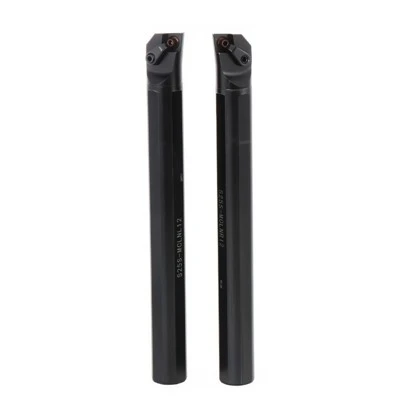
If you’re interested in purchasing turning inserts or have any questions, feel free to reach out. I’d be more than happy to help you find the perfect inserts for your needs.
Corner Rounding Cutters References
- "Machining Technology: An Introduction" by Robert L. Norton
- "Cutting Tool Engineering Handbook" by Eugene A. Halmshaw
Small Craftsman (Shandong) Machine & Tools Co., Ltd.
Small Craftsman (Shandong) Machine & Tools Co., Ltd. is one of the most experienced turning inserts manufacturers and suppliers in China, also supports customized service with low price. Please feel free to buy bulk high quality turning inserts in stock here from our factory. Contact us for pricelist.
Address: No.9 Quanxin Rd., Sishui Economic Developing Zone, Jining, Shandong, China.
E-mail: 6196@ocutchina.com
WebSite: https://www.ocutooling.com/
