As a seasoned supplier of lifting points, I’ve witnessed firsthand the critical importance of ensuring the proper alignment of these essential components. Lifting points are the linchpin in any lifting operation, and their correct alignment is not just a matter of convenience but a crucial safety and efficiency factor. In this blog post, I’ll share some key insights and practices on how to ensure the alignment of a lifting point. Lifting Point
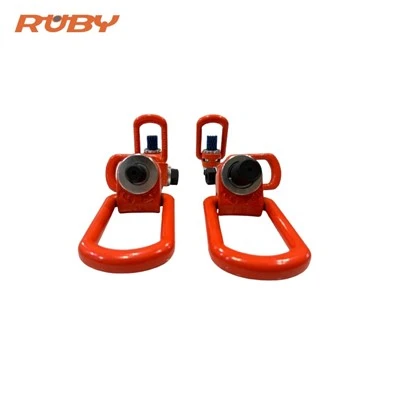
Understanding the Basics of Lifting Point Alignment
Before delving into the alignment process, it’s essential to understand what we mean by alignment. Alignment refers to the proper positioning of the lifting point relative to the load and the lifting equipment. This includes ensuring that the lifting point is centered over the center of gravity of the load, the load is balanced evenly, and the lifting forces are distributed properly.
The center of gravity is the point where the entire weight of the load can be considered to act. If the lifting point is not aligned with the center of gravity, the load will be unbalanced, which can lead to tilting, swaying, or even the load falling during the lifting process. This not only endangers the safety of the workers involved but also risks damaging the load and the surrounding equipment.
Initial Planning and Assessment
The first step in ensuring the alignment of a lifting point is thorough planning and assessment. Before any lifting operation begins, it’s crucial to conduct a detailed analysis of the load. This includes determining the weight, shape, and center of gravity of the load.
For simple, symmetric loads, the center of gravity is usually at the geometric center. However, for complex or irregularly shaped loads, more advanced techniques may be required to accurately locate the center of gravity. One common method is to use a mathematical model or computer simulation based on the load’s dimensions and material properties.
Once the center of gravity is determined, the next step is to select the appropriate lifting point. The lifting point should be strong enough to support the weight of the load and be compatible with the lifting equipment. It’s also important to consider the location of the lifting point on the load. Ideally, the lifting point should be directly above the center of gravity to minimize the risk of imbalance.
Installation and Setup
Proper installation of the lifting point is crucial for ensuring alignment. The lifting point should be installed according to the manufacturer’s instructions and industry standards. This includes using the correct bolts, nuts, and washers, and ensuring that the lifting point is securely attached to the load.
During the installation process, it’s important to use alignment tools such as spirit levels and plumb bobs to ensure that the lifting point is vertical and centered. A spirit level can be used to check the horizontal alignment, while a plumb bob can be used to check the vertical alignment. These tools are relatively inexpensive and easy to use, but they can make a significant difference in ensuring the accuracy of the alignment.
In addition to using alignment tools, it’s also important to double-check the alignment before the lifting operation begins. This can be done by visually inspecting the load and the lifting point to ensure that they are in the correct position. Any discrepancies should be corrected immediately to avoid any potential safety hazards.
Testing and Verification
Once the lifting point is installed and aligned, it’s important to conduct a test lift to verify the alignment. The test lift should be performed with a small load or a dummy load to ensure the safety of the workers and the equipment.
During the test lift, it’s important to observe the load carefully. If the load appears to be tilting or swaying, it may indicate that the lifting point is not properly aligned. In this case, the lifting operation should be stopped immediately, and the alignment should be rechecked and corrected.
After the test lift is successful, the final lift can be performed. It’s important to monitor the load closely during the entire lifting process to ensure that the alignment remains stable. Any changes in the alignment should be addressed immediately to prevent any accidents.
Maintenance and Inspection
Regular maintenance and inspection of the lifting point are essential for ensuring its continued alignment and safe operation. The lifting point should be inspected before each use to check for any signs of damage, wear, or misalignment.
Any damaged or worn parts should be replaced immediately to prevent any potential safety hazards. It’s also important to clean the lifting point regularly to remove any dirt, debris, or corrosion that may affect its performance.
In addition to regular inspections, the lifting point should also be maintained according to the manufacturer’s recommendations. This may include lubricating the moving parts, tightening the bolts and nuts, and performing any necessary adjustments.
Training and Education
Finally, it’s important to provide proper training and education to the workers involved in the lifting operation. The workers should be trained on how to plan, assess, install, test, and maintain the lifting point. They should also be familiar with the safety procedures and regulations related to lifting operations.
Proper training and education can help to ensure that the lifting point is aligned correctly and that the lifting operation is performed safely and efficiently. It can also help to prevent any accidents or injuries that may occur due to improper alignment or handling of the lifting point.
Conclusion
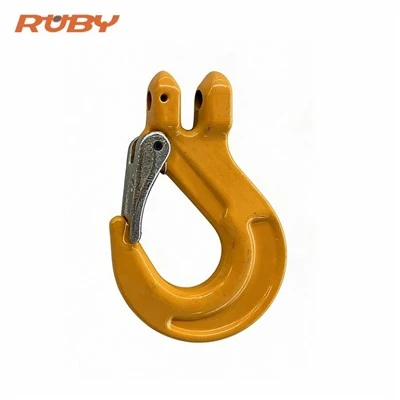
Ensuring the alignment of a lifting point is a critical aspect of any lifting operation. By following the steps outlined in this blog post, you can help to ensure that your lifting points are properly aligned, which will not only improve the safety and efficiency of your lifting operations but also extend the lifespan of your lifting equipment.
Weldable Lifting Lugs If you’re in the market for high-quality lifting points or need more information on how to ensure their alignment, I’d be more than happy to assist you. Please don’t hesitate to reach out to us for a consultation. We’re committed to providing our customers with the best products and services to meet their lifting needs.
References
- ASME B30.20 – Below-the-Hook Lifting Devices
- OSHA – 29 CFR 1910.184 – Personal Fall Arrest Systems
- Crosby Group – Technical Manual for Lifting and Rigging Equipment
Hangzhou Ruby Imp. & Exp. Co., Ltd.
As one of the most experienced lifting point manufacturers and suppliers in China, we offer a wide range of products with superior quality. We warmly welcome you to wholesale custom made lifting point at competitive price from our factory.
Address: Taoyuan Industrial Park, Puyang Town, Xiaoshan, Hangzhou, Zhejiang, China.
E-mail: Sales5@z2lifting.com
WebSite: https://www.rubylifting.com/
