Hey there! As a forged valve supplier, I’ve seen my fair share of valve failures over the years. In the world of industrial equipment, forged valves are super important, but they’re not immune to issues. Let’s take a closer look at some of the common failures of forged valves. Forged Valve

1. Leakage
One of the most obvious and annoying problems is leakage. It can happen in different parts of the valve. For instance, the valve stem packing area is a common spot. Over time, the packing material can wear out due to constant movement of the stem. If the packing isn’t tightened properly during installation or if it dries up and loses its sealing properties, it’ll start to let fluid or gas leak.
Another area where leakage can occur is at the flange connections. If the gaskets between the flanges get damaged – maybe they’re compressed unevenly or they’ve been exposed to harsh chemicals – fluid can seep out. And trust me, even a small leak can turn into a big headache, especially when you’re dealing with high – pressure or hazardous substances.
2. Corrosion
Corrosion is a real pain in the butt for forged valves. When the valve is exposed to corrosive substances like acids, alkalis, or even just regular water in some cases, it starts to eat away at the metal. There are different types of corrosion, too.
Uniform corrosion is when the entire surface of the valve gets slowly eroded. This can happen when the valve is in a corrosive environment for a long time. Pitting corrosion is another type. It creates small holes or pits on the valve surface, and these pits can grow deeper and deeper, weakening the valve structure.
In some industries, like the chemical or marine industries, corrosion is an even bigger concern. The saltwater in the marine environment is extremely corrosive, and chemicals used in the chemical industry can be just as bad. If you don’t choose the right material for your forged valve, corrosion is almost guaranteed.
3. Cavitation
Cavitation is a phenomenon that occurs when there’s a sudden change in pressure within the valve. When the pressure drops below the vapor pressure of the fluid, vapor bubbles form. Then, when the pressure increases again, these bubbles collapse. This collapse creates a shockwave that can damage the valve internals.
You can usually tell if there’s cavitation happening because you’ll hear a loud, popping sound. Over time, the repeated impact of these collapsing bubbles can cause erosion and pitting on the valve seat, disc, and other internal components. This not only affects the valve’s performance but can also lead to leakage and even complete failure if left unchecked.
4. Erosion
Erosion is similar to corrosion, but it’s more about the physical wear caused by the flowing fluid or gas. If the fluid contains solid particles or if it’s flowing at high velocity, it can scrape away the metal surface of the valve.
This is especially common in applications where there’s a lot of abrasive material in the fluid, like in mining or wastewater treatment plants. The constant rubbing of the particles against the valve can wear down the valve body, seat, and disc, reducing the valve’s lifespan and causing it to malfunction.
5. Mechanical Failure
Mechanical failures can happen in various ways. For example, the valve disc might get stuck. This could be due to debris getting caught between the disc and the seat, or it could be because of deformation of the disc or seat over time.
The actuator, which is used to open and close the valve, can also fail. If the actuator motor breaks down or if there’s a problem with the control system, the valve won’t operate properly. And sometimes, the valve stem can break. This usually happens due to excessive stress, maybe from over – tightening the valve or from high – pressure conditions.
6. Improper Installation
You’d be surprised how many valve problems are caused by improper installation. If the valve isn’t installed in the correct orientation, it might not function as intended. For example, some valves are designed to work in a specific flow direction, and if you install them backwards, they won’t open or close properly.
Also, if the bolts on the flange connections aren’t tightened evenly, it can lead to leakage. And if the valve isn’t properly aligned with the pipeline, it can put extra stress on the valve body, which can eventually cause failure.
7. Fatigue Failure
Forged valves are often subjected to repeated stress cycles. Every time the valve is opened and closed, or when there are pressure fluctuations in the system, the metal experiences stress. Over time, this can lead to fatigue failure.
Cracks can start to form in areas of high stress, like around the valve openings or at the junction of different components. These cracks can grow gradually and eventually cause the valve to fail. Fatigue failure is more likely to happen in valves that are used in applications with frequent cycling, like in power plants or refineries.
8. Material Defects
Sometimes, the problem lies in the material itself. If there are impurities in the metal during the forging process, it can weaken the valve. For example, if there are voids or inclusions in the metal, it can reduce the strength of the valve and make it more prone to failure.
Also, if the wrong material is chosen for the application, it won’t be able to withstand the conditions. For instance, using a valve made of a low – grade steel in a high – temperature or high – pressure application is just asking for trouble.
How to Avoid These Failures
As a forged valve supplier, I always recommend proper maintenance. Regularly check the valve for signs of leakage, corrosion, or wear. Replace the packing material and gaskets when needed.
Choose the right material for your application. If you’re in a corrosive environment, go for a stainless steel or a special alloy valve. Make sure the valve is installed correctly by a qualified professional.
If you’re not sure what type of valve you need or how to maintain it, don’t hesitate to reach out. I’ve got a team of experts who can help you select the right valve and give you advice on how to keep it in good shape.
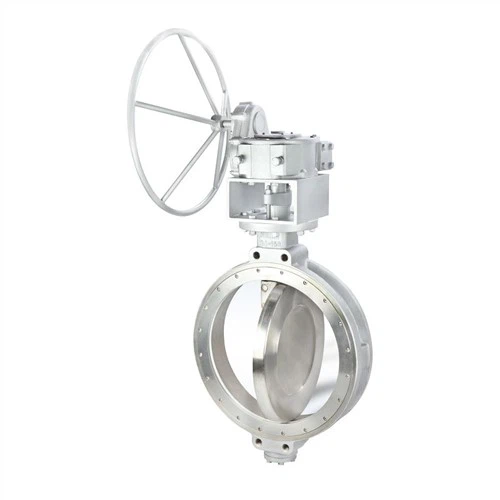
Whether you’re in the oil and gas industry, the power generation sector, or any other industry that needs forged valves, we’ve got you covered. Our valves are made with high – quality materials and strict manufacturing standards to minimize the risk of these common failures.
Bi-offset Butterfly If you’re interested in purchasing forged valves or have any questions about valve maintenance, feel free to get in touch. I’m always happy to discuss your needs and help you find the best solutions for your application.
References
- "Valve Handbook" by API standards committee
- "Industrial Valve Technology" by various industry research groups.
Zhejiang Sunawei Valve Co., Ltd.
As one of the most professional forged valve manufacturers and suppliers in China, we offer a wide range of valves with superior quality. Please feel free to wholesale high quality forged valve at competitive price from our factory. We also accept customized orders.
Address: Anfeng Industrial, Oubei Town, Wenzhou City, Zhejiang, China
E-mail: snv@sunawevalve.com
WebSite: https://www.sunay-valves.com/
