Hey there! I’m a supplier in the phosphate business, and today I wanna chat about how phosphate affects the texture of cosmetics. You might be wondering, "Why should I care about that?" Well, the texture of cosmetics is a pretty big deal. It can make or break the user experience, and that’s where phosphate comes in. Phosphate

First off, let’s talk about what phosphate actually is. Phosphate is a salt or ester of phosphoric acid. In the cosmetics industry, it’s used in a bunch of different ways. It can act as a pH buffer, an emulsifier, a thickening agent, and more. And all these functions have a direct impact on the texture of cosmetics.
pH Buffer and Texture
Let’s start with the pH buffer thing. The pH level of cosmetics is super important. If the pH is too high or too low, it can irritate the skin. Phosphate helps keep the pH of cosmetics stable. When the pH is right, the texture of the product feels better on the skin.
For example, in a facial cleanser, if the pH is off, it might feel too harsh or too slimy. But when phosphate is used to maintain the proper pH, the cleanser has a smooth, creamy texture that glides easily on the face. It’s not too runny or too thick, just the right consistency for a great cleansing experience.
Another thing about pH is that it affects the solubility of other ingredients in the cosmetic. When the pH is balanced by phosphate, the other ingredients dissolve properly, which contributes to a more homogeneous texture. You don’t get any clumps or separation in the product, and it looks and feels more professional.
Emulsifier and Texture
Now, let’s move on to the role of phosphate as an emulsifier. Emulsions are a big part of cosmetics. They’re mixtures of two immiscible liquids, like oil and water. Without an emulsifier, the oil and water would separate, and the product would be useless.
Phosphate helps to keep the oil and water mixed together in a stable emulsion. This results in a smooth and creamy texture. Think about a moisturizer. A good moisturizer has a nice, even texture that spreads evenly on the skin. That’s because phosphate is working behind the scenes to keep the oil and water from separating.
When the emulsion is stable, the texture is also more luxurious. It feels rich and velvety on the skin, which makes consumers more likely to use the product. And if the texture is good, they’re also more likely to recommend it to their friends.
Thickening Agent and Texture
Phosphate can also act as a thickening agent. In some cosmetics, you want a thicker texture. For example, in a hair gel or a body cream, a thicker consistency makes the product easier to apply and gives it a more substantial feel.
Phosphate can increase the viscosity of the cosmetic formulation. It does this by interacting with other ingredients in the product. When it thickens the product, it also gives it a more stable structure. This means that the product doesn’t drip or run all over the place when you’re using it.
In a body lotion, for instance, a thicker texture can feel more moisturizing. It stays on the skin longer and doesn’t get absorbed too quickly. And because phosphate helps to thicken the lotion in a natural way, it doesn’t leave a sticky or greasy residue on the skin.
Different Types of Phosphate and Their Impact
There are different types of phosphate, and each one can have a slightly different impact on the texture of cosmetics. For example, sodium phosphate is often used as a pH buffer. It’s very effective at maintaining a stable pH, which as we’ve seen, is crucial for a good texture.
Potassium phosphate can also be used as a buffer, but it can also have some emulsifying properties. It’s a bit more versatile than sodium phosphate in that way. And then there’s calcium phosphate, which can be used as a thickening agent in some cases.
The choice of phosphate depends on the specific needs of the cosmetic formulation. If you’re making a light, watery lotion, you might use a different type of phosphate than if you’re making a thick, heavy cream.
Case Studies
Let’s look at a couple of case studies to see how phosphate really affects the texture of cosmetics. One company was having trouble with the texture of their facial serum. The serum was too thin and runny, and it didn’t spread evenly on the skin.
They decided to add a small amount of phosphate as a thickening agent. After making this change, the texture of the serum improved dramatically. It became thicker, but still light enough to be easily absorbed by the skin. The customers loved the new texture, and sales of the serum increased.
Another case involved a body wash. The body wash had a tendency to separate in the bottle, which made it look unappealing. By using phosphate as an emulsifier, the company was able to keep the oil and water in the body wash mixed together. The result was a smooth, uniform texture that stayed consistent throughout the life of the product.
Considerations and Limitations
Of course, there are some considerations when using phosphate in cosmetics. One thing is the potential for irritation. Although phosphate is generally considered safe, some people with sensitive skin might have a reaction to it.
Also, there are some environmental concerns. Phosphate can end up in waterways, which can lead to problems like eutrophication. So, it’s important to use phosphate responsibly and look for alternatives if possible.
But overall, when used correctly, phosphate can have a huge positive impact on the texture of cosmetics. It can make the products more enjoyable to use and more effective.
Conclusion and Call to Action
In conclusion, phosphate plays a crucial role in the texture of cosmetics. Whether it’s acting as a pH buffer, an emulsifier, or a thickening agent, it can transform the way a cosmetic product looks and feels.
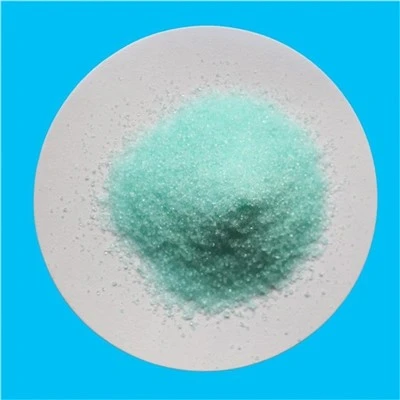
Ferrous Fumarate If you’re in the cosmetics industry and you’re looking for a high – quality phosphate supplier, I’d love to talk to you. I’ve got a great range of phosphates that can meet your specific needs. Whether you’re working on a new formulation or trying to improve an existing one, I can help you find the right phosphate for the job. Just reach out, and we can start discussing your requirements.
References
- Cosmetics Science and Technology, Third Edition by G. Barel, M. Paye, and H. Maibach
- Handbook of Cosmetic Science and Technology by Catrice A. Craver and Cynthia J. Lu
Jiangsu Kolod Food Ingredients Co., Ltd.
As one of the most professional phosphate manufacturers and suppliers in China, we’re featured by quality products and good price. Please rest assured to wholesale bulk phosphate made in China here and get free sample from our factory. Customized orders are welcome.
Address: South Side of Weier Road, Guanyun Development Zone, Lianyungang City, Jiangsu Province, China
E-mail: sales1399@jskolod.com
WebSite: https://www.kolod-group.com/
