Installing windbreak steel posts on uneven ground can be a challenging yet rewarding task. As a supplier of Windbreak Steel Posts, I’ve witnessed firsthand the importance of a well – installed windbreak in various settings, from agricultural fields to construction sites. In this blog, I’ll share some practical tips and techniques on how to successfully install windbreak steel posts on uneven terrain. Windbreak Steel Posts
Understanding the Challenges of Uneven Ground
Uneven ground presents several unique challenges when it comes to post installation. The most obvious one is achieving a level and stable base for each post. If the posts are not properly installed, they may lean, which can compromise the overall integrity of the windbreak. Additionally, the soil composition on uneven ground can vary significantly. In some areas, the soil may be loose and sandy, while in others, it could be rocky or clay – rich. These differences in soil type can affect how well the post is anchored and how much effort is required for installation.
Pre – installation Preparation
Before you start installing the windbreak steel posts, it’s crucial to conduct a thorough site assessment. Walk around the area and note the high and low points, as well as any large rocks or obstacles. Use a measuring tape and a level to get a better understanding of the elevation changes. This information will help you plan the layout of your windbreak.
Once you have assessed the site, mark the locations where you will install the posts. You can use stakes or spray paint to indicate these points. Make sure to space the posts according to the manufacturer’s recommendations. Generally, for a standard windbreak, posts are spaced between 6 to 10 feet apart, but this can vary depending on the height and type of the windbreak fabric or mesh you plan to use.
Choosing the Right Tools and Equipment
Having the right tools is essential for a successful post installation on uneven ground. You will need a post hole digger, which can be either manual or powered. For rocky or hard – packed soil, a powered post hole digger may be more efficient. A sledgehammer or a post driver is also necessary to set the posts in place. Additionally, you’ll need a level to ensure the posts are vertical, a tape measure for accurate spacing, and a shovel for any additional soil removal or backfilling.
Digging Post Holes on Uneven Ground
When digging post holes on uneven ground, the depth of each hole may need to be adjusted to account for the elevation changes. Start by digging the holes at the lowest points of the terrain first. The general rule of thumb is to dig the holes to a depth of at least one – third of the post’s above – ground height. For example, if your post is 6 feet tall, the hole should be at least 2 feet deep.
As you dig the holes at higher elevations, you may need to dig them deeper to ensure that the tops of all the posts are at a consistent height. Use the level to check the depth and make sure the bottom of each hole is level. If you encounter rocks or other obstacles while digging, you can use a pickaxe to break them up or remove them.
Setting the Posts
Once the holes are dug, it’s time to set the windbreak steel posts. Lower the post into the hole and use the level to make sure it is perfectly vertical. You can use a helper to hold the post in place while you check its alignment. If the post is leaning, adjust it by adding or removing soil from one side of the hole.
After the post is vertical, start backfilling the hole with the soil you removed earlier. Tamp the soil down firmly around the post as you go to ensure a stable base. You can use a post tamper or the end of a shovel to compact the soil. For added stability, you can also add a layer of gravel at the bottom of the hole before setting the post. This will help with drainage and prevent the post from sinking over time.
Dealing with Extreme Unevenness
In some cases, the ground may be extremely uneven, with large elevation differences. In such situations, you may need to use additional techniques to install the windbreak steel posts. One option is to use adjustable post bases. These bases can be adjusted to accommodate the uneven ground and provide a level surface for the post.
Another solution is to use concrete to anchor the posts. First, place the post in the hole and use the level to make it vertical. Then, mix the concrete according to the manufacturer’s instructions and pour it into the hole. Make sure the concrete completely surrounds the post and fills the hole. Allow the concrete to cure for the recommended time before proceeding with the rest of the installation.
Attaching the Windbreak Material
Once all the posts are installed and secure, it’s time to attach the windbreak material. This can be a fabric, mesh, or slats, depending on your specific needs. Start by unrolling the material along the line of the posts. Use zip ties, nails, or clips to attach the material to the posts at regular intervals. Make sure the material is taut and free of wrinkles.
As you attach the material, pay attention to the uneven ground. You may need to trim the material to fit the contours of the terrain. For example, if there is a large dip in the ground, you may need to cut the material shorter in that area to ensure a proper fit.
Maintenance and Monitoring
After the windbreak is installed, it’s important to perform regular maintenance and monitoring. Check the posts periodically to make sure they are still vertical and stable. Look for any signs of rust or damage to the steel posts. If you notice any issues, address them promptly to prevent further problems.
Inspect the windbreak material for any tears or holes. Repair or replace the material as needed to maintain its effectiveness. Additionally, keep the area around the windbreak free of debris and vegetation, as this can affect the windbreak’s performance.
Conclusion
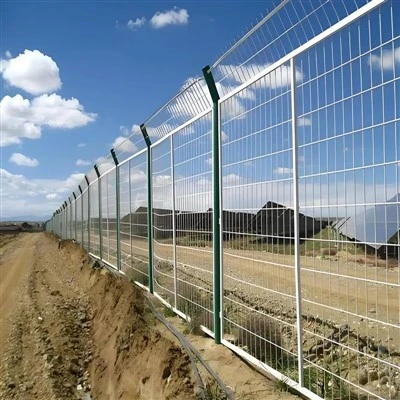
Installing windbreak steel posts on uneven ground requires careful planning, the right tools, and attention to detail. By following the steps outlined in this blog, you can ensure a successful installation that will provide effective wind protection for years to come.
Perforated Metal Mesh If you’re in the market for high – quality Windbreak Steel Posts, we’re here to help. Our team of experts can provide you with the right products and advice for your specific project. Whether you’re a farmer looking to protect your crops or a construction company in need of a temporary windbreak, we’ve got the solutions you need. To learn more about our products and discuss your procurement needs, feel free to reach out to us. We’re excited to work with you on your next windbreak project.
References
- Agricultural Windbreak Design Manual, various editions
- Industry standards for steel post manufacturing and installation
- Practical guides on post hole digging and post installation in challenging terrains
Anping County Chengrun Metal Products Co., Ltd.
With abundant experience, we are one of the most professional windbreak steel posts manufacturers and suppliers in China. Please feel free to buy premium windbreak steel posts for sale here from our factory. All customized metal products are with high quality and competitive price.
Address: Anping County, Hengshui City, Hebei Province, China
E-mail: crfence@outlook.com
WebSite: https://www.chengrunfence.com/
