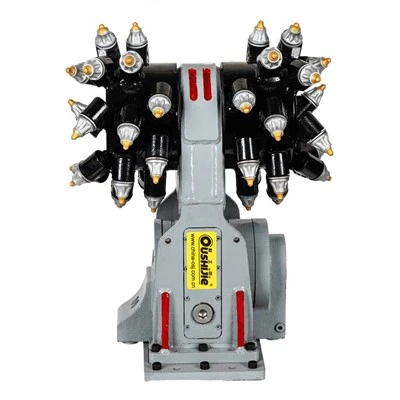
NHM hydraulic motors are renowned for their high – performance, reliability, and durability. As a trusted NHM hydraulic motor supplier, I understand the importance of proper maintenance to ensure these motors operate at their best and have a long service life. In this blog, I will share the essential maintenance procedures for NHM hydraulic motors. NHM Hydraulic Motor
Regular Inspection
Visual Inspection
The first step in maintaining NHM hydraulic motors is a thorough visual inspection. This should be done on a regular basis, depending on the motor’s usage frequency. For motors in high – usage environments, a weekly visual check may be necessary, while those in less – demanding applications can be inspected monthly.
- Exterior Condition: Begin by examining the motor’s exterior. Look for any signs of physical damage such as cracks, dents, or abrasions on the motor housing. These damages can compromise the motor’s integrity and lead to leaks or other issues down the line. Pay close attention to the mounting points as well. Loose or damaged mounting bolts can cause the motor to vibrate excessively during operation, which not only reduces efficiency but also increases wear and tear on internal components.
- Hose and Connection Inspection: Check the hydraulic hoses connected to the motor. Look for signs of wear, such as cracking, bulging, or fraying. These hoses are crucial for transporting hydraulic fluid to and from the motor, and any damage can result in fluid leaks. Inspect the hose fittings as well. Ensure they are tight and free of any signs of leakage, such as oil stains or drips. A minor leak can quickly escalate into a major problem if left unattended, leading to a loss of hydraulic pressure and reduced motor performance.
- Seal Examination: Inspect the motor’s seals. Seals prevent hydraulic fluid from leaking out and contaminants from entering the motor. Look for signs of seal deterioration, such as hardening, cracking, or leakage around the seal area. Worn seals can lead to fluid leakage, which not only wastes hydraulic fluid but can also cause the motor to overheat and fail prematurely.
Performance Inspection
In addition to the visual inspection, it is important to monitor the motor’s performance regularly.
- Speed and Torque: Use appropriate measuring tools to check the motor’s speed and torque output. Any significant deviation from the motor’s rated specifications could indicate a problem. For example, a decrease in speed may be due to hydraulic fluid leakage, a clogged filter, or internal component wear. Similarly, a reduction in torque may be caused by issues with the motor’s internal gears or pistons.
- Temperature Monitoring: Keep an eye on the motor’s operating temperature. Excessive heat can cause damage to the motor’s internal components and reduce its efficiency. Use a temperature sensor to measure the motor’s temperature at regular intervals. If the temperature exceeds the recommended range, it could be a sign of improper lubrication, excessive load, or a problem with the hydraulic system’s cooling mechanism.
Hydraulic Fluid Maintenance
Fluid Level Check
The hydraulic fluid level in the motor is a critical factor in its proper operation. Check the fluid level regularly, preferably before each use of the motor.
- Proper Measuring: Use the dipstick or sight glass provided on the hydraulic reservoir to measure the fluid level. Make sure the motor is in a level position when checking the fluid level for an accurate reading. If the fluid level is low, it could indicate a leak in the system. In such cases, it is important to first locate and repair the leak before adding new fluid.
- Adding Fluid: When adding hydraulic fluid, use only the type recommended by NHM. Using the wrong type of fluid can lead to poor performance, increased wear on components, and even damage to the motor. Follow the manufacturer’s instructions for the correct fluid grade and viscosity.
Fluid Quality Assessment
The quality of the hydraulic fluid is equally important as its level.
- Contamination Check: Over time, hydraulic fluid can become contaminated with dirt, debris, water, and other impurities. These contaminants can cause abrasion on the motor’s internal components and reduce its efficiency. Regularly analyze the hydraulic fluid for contaminants. You can use a sample kit to collect a small amount of fluid for laboratory analysis. Look for signs of dirt, rust particles, or water in the fluid. If the fluid is found to be contaminated, it should be replaced immediately.
- Fluid Aging: Hydraulic fluid also degrades over time due to oxidation and thermal stress. As the fluid ages, its viscosity and lubricating properties change, which can affect the motor’s performance. Monitor the fluid’s age and replace it according to the manufacturer’s recommended intervals. In general, hydraulic fluid should be replaced every 1 – 2 years, depending on the motor’s usage and operating conditions.
Filter Maintenance
Filter Inspection
Filters play a crucial role in protecting the NHM hydraulic motor from contaminants. Regularly inspect the filters to ensure they are functioning properly.
- External Appearance: Check the filter’s housing for any signs of damage, such as cracks or dents. A damaged filter housing may not be able to hold the filter element securely, allowing contaminants to bypass the filter and enter the motor.
- Filter Element Condition: Remove the filter element and visually inspect it for dirt and debris. If the filter element is clogged or appears dirty, it should be replaced. A clogged filter can restrict the flow of hydraulic fluid, leading to reduced motor performance and increased wear on components.
Filter Replacement
Replace the filters at regular intervals as recommended by the manufacturer. The replacement frequency depends on factors such as the motor’s usage, the operating environment, and the type of hydraulic fluid used.
- Proper Installation: When replacing the filter, make sure to install it correctly. Follow the manufacturer’s instructions for the proper installation procedure, including tightening the filter housing to the correct torque specification. Improper installation can lead to leaks and poor filtration performance.
Component Lubrication
Lubricant Selection
Proper lubrication is essential for the smooth operation of the NHM hydraulic motor. Use the lubricant recommended by NHM for the specific motor model.
- Viscosity and Additives: The lubricant’s viscosity should be suitable for the motor’s operating temperature and load conditions. Additionally, some lubricants contain additives that can enhance the motor’s performance, such as anti – wear additives and oxidation inhibitors. Make sure to choose a lubricant that meets the motor’s requirements.
Lubrication Procedure
Follow the manufacturer’s instructions for lubricating the motor’s components.
- Frequency: Lubricate the motor’s bearings, gears, and other moving parts at regular intervals. The lubrication frequency depends on the motor’s usage and operating conditions. For example, motors in high – speed or high – load applications may require more frequent lubrication than those in low – speed or low – load applications.
- Quantity: Use the correct quantity of lubricant. Over – lubrication can cause excessive heat and energy loss, while under – lubrication can lead to increased friction and wear on components.
Preventive Maintenance Schedule
Develop a preventive maintenance schedule based on the motor’s usage and the manufacturer’s recommendations.
Daily Checks
- Visual inspection of the motor’s exterior, hoses, and connections for any signs of damage or leakage.
- Check the hydraulic fluid level and add fluid if necessary.
Weekly Checks
- Conduct a more detailed visual inspection, including seal examination.
- Measure the motor’s speed and torque to ensure they are within the rated specifications.
Monthly Checks
- Analyze the hydraulic fluid for contaminants and check its aging condition.
- Inspect the filters and replace them if necessary.
Annual Checks
- Perform a comprehensive maintenance check, including disassembly and inspection of the motor’s internal components.
- Replace the hydraulic fluid and lubricants according to the manufacturer’s recommendations.
Conclusion
Proper maintenance of NHM hydraulic motors is essential for ensuring their reliable and efficient operation. By following the maintenance procedures outlined in this blog, you can extend the service life of your NHM hydraulic motors, reduce downtime, and save on repair costs.
Longitudinal Drum Cutter As a supplier of NHM hydraulic motors, I am committed to providing high – quality products and excellent after – sales service. If you have any questions about NHM hydraulic motor maintenance or are interested in purchasing our motors, please feel free to contact me. I look forward to the opportunity to discuss your needs and provide you with the best solutions.
References
- NHM Hydraulic Motor User Manual
- Hydraulic System Maintenance Handbook
Ningbo Oushijie Hydraulic Transmission Co., Ltd.
Ningbo Oushijie Hydraulic Transmission Co., Ltd. is one of the most professional nhm hydraulic motor manufacturers and suppliers in China, also supports customized service. With abundant experience, we warmly welcome you to wholesale durable nhm hydraulic motor at competitive price from our factory.
Address: Changshi Sanxing Industrial Zone, Jiulong Lake Town, Zhenhai District, Ningbo,Zhejiang, China
E-mail: yong@nbosj.com
WebSite: https://www.nbosj.com/
