Hey everyone, I’m Jake from a construction machinery supply company, and let’s be real – picking the right engine for your heavy gear isn’t something you can just wing. I’ve seen way too many guys drop big cash on a machine that worked for their buddy’s crew but tanked on their jobsite, and it all boils down to the engine. Today, I’m breaking down exactly how to pick the right engine so you don’t end up stranded mid-project with a machine that can’t keep up. No boring textbook jargon, just real talk from someone who’s been in the trenches with this stuff. Construction Machinery
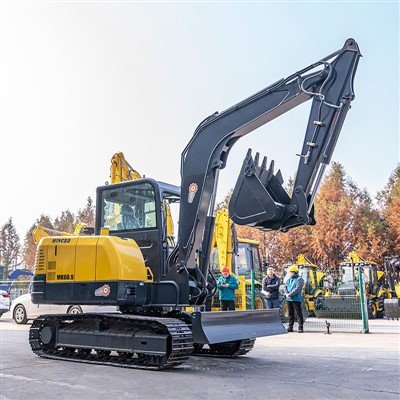
First off, let’s cut through the noise: the jobsite is your main stage here. What you’re building, where you’re building it, and how hard you’re working that machine day in and day out – that’s what dictates everything. I had a customer last month who grabbed a standard diesel engine for a demolition job in downtown Houston, turns out the tight alleyways meant the engine was choking on exhaust fumes, and it kept throwing codes because the load was all stop-start from moving debris around tight corners. He swapped it for a high-torque, low-idling engine with better exhaust filtration, and suddenly he was back to crushing jobs two days faster. That’s not a “nice to have” – that’s job survival.
Let’s break down the jobsite factors first, because this is non-negotiable. If you’re working on a remote road build in Wyoming, where there’s no access to regular maintenance or parts? You don’t need a fancy high-revving engine that needs oil changes every 50 hours. You need a rugged, heavy-duty engine that can sit idle in -20°F weather for weeks, only to fire right up when you need it. On the flip side, if you’re working in a urban high-rise where space is tight and emissions rules are strict (shoutout to California’s CARB regulations)? You can’t get away with an old-school engine that belches black smoke. You need one with advanced after-treatment systems that meet those tight standards without losing power.
Next, power and torque – people mix these up all the time, and it drives me nuts. Power is the top speed the engine can reach, but torque is what actually moves 20 tons of concrete or pushes a bucket full of dirt up a hill. If you’re using an excavator for digging and lifting, torque is your ride-or-die. I once had a guy come in bragging about a machine with 500 horsepower, but it couldn’t lift a 10-ton slab because it had low torque. He swapped it for an engine with 400 hp but way higher low-end torque, and that machine worked like a charm for his slab-laying gigs. Don’t get fooled by horsepower numbers alone – torque is where the rubber meets the road for heavy construction work.
Then there’s fuel efficiency – this is a big one for keeping profits up. Construction projects have tight budgets, and fuel costs can eat 20-30% of your operational costs if you’re not careful. A lot of newer engines use common rail fuel injection technology, which delivers fuel in super precise bursts, so you’re not wasting fuel on extra burns. Last year, we had a fleet of dump trucks with old engines that were getting 3 miles per gallon, and we swapped them for newer efficient ones that got 4.5 mpg. Over a year, that saved our customer $120k in fuel costs – no joke. Also, think about idle time: most construction equipment idles 30-50% of the time it’s on site. An engine with auto-idle reduction that slows down when not under load can cut fuel waste even more. That’s not a small saving – that’s money you can put toward another job or new tools.
Emissions standards are another make-or-break factor, especially if you’re working in regulated areas. CARB in California, EU Stage V in Europe, EPA Tier 4 Final in the US – these rules aren’t suggestions, they’re fines waiting to happen if you get caught with an engine that doesn’t meet them. A lot of guys try to cut corners by using an older engine that doesn’t meet standards, but if you’re working on a city project, you’ll get shut down before you even unload the machine. The good news is modern engines meet these standards without losing power or fuel efficiency – it’s not the old days where you had to choose between being compliant and getting the job done.
Maintenance is something everyone overlooks until it’s too late. How easy is it to get parts for that engine? Can your local mechanic fix it, or do you have to fly in a specialist from across the country? How often do you need to change oil, filters, or other parts? I always recommend engines that have a wide, local parts network. For example, if you’re working in Florida, an engine with parts available at every AutoZone or local heavy equipment shop is way better than a niche brand that only ships parts from their factory in Germany. Also, look for engines with longer service intervals – some modern engines have oil change intervals of 500 hours instead of 250, which cuts down on downtime and maintenance costs. I had a customer in Orlando who was spending $800 a month on maintenance for his old engine, and after switching to a newer model with longer intervals, that dropped to $350. That’s extra cash in his pocket every month.
Now, let’s talk about sizing – don’t overbuy, don’t underbuy. I see this all the time: a guy gets an engine that’s way too big for his machine, and it’s burning way more fuel than it needs to. Or he gets one too small, and it’s straining every day, leading to breakdowns. It’s like trying to fit a square peg in a round hole. To get the right size, calculate the maximum load your machine will carry, the altitude you’re working at (engines lose power at high altitude, so you need a bigger one), and the temperature extremes (hot weather makes engines work harder, so again, size up a little if you’re working in the desert). Last summer, a construction crew in Arizona called me panicking because their under-sized engine kept overheating on a pipeline project. We swapped it for a slightly bigger model with better cooling, and it ran flawlessly for the rest of the project. No more shutdowns, no more lost time.
Also, let’s not forget about the type of work. Are you using the machine for demolition, excavation, road building, or material handling? Each of these needs a different engine. Demolition needs an engine that can handle heavy, constant loads with high torque. Excavation needs one with good low-end torque for digging, plus enough power to lift heavy loads. Road building needs engines that are fuel efficient for long hours, steady loads, and meet emissions for urban work. Material handling (like forklifts or reach stackers) needs engines that are responsive for quick movements, not just heavy power. I had a guy use an excavation engine for a demolition job, and it kept stalling because it wasn’t built for the constant, abrupt loads of pulling down walls. Swapped to a demolition-specific engine, and he was good to go.
Wait, let’s touch on reliability too – this is non-negotiable. A machine that breaks down mid-job costs you more than the price of a new engine: it’s lost time, delayed project deadlines, penalty fees from clients, and extra costs to tow the machine to a shop. I always recommend engines from reputable brands that have a track record in construction, not some no-name brand that’s cheap but breaks down every week. We had a customer a few years ago who saved $5k on a cheap engine, but it broke down three times in one month, costing him $20k in lost revenue. That’s a net loss of $15k – not worth it. Look for engines with good warranty coverage too – a 2-year full warranty is way better than a 1-year limited one, because it shows the manufacturer stands behind their product.
Let’s wrap this up with a quick checklist so you don’t forget anything:
- Nail down your jobsite conditions: altitude, temperature, space, emissions rules.
- Pick torque over horsepower for heavy lifting/moving – don’t get fooled by big hp numbers.
- Calculate fuel efficiency: look for common rail injection, idle reduction systems.
- Check emissions standards for your area – don’t get shut down by regulators.
- Prioritize easy maintenance and local parts access – downtime costs money.
- Size the engine right for your machine and max load – don’t over or underbuy.
- Match the engine type to your specific work (demolition, excavation, road build, etc.).
- Go with reputable brands and good warranties – reliability beats a cheap price tag every time.
If you’re still stuck on picking the right engine for your construction machine, hit me up. I’ve been doing this for years, I’ve seen every type of jobsite and every engine problem, and I can help you narrow down what works for your specific needs. No pressure, just real advice from someone who gets how tough construction jobs are, and how important it is to have gear that doesn’t let you down. Whether you’re working on a small residential build or a big commercial project, picking the right engine is the foundation of getting the job done on time and on budget.
Don’t wait until you’re stuck with a machine that’s not cutting it – reach out today to chat through your needs, and let’s make sure you have an engine that works as hard as you do.
Concrete Mixer Truck References:
- Construction Equipment Association. "Engine Selection Guidelines for Heavy Construction Machinery." 2022.
- U.S. Environmental Protection Agency. "Tier 4 Final Emissions Standards for Nonroad Engines." 2021.
- International Society of Automation. "Power and Torque Considerations for Mobile Heavy Equipment." 2023.
- Heavy Duty Trucking Magazine. "Fuel Efficiency Trends in Construction Engines." 2022.
- European Machinery Manufacturers Association. "Maintenance Best Practices for Construction Equipment Engines." 2023.
Jining Dafu Machinery Sales Co., Ltd.
As one of the most professional construction machinery suppliers in China, we’re featured by quality products and low price. Please rest assured to wholesale bulk cheap construction machinery from our factory. We also accept customized orders.
Address: Room 1-115, Building 7, Luxinan Auto Parts City, Qiantongdian Village, Quanpu Town, Liangshan County, Jining City, Shandong Province
E-mail: jiningdafu@163.com
WebSite: https://www.dafumachinery.com/
