Alright, let’s get real for a sec – when I started out as a school lockers supplier, I figured my biggest job was selling durable, cheap lockers that could survive 1,000 teen slams a year. Turned out, no one talks enough about the safety stuff that actually comes with these metal boxes kids haul their textbooks and candy bars around in. I’ve been in this game for 12 years now, worked with hundreds of elementary, middle, and high schools across the Midwest, and I’ve seen just about every locker-related headache (and straight-up scare) you can imagine. Let’s cut the corporate jargon and chat about what’s actually going on here – because it’s not all “lockers are totally safe” or “they’re death traps.” School Lockers
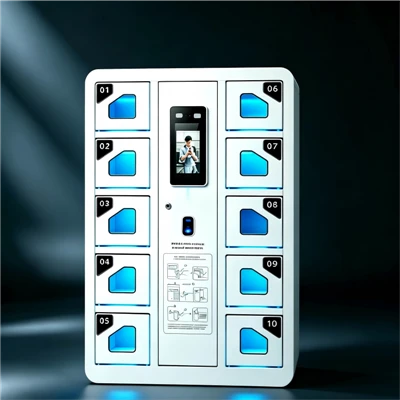
First off, let’s get the boring stats out of the way, but only the ones I’ve actually seen schools panic over. Last year, I sat in on a risk management meeting for a public high school in Chicago, and their admin had a list of 17 locker-related incidents from the prior school year. Most were small – a kid getting their finger pinched when the latch slammed, a backpack strap caught in the hinge, that sort of thing. But two were worse: a 14-year-old who banged his head so hard on a protruding locker edge when he was shoving a football in his space that he needed 3 stitches, and a 7th grader whose fingers got crushed between a locker door and the frame when a friend slammed it “as a joke.” These aren’t rare, but they’re also not the stuff of movie horror flicks. The problem is, most schools don’t know their locker usage stats – they just shrug and file it under “kid stuff.”
Wait, let’s talk about the big one everyone whispers about but no one wants to name: weapons, contraband, and mental health red flags. I supply lockers to schools that require student locker checks weekly, and others that let kids sign a waiver to keep their locker private (that’s a common rule now, thanks to privacy laws like FERPA). Here’s the thing: those unmonitored lockers are like a hidden storage closet for anything from vape pens and prescription meds a kid is self-medicating with to things way scarier. Last spring, a middle school I work with had a kid stash a pocketknife in his locker – he’d brought it to school to scare someone who was bullying his little sister, and no one found it for 2 weeks. When that happens, it’s not just a locker flaw – it’s a school’s missing safety protocol. But here’s the catch: even with weekly checks, if a kid hides something in their backpack and shoves it in a neighbor’s locker during class, it’s a whole other problem. I’ve had to swap out lockers for a school that had a mold issue, too – a group of 8th graders left half-eaten granola bars and soda in their lockers over Christmas break, and by January, the locker smelled so bad the whole hallway reeked. No wonder kids were getting sinus infections; that’s a safety concern too, right? Indoor air quality counts.
Now, let’s get into the stuff I actually fix every day as a supplier: the physical design flaws that make lockers more dangerous than they need to be. Old lockers – think the ones from the 1970s that some schools still refuse to replace – have sharp, burr-edged doors. You run your hand along the edge and you’ll catch a nail or a splinter of metal. My team modified a set of those for a small elementary school last year, grinding down all the sharp corners and adding soft plastic bumpers to the door edges – cost them like $200 total, and they haven’t had a single cut incident since. Then there’s the latch system. The old spring-loaded latches that slam shut on their own? If a kid is holding a stack of textbooks and doesn’t see it coming, that latch can snap their finger or thumb. I switched all my supply lockers to a “soft-close” latch last year – it doesn’t slam shut all at once, it eases down. Schools that made the switch said they cut small finger pinch incidents by 70% in the first semester. Win, right?
Wait, let’s not sleep on the structural stuff. Overloaded lockers. I’ve seen kids stuff so many hoodies, gym bags, and art projects into their locker that the whole unit tilts forward a little. If a kid leans in to grab something when it’s tilted, the entire locker can fall on them. That’s not a hypothetical – two years ago, a high school in Detroit had a 16-year-old who got pinned under a 50-pound locker that fell when he leaned too far in. He broke his arm, and the school had to pull every overloaded locker across campus to reinforce the mounts. I now include a free locker mount inspection with every big order I do, because half the time schools don’t even check if their lockers are screwed into the wall studs, not just drywall. Drywall can’t hold that weight, people – it’s like hanging a refrigerator from a sheet of notebook paper.
But here’s the part I wish more people got: most “locker safety concerns” aren’t the fault of the lockers themselves. They’re the fault of how schools use them. Let’s talk about overcrowding. I supply lockers for a high school that has 1,200 kids for 1,000 lockers. So every day, 200 kids have to share a locker, or leave their stuff in their classroom, or haul a full backpack around all day. Those overcrowded hallways? Kids are running, shoving, slamming lockers to get in and out fast. That’s when accidents happen – not because the lockers are bad, but because there’s not enough space. Another example: some schools don’t assign lockers at all. A kid might get a random locker every day, so they don’t know where the light is, or how far the door swings, and bang their head. I’ve pushed schools to go to assigned lockers for every student, and it cuts those accidental head bumps by a ton.
Also, let’s chat about accessibility for kids with disabilities. I know this isn’t the first thing people think about when they hear “locker safety,” but it’s huge. I worked with a elementary school in Ohio that had a 8-year-old in a wheelchair who couldn’t reach the top half of his locker – he had to ask a friend every day to get his lunchbox, and once a friend forgot, he had to leave his lunch on the ground and scavenge for a granola bar in the nurse’s office. The original lockers were mounted at the standard 40-inch height, which works for most kids, but not for kids in wheelchairs, or kids with dwarfism, or even taller middle schoolers who have to hunch way down. I started offering adjustable-height locker units a few years back, and now half my orders include at least a set for special education classrooms. That’s not just safety – that’s basic dignity.
Wait, let’s get real about the myths, too. Some people swear that lockers are a big fire hazard. Is that true? Maybe, if they’re crammed full of paper, textbooks, and plastic bags, and there’s a faulty wiring source nearby. But most school fires start in classrooms or lunchrooms, not hallways with lockers. The National Fire Protection Association did a study a few years back that said locker-related fire incidents are less than 1% of all school fires. So yeah, don’t ignore that, but don’t panic and remove all lockers over it. Another myth: lockers spread germs. Well, they can if they’re not cleaned. But I supply a set of easy-to-wipe-down plastic-backed lockers for schools that want to deep-clean them every weekend, and those schools had way less flu and cold outbreaks last year than the ones with the old metal lockers that trap gunk in the corners. It’s all about maintenance, not the lockers themselves.
So what does this all mean if you’re a school administrator, a teacher, or even a parent wondering if lockers are worth the hassle? Let’s break it down: yes, there are safety concerns, but most of them are fixable, not unavoidable. The old lockers in your basement that you’ve been storing since high school? Maybe don’t install those for your new elementary school. The latches that slam shut like a car door? Replace those. The sharp edges? Grind ’em down. The overcrowded hallways because you didn’t budget for enough lockers? Figure out a way to assign them so kids aren’t running around like maniacs.
As for me, I don’t pretend my lockers are perfect. They get banged up, they get stuck, they get the occasional half-eaten sandwich left inside. But I do know that when schools invest in the right design, install them correctly, and have basic rules (no overloading, no slamming doors as jokes, weekly locker checks if needed), lockers are still way better than the alternative – kids hauling 20 pounds of textbooks around in backpacks all day, which causes back problems, posture issues, and way more trips to the nurse’s office than locker accidents do.
If you’re a school looking to upgrade your lockers, or you’re dealing with any of the stuff I talked about here – sharp edges, frequent finger pinches, overloaded lockers, accessibility issues – I can help. We do free site inspections, we can modify old lockers to be safer instead of making you buy new ones if that’s in your budget, and we’ve got options for every grade level and size. Drop us a line to chat through what you need, no pressure, no sales pitch.
Tool Cabinet References:
- National Center for Education Statistics. (2022). School Safety Discipline and Incidents. U.S. Department of Education.
- Consumer Product Safety Commission. (2021). Locker-Related Injuries Among School-Aged Children. CPSC Injury and Health Statistics Program.
- National Fire Protection Association. (2020). School Fire Incident Trends and Causes. NFPA Fire Analysis and Research Division.
- U.S. Access Board. (2019). Accessible School Facilities Standards: Locker Design Requirements.
Hangzhou Dongjie Intelligent Technology Co., Ltd.
Hangzhou Dongjie Intelligent Technology Co., Ltd. is one of the most experienced school lockers manufacturers and suppliers in China, also supports customized service. Please feel free to wholesale durable school lockers made in China here from our factory. For quotation, contact us now.
Address: 1st Floor, Building 2, No. 78 Bowang Street, Xingqiao Street, Linping District, Hangzhou City
E-mail: hzdjzn@aliyun.com
WebSite: https://www.cndongjiesmart.com/
