If you’ve ever worked in industrial processing—whether it’s oil and gas, chemical manufacturing, or power generation—you know skid mounted equipment is a game-changer. These pre-assembled, self-contained units cut down on on-site construction time, reduce safety risks during setup, and let teams deploy critical machinery far faster than building from scratch. But as a supplier who’s spent the last 12 years engineering, testing, and delivering skid systems across North America, I can’t count how many times a client has walked into our shop, pointed at a bare pump or heat exchanger on a skid frame, and asked, “Do I really need to spend extra on insulation? It’s just a box of metal.” Skid Mounted

Let me be clear: yes, you do. Skid mounted equipment’s insulation isn’t just a “nice-to-have”—it’s a non-negotiable engineering requirement that directly impacts performance, safety, operational costs, and even the lifespan of the machinery. Over the years, I’ve seen insulation done right (it extended a refinery’s skid system life by 18% and cut their energy bills by $120k annually) and insulation done wrong (it caused a 2021 chemical plant shutdown when uninsulated pipes lost pressure and froze solid in a Minnesota winter). This post is everything I’ve learned from those mistakes and wins, broken down into the non-negotiable insulation requirements we adhere to for every skid we build.
First: Understand What Skid Mounted Equipment Insulation Actually Does
Before diving into requirements, let’s ground this in what insulation does for a skid-mounted unit specifically—because its needs are different from fixed, site-built equipment. Skids are mobile (or semi-mobile), meaning insulation has to withstand transport vibrations, repeated lifting, and occasional weather exposure during temporary deployments. They’re also often compact, with pipes, valves, and controls packed tightly together, so insulation can’t add unnecessary bulk or block access for maintenance.
Here’s the core purpose of insulation for skid equipment: it controls heat transfer, which serves three critical functions for end users. First, process efficiency: for heated equipment (like skid-mounted boilers or steam condensers), insulation keeps heat inside so you don’t waste energy reheating. For cold units (like glycol chillers or natural gas dehydrators), it prevents external heat from seeping in, which would cause condensation or product loss. Second, safety: uninsulated pipes or vessels can reach temperatures above 140°F (60°C) or below freezing, posing burn risks to workers or freeze risks for sensitive fluids. Third, equipment protection: extreme temperature swings (from transport to site operation) cause metal expansion and contraction, which can fatigue welds or damage seals if not controlled.
The 4 Core Insulation Requirements for Skid Mounted Equipment
Over time, we’ve distilled our requirements into four non-negotiable categories, based on industry standards like API 550 (for refinery skids), ASME PCC-1 (for pressure boundary integrity), and NACE International’s corrosion prevention guidelines, plus hands-on testing in our own 10,000-square-foot climate-controlled test lab.
1. Material Selection: Performance Meets Skid-Specific Durability
Not all insulation is created equal, and picking the wrong material will lead to failure—fast. For our skids, we only use materials that meet three criteria: thermal performance, mechanical resilience, and compatibility with the equipment’s contents.
Thermal performance is the foundation. For hot skid components (operating above 250°F / 121°C), we use closed-cell fiberglass or mineral wool with a minimum R-value of 4 per inch. Wait, R-value is important here because it measures thermal resistance—higher R means less heat loss. For cold skids (operating below 32°F / 0°C), we use extruded polystyrene (XPS) or polyisocyanurate (polyiso) with a minimum R-value of 5 per inch, and we add a vapor barrier to prevent moisture buildup. For ambient-temperature skids (like water treatment units), we use flexible foam insulation with R-value 3 per inch, since their main job is condensation control, not heat retention.
But here’s the skid-specific twist: transport and installation durability. Skids get jostled on flatbed trucks, lifted with cranes, and sometimes stored outdoors for weeks before commissioning. So we never use loose-fill insulation—it shifts, gets compacted, and leaves gaps. We also avoid fragile materials like foam board that crumbles when handled. Instead, we use pre-formed, jacketed insulation: these are custom-cut to fit every pipe, valve, and vessel on the skid, so they slide on like a sleeve and are secured with stainless steel bands. The outer jacket is either aluminum (for indoor skids, where aesthetics and resistance to minor abrasion matter) or galvanized steel (for outdoor skids, which face rain, UV rays, and accidental scrapes).
I learned this the hard way in 2018, when a client brought in a used skid we’d delivered two years prior. Their team had tried to cut costs with loose mineral wool insulation for a cold chiller skid. During transport, the wool shifted away from the 3-inch pipe, creating a gap that let in warm air. The chiller had to work 40% harder to keep temperatures low, and they ended up replacing the insulation six months early. Now, we refuse to cut corners on pre-formed jacketed insulation—even if a client tries to push for cheaper alternatives.
2. Gap-Free Installation for Compact Skid Designs
Skid mounted equipment is all about space efficiency. Valves, pressure gauges, and control panels are often mounted inches apart, which leaves no room for insulation gaps—or so you’d think. But every gap larger than 1/8 inch in insulation acts like a tunnel for heat or moisture, and even tiny gaps add up to massive energy loss over time.
For every skid we build, we map out a “insulation layout” during the engineering phase, not as an afterthought. For pipe fittings (elbows, tees, flanges), we use custom-molded insulation pieces instead of cutting standard boards to fit. For valve bodies, we use removable insulation jackets (called “valve covers”) that snap into place, so workers can service valves without tearing out insulation. And for the skid’s base (the steel frame that sits on the ground), we install rigid insulation pads between the frame and any piping that runs along the bottom—this prevents heat loss from pipes that are sitting directly on cold concrete, a mistake I’ve seen cause a 10% energy loss in a solar thermal skid in Arizona.
Another key point: vapor seals. For cold skids, any gap in the vapor barrier is a disaster. Moisture from the air seeps through, condenses inside the insulation, and freezes during cold snaps. Over time, that ice expands, breaks down the insulation, and can corrode metal pipes from the inside. On our skids, we use butyl rubber tape to seal every seam of the vapor barrier, and we test the seal with a pressure decay test before the skid leaves our shop. In 2020, a client in Canada skipped this test and ended up with 50 linear feet of pipes frozen solid after a 2-day cold snap—costing them $80k in downtime. That’s a risk we won’t let our clients take, so we do the test every single time.
3. Compliance with Safety Standards for Industrial Skids
Insulation isn’t just about efficiency—it’s about worker safety, and there are strict standards that dictate what’s acceptable for industrial skid equipment. The two biggest ones we follow are OSHA’s 29 CFR 1910.133 (for heat hazards) and API RP 521 (for pressure relief system safety).
OSHA requires that any surface on a skid that reaches 140°F (60°C) or higher must be insulated to prevent accidental burns. For hot oil skids, which can reach 350°F (177°C), we use insulation that keeps the outer jacket temperature below 120°F (49°C) when tested at 70°F (21°C) ambient. For cold skids, we make sure surfaces don’t drop below 33°F (0.5°C) to prevent ice formation on walkways or equipment.
API RP 521 adds a layer for pressure-sensitive equipment: insulation can’t block access to pressure relief valves or vent lines. That means when we design insulation, we leave a 6-inch clearance around every valve and vent, with removable jacket covers so workers can adjust valves or check gauges without removing insulation. We also mark all insulation jackets with clear, durable labels that say “VALVE COVER” or “PRESSURE GAUGE ACCESS” to prevent confusion during maintenance.
I remember a 2019 project with a midstream energy client. Their old skid had uninsulated pipe flanges that hit 220°F, and two workers had minor burns while tightening fittings. We retrofitted the new skid with custom insulation that met OSHA standards, and we added a safety rail around the hot pipe zone. That skid has been running for four years with zero safety incidents from heat exposure—proof that complying with these standards isn’t just paperwork.
4. Long-Term Durability for On-Site and Transport Conditions
Skid equipment is built to move, but that movement puts stress on insulation. When a skid is transported, it can vibrate up to 1.5 G-forces, which is enough to shake loose insulation bands or shift unbonded insulation. That’s why our insulation installation includes two key durability measures: stainless steel banding every 12 inches along pipe insulation, and a UV-resistant outer jacket for all outdoor skids.
For skids that will be stored outdoors for more than 30 days before deployment, we add an extra layer of protective coating over the insulation jacket. This coating is designed to resist salt spray (for coastal sites), chemical spills (for refineries), and UV radiation (for desert sites). We once delivered a skid to a client in Texas that was stored for six months in a dusty, high-UV area—without the extra coating, the jacket would have faded and cracked, letting moisture get in. The coating we use held up perfectly, and when the skid was commissioned, insulation performance was still 98% of its initial R-value.
Another point: compatibility with cleaning. Industrial skids often need to be steam-cleaned or pressure-washed during maintenance. Our insulation jackets are rated for high-pressure water (up to 1,500 PSI) and steam temperatures up to 250°F, so they don’t degrade during cleaning. We’ve had clients tell us their previous skids had insulation that would warp or lose R-value after a single wash—our products hold up to multiple cleanings, which saves them time and money on frequent insulation replacements.
Common Mistakes We See Clients Make (And How We Fix Them)
After 12 years in this business, I’ve heard every excuse for skimping on insulation. The most common mistakes? Trying to use “off-the-shelf” insulation instead of custom-cut, skipping vapor seals on cold skids, and not accounting for transport stress.
Last year, a client in the Midwest tried to save $7,000 by having a local contractor install insulation on their new process skid. They used standard foam board insulation and didn’t add a vapor barrier. When the skid arrived on-site in January, the cold pipe caused condensation to freeze inside the insulation, and by the time we did a pre-commission check, 10 linear feet of pipe had corroded from the inside. We had to replace the insulation, fix the pipe, and adjust the skid’s design—costing the client $22,000, three times the amount they tried to save.
That’s why, as a supplier, we don’t just build skids and hand them over. We work with clients during the planning phase to map out insulation needs, test materials in our lab for their specific operating conditions, and provide a 5-year warranty on insulation performance. We also offer post-installation support, including annual insulation audits to check for gaps or damage.
Final Thoughts: Insulation is an Investment, Not a Cost
When a client asks me, “What’s the real cost of good insulation?” I tell them to look at the long-term numbers. A properly insulated skid uses 15-30% less energy than an uninsulated one, which adds up to tens of thousands of dollars in annual savings. It reduces safety incidents, extends equipment lifespan by 10-15%, and cuts downtime from insulation-related failures by 90%.
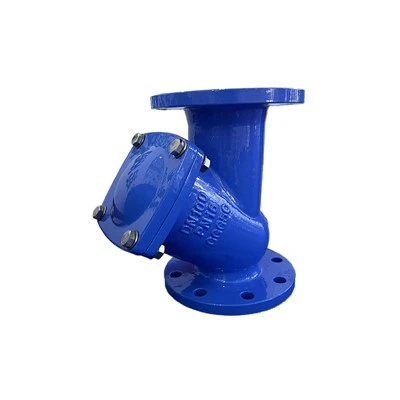
For skid mounted equipment, insulation isn’t just a layer of material—it’s the backbone of performance, safety, and reliability. At our company, we don’t cut corners on insulation, and we never will. If you’re planning a new skid mounted system, or retrofitting an existing one, don’t leave insulation as an afterthought. Reach out to our team to discuss your specific needs—we’ll work with you to design an insulation solution that meets all industry standards, fits your skid’s compact design, and delivers long-term value for your operations.
References
Valves API 550, Manual on Installation of Refinery Piping Systems
ASME PCC-1, Guidelines for Pressure Boundary Bolted Flange Joint Assembly
NACE SP0169, Control of External Corrosion on Underground or Submerged Metallic Piping Systems
OSHA 29 CFR 1910.133, Eye and Face Protection
Yancheng Suhao Valve Industry Co., Ltd.
We are one of the most experienced skid mounted manufacturers and suppliers in China, specialized in providing high quality customized service. Please feel free to wholesale durable skid mounted in stock here from our factory. Also, quotation is available.
Address: No. 33, Huashan Road, Economic Development Zone, Funing County, Jiangsu Province
E-mail: Support@suhao.net
WebSite: https://www.suhaoind.com/
