As a dance flooring supplier who’s spent the last 12 years on the front lines of working with studios, performance spaces, and even professional dance companies, I’ve lost count of how many times I’ve gotten a panicked call about a floor-related injury. A dancer’s slip during a pas de bourrée, a tap routine gone wrong, a contemporary piece that should feel weightless but instead feels like a battle to stay upright—nine times out of 10, the root cause isn’t a dancer’s skill, it’s a floor that doesn’t meet the right slip-resistance standards. Dance Flooring
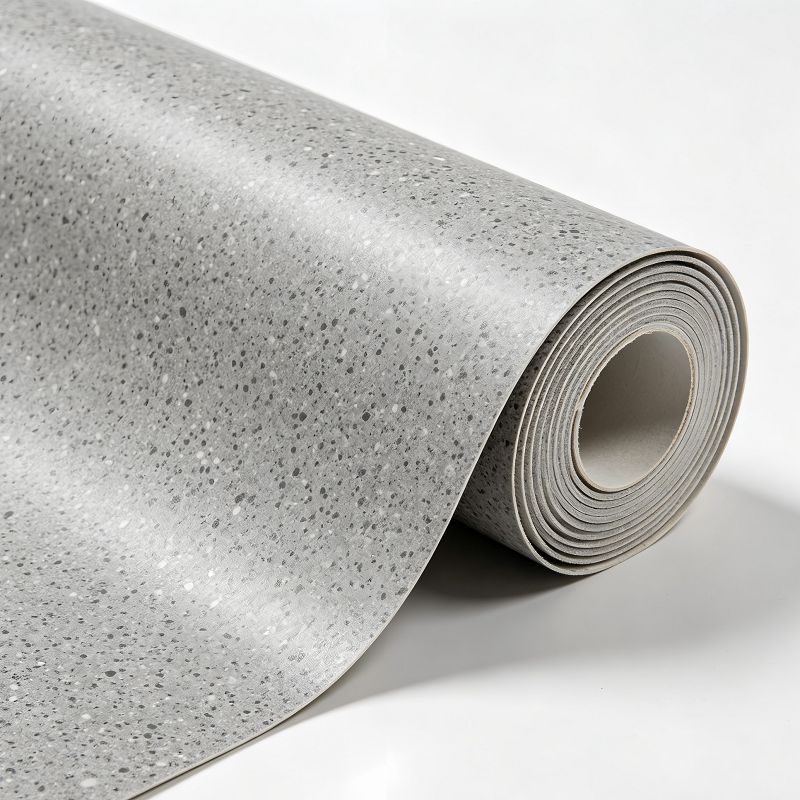
I’ll be honest for a second: most people outside the dance world don’t realize dance flooring isn’t just “pretty wood or soft vinyl.” It’s a high-performance surface engineered for a unique set of demands—turns, leaps, slides, weight shifts that range from a pointe shoe’s pinpoint pressure to a tap shoe’s sharp strike. The slip-resistance of that floor is the line between a clean arabesque and a trip to physical therapy, between a dancer nailing their signature move and feeling unsteady enough to avoid rehearsals. So let’s break down what those standards actually are, why they matter, and how to make sure you’re picking a floor that checks every box.
First, let’s talk about the term everyone throws around: coefficient of friction (CoF). That’s the core measurement for slip resistance, plain and simple. CoF is a number that describes how much two surfaces resist sliding against each other; the higher the number, the more grip (or less slip) you have. But here’s the thing that trips even studios up: not all CoF numbers are created equal. Dance surfaces are tested with specific footware and movement types in mind, which is way different from testing a kitchen floor or a gym mat.
For dance, there are two key standards that get referenced globally, each tailored to different disciplines and settings. Let’s start with the most widely recognized: the International Organization for Standardization’s ISO 17075. This is the gold standard for portable dance floors, the kind that studios, touring companies, and local theater groups rent or install on a performance stage. ISO 17075 breaks CoF requirements into three categories based on the type of dance being done, which makes sense—you wouldn’t use the same slip resistance for ballet as you would for tap.
Category 1 is for ballet, contemporary, and modern dance. These styles rely on controlled turns (pirouettes) and slides, so they need a CoF that’s not too high (you don’t want to stick to the floor mid-turn) and not too low (you don’t slip mid-leap). ISO sets this at a dynamic CoF of 0.45 to 0.60. Dynamic CoF is important here because it measures the force when a surface is already moving—way more relevant for a dancer in motion than static CoF, which is just pressure when no movement is happening. I remember a client who installed a budget vinyl floor with a static CoF of 0.65; their ballet dancers were slipping left and right during turns, because the dynamic CoF was only 0.38. That’s the kind of mistake that happens when you ignore dynamic testing.
Category 2 from ISO 17075 is for tap, jazz, and Broadway-style dance. These styles rely on sharp, percussive footwork that hits the floor hard, so they need a bit more grip to prevent sliding when a dancer stomps. The standard here is a dynamic CoF of 0.55 to 0.70. A few years back, a regional theater came to me upset because their tap floor kept shifting mid-routine—turns out they’d gone with a Category 1 floor and didn’t adjust for the tap’s foot strike. We swapped it for our Category 2 ISO-compliant surface, and they haven’t had a single complaint since.
Category 3 is for folk and traditional dance, which often involves fast, energetic footwork that requires even more traction. ISO sets that dynamic CoF at 0.60 to 0.75. That makes sense—think Irish step dance, where every step is a controlled strike, or square dancing, where groups move in sync with lots of quick shifts.
But ISO isn’t the only standard out there, especially in North America. The Resilient Floor Covering Institute (RFCI) has a standard specifically for dance floors too, RFCI 159-20, which is often used for permanent installed floors in studios that don’t want to deal with renting portable surfaces. The RFCI’s standard is similar to ISO, but with a slight twist: they also test for static load (how much weight a dancer can put on a single point, like a pointe shoe) and wear resistance, which is crucial for high-traffic studios. One of our biggest clients is a community studio with 15+ classes a day, and their RFCI-compliant floor has held up for 7 years with no significant wear or slip issues—something budget floors can’t do.
Wait, but here’s a common question I get: can you just test a floor yourself with a cheap CoF meter? Short answer: no, not really. Most home CoF meters are designed for flat, static surfaces like tile or wood, not the textured, porous surfaces that make up good dance flooring. Dance floors have a subtle texture that’s designed to catch shoe soles, but not so much that it interferes with movement—something a basic meter can’t pick up accurately. Also, testing at home usually uses generic foot simulacra, not actual dance shoe soles, which have unique textures and grip patterns. I once had a customer who sent me a video of a “slippery floor” they’d bought online; when I tested it with our professional CoF meter using real pointe shoes, the dynamic CoF was 0.39, way below ISO 17075’s minimum for ballet. The budget floor they’d ordered was made for general gym use, not dance— that’s the kind of misstep that costs studios money and dancers’ confidence.
Another thing people don’t talk about is how environment affects slip resistance. A dance floor in a hot, humid studio (think New York City in summer, or a theater without AC) will have higher humidity, which can make vinyl surfaces softer and reduce grip. A floor in a dry, climate-controlled space might get dust buildup over time, which also lowers CoF. That’s why good dance flooring suppliers don’t just sell a one-size-fits-all surface—we adjust recommendations based on a studio’s location, ventilation, and even how often classes run. For example, a studio in Miami needs a floor with a slightly higher base CoF to account for humidity, so we’ll suggest a top layer with a micro-texture that stands up to moisture. A studio in Denver, where the air is dry, might be fine with a slightly lower CoF, as long as we recommend regular cleaning routines to prevent dust buildup.
I also want to address a misconception: a “non-slip” floor isn’t the same as a “dance-friendly” floor. Too many studios opt for super grip-heavy surfaces to avoid slips, but that can lead to other injuries. If CoF is too high, dancers have to work harder to turn, which strains ankles and knees over time. I’ve seen dancers develop chronic knee pain because their floor was so sticky they couldn’t pivot smoothly, forcing them to overcompensate with each move. That’s why the middle range of CoF is so critical for dance— it’s a balance between safety and performance.
So, as a supplier, what does that mean for the floors we provide? Every one of our dance surfaces is tested against both ISO 17075 and RFCI 159-20, so customers don’t have to guess. We label each product with its specific CoF range and recommended dance discipline, and we’ll even do a site assessment for large projects—like a university dance program or a new professional studio—to make sure the floor works with their space. Last year, we worked with a college dance department that was switching from a portable stage floor to a permanent studio; we tested their current portable floor, mapped their classes (ballet, tap, hip-hop, contemporary), and recommended a custom blend that hit Category 1 and 2 requirements across the room, with a slight edge for their hip-hop classes that have more sliding moves. They’ve had zero injury reports in the year since installation, which is the kind of result we pride ourselves on.
I also want to mention maintenance, because even the most compliant floor will become slippery if you don’t care for it. A lot of studios use generic floor cleaners that leave a residue on dance surfaces, which builds up over months and reduces CoF. That’s why we provide a dedicated cleaning kit for every floor we install—microfiber mops, pH-neutral cleaners that don’t leave residue, and instructions to avoid waxing or buffing too hard. I’ve had a few clients skip the recommended cleaning and end up with a slippery floor; we’ve helped them strip the residue and restore the CoF, which fixed their slip issues without replacing the entire floor. It’s a simple step, but it’s one that makes a huge difference.
If you’re a studio owner, theater manager, or dance program coordinator looking to install or replace a dance floor, the most important thing is to work with a supplier who understands the standards. Don’t just go by price or aesthetics—ask for CoF test data, confirm which ISO or RFCI category the floor meets, and share your specific needs (what types of dance you’ll be doing, your space’s environment, foot traffic levels). A good floor is an investment in your dancers’ safety and their ability to perform at their best.
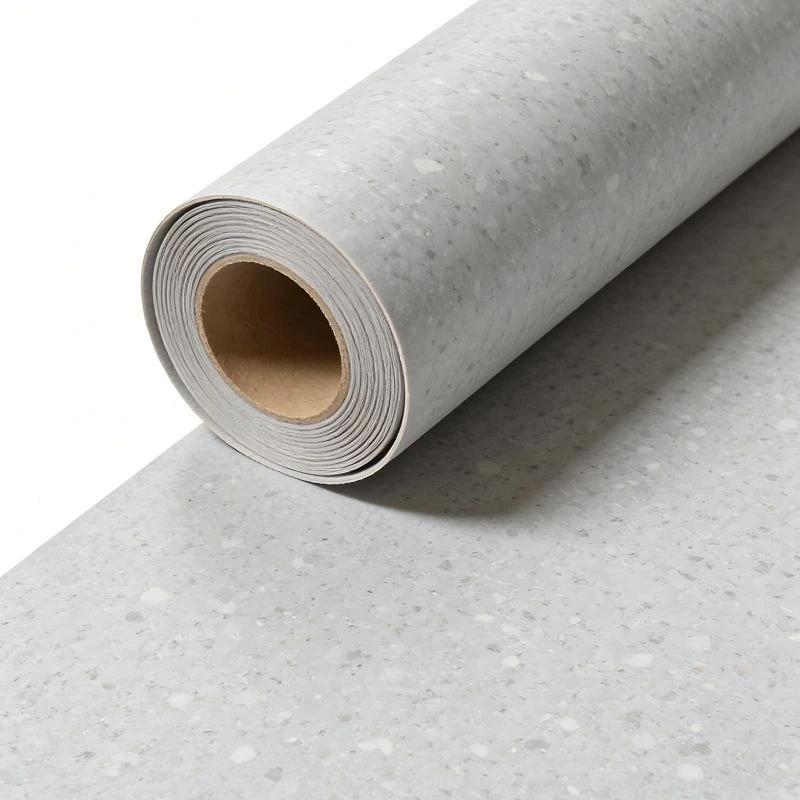
I’ve been in this business long enough to know that a good dance floor isn’t just a surface—it’s a partner for every pirouette, every leap, every tap that makes a performance memorable. The slip-resistance standards aren’t just rules; they’re the guardrails that keep dancers moving confidently, without fear of the floor letting them down. If you’re ready to talk about finding the right slip-resistant dance floor for your space, reach out to us to discuss your needs and get customized recommendations.
Homogeneous Vinyl Flooring References
International Organization for Standardization. (2017). ISO 17075:2017, Dance surfaces for professional and amateur dance use.
Resilient Floor Covering Institute. (2020). RFCI 159-20, Standard Specification for Performance Requirements of Resilient Dance Flooring.
American Society for Testing and Materials. (2021). ASTM F1647:21, Standard Test Method for Dynamic Coefficient of Friction of Floor Surfaces for Dance.
Qingdao Xinkailin Environmental Protection Materials Co., Ltd.
As one of the most professional dance flooring manufacturers and suppliers in China, we’re featured by quality products and good price. Please rest assured to buy premium dance flooring for sale here from our factory. Also, custom service is available.
Address: Room 618, Hedaxinduhui, No. 196 Tailiu Road, Shibei District, Qingdao City
E-mail: laura@xklflooring.com
WebSite: https://www.xklflooring.com/
