If you’ve ever rummaged through a cluttered kitchen drawer and grabbed a random plastic hand strap to hold a stack of measuring cups or a bag of fresh herbs, you’re not alone. I’m a plastic hand strap supplier, and over the years I’ve had so many customers pull me aside at trade shows or slide into my DMs asking the exact same question: “Wait, can these actually get wet, hold up to food stuff, and not turn into a mess in the kitchen?” Let’s cut the jargon here—no stuffy industry reports, no fancy terms you’d need a textbook to decode. This is the real, unfiltered take from someone who’s made plastic hand straps for 12 years, and has seen every use case from warehouse loading docks to home kitchen counter tops. Plastic Hand Strap
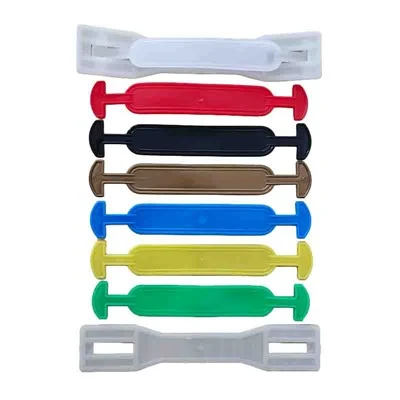
First, let’s get the big question out of the way: are plastic hand straps actually safe for kitchen use? I know what you’re thinking—you’ve watched a TikTok where someone says all plastic leaches chemicals, or a mom group post warning about BPA in everything. Let’s be clear: not all plastic is created equal. Most of the plastic hand straps we manufacture are made with food-grade polyethylene (PE) or polypropylene (PP). For the uninitiated, those are two types of plastic that the FDA (and global food safety boards, like EFSA) have already signed off on for direct contact with food. That means when you pick up a food-grade plastic strap, wash it with dish soap, or tie it around a bag of apples or a bunch of kale? It’s not leaching weird stuff into your food—no matter what that one Instagram influencer told you last month.
Wait, but what about regular plastic straps that aren’t food-grade? Yeah, those are the ones I tell you to skip. The cheap, thin straps you get for free at the office to hold folders? Those are usually made with lower-grade plastic that can break down faster when exposed to moisture or cleaning products, and might have additives that aren’t meant for food contact. But here’s the thing: as a supplier, I’ve started making a line of food-safe plastic hand straps specifically for kitchen use—we mark them clearly, and we only source the plastic resin from manufacturers that test for BPA, phthalates, and all those other scary chemicals people worry about. So if you’re buying a strap from someone that says “food-safe” or “kitchen-approved,” that’s the one you want.
Now, let’s talk about what plastic hand straps actually do in the kitchen, beyond just holding random stuff. Let’s start with the obvious: organizing. How many of you have measuring spoons that slip into the bottom of a utensil drawer, or spatulas that get lost under a pile of cutting boards? A plastic hand strap can cinch a set of measuring cups together so they don’t jingle around, or hold silicone spatulas, wooden spoons, and tongs in a tight bundle that you can hang on a hook by the stove. No more digging through a drawer at 7 a.m. when you’re trying to make coffee and breakfast at the same time.
Then there’s produce. We’ve all been there: you come home from the grocery store, toss a bunch of bananas on the counter, and a day later one goes bad because it’s squished against an apple. A plastic hand strap can hold a small bunch of bananas together so they don’t roll around, or tie a bundle of celery, carrots, or herbs (like rosemary or basil) so they don’t wilt or get crushed. I even had a customer tell me she uses a strap to hold a bag of homemade trail mix or granola closed, instead of fumbling with twist ties that break all the time. The key here? Make sure the strap is the right length for the job—too tight and it can bruise soft produce, too loose and it’ll slide off. Our kitchen-specific straps come in a range of widths, too, so you can use a narrow one for herbs and a wider one for bananas or large bags.
What about the parts that get messy? The kitchen is full of spills, splatters, and hand washing (sometimes three times in 10 minutes). Plastic hand straps are way easier to clean than, say, fabric straps or rubber ones. If you get sauce on a strap, just wipe it down with a damp paper towel or toss it in the dishwasher (most food-grade ones are dishwasher-safe, by the way—we test ours to make it through a normal cycle without warping or fading). Fabric straps? They absorb food odors, get stained, and can get moldy if you don’t dry them fast. Rubber ones? They’re hard to wipe, can crack over time if you use harsh cleaning chemicals, and get sticky with grease. Plastic straps? Just rinse, wipe, done.
Wait, but what about durability? I’ve had people ask me, “Isn’t plastic cheap and flimsy?” Let’s set that straight: cheap plastic is flimsy, but quality plastic hand straps? They’re tough. We’ve tested our kitchen straps by pulling them as hard as we can (way harder than you’d ever pull them in the kitchen) and they don’t snap. They don’t stretch out of shape either—unlike rubber bands, which get loose after a few uses, or fabric ties that fray. I’ve had a customer tell me she’s been using the same set of plastic straps for 5 years, and they still work like the day she bought them. That said, don’t use them for things they’re not meant for—like lifting heavy pots or moving boxes (that’s what our industrial straps are for). For kitchen use, stick to holding small to medium items, and they’ll last.
Now, let’s address the elephant in the room: sustainability. I know, I know—everyone’s talking about ditching plastic for eco-friendly alternatives. But here’s the thing: not all plastic is bad. Food-grade plastic hand straps are reusable, first of all. You don’t have to throw them away after one use, unlike twist ties or plastic produce bags (well, actually, you can reuse our straps for produce bags too). And when they do reach the end of their life, they’re recyclable—most curbside programs accept #2 PE and #5 PP plastic, which is what our kitchen straps are made from. I get it, switching to sustainable stuff is important, but it doesn’t mean you have to replace every useful plastic item in your kitchen. Our straps are made to be reused, and we even offer a take-back program for old ones that can’t be used anymore—we melt them down and make new straps, so they don’t end up in a landfill.
I’ve also had a few customers ask me about non-food-safe uses in the kitchen, just in case they want to use straps for other things. Like, hanging oven mitts to dry, or holding recipe cards together, or even securing a tea towel to the oven door so it doesn’t slip off. Those are totally fine too—just don’t use a non-food-safe strap for anything that touches food, obviously. The thing is, kitchen use for plastic straps is way more versatile than people think, once you know what to look for.
Wait, let’s be real about the drawbacks, too. No product is perfect, and I don’t want to oversell this. If you’re looking for something that’s super soft and has a nice texture, plastic straps might not be for you—they’re smooth, not fuzzy or textured like fabric. Also, if you use the wrong strap (like an industrial, thick one) for small kitchen items, it’ll be too bulky and hard to handle. That’s why our kitchen line is specifically designed to be slim, easy to grip, and the right size for all those small kitchen tasks. And, like anything, if you leave a plastic strap in direct sunlight for weeks on end, it might fade a little—though it won’t break down or become unsafe, it just won’t look brand new anymore.
Now, as someone who supplies these straps, let me tell you why I made a dedicated kitchen line. For years, customers were buying our standard straps and complaining that they were too stiff, too thick, or not safe for food. So I worked with my team to tweak the formula: we used a softer, more flexible food-grade plastic, made the widths smaller for delicate items, and added a clear label that says “kitchen-safe” so you don’t have to guess. We even tested them against other “kitchen straps” that are actually made of flimsy plastic that breaks after a month. Ours? We back them with a 6-month warranty, because we know they’ll hold up.
If you’re someone who’s been hesitant to try plastic straps in the kitchen, I hope this helps. They’re not just for warehouses or moving boxes—they’re for holding your measuring cups together, keeping your bananas fresh, cleaning up fast, and making the chaos of the kitchen a little less messy. The key is to get the right kind: food-grade, flexible, sized for small tasks, and made by a supplier you trust (shoutout to us, obviously—we’ve been in this for 12 years, and we don’t cut corners on safety or quality).
Speaking of that, if you’re a home cook looking to stock up, or a small kitchen supply store that wants to carry these straps for your customers, feel free to reach out to our team to talk about bulk orders, custom sizes, or even packaging that works for retail. We’re here to answer any questions you have about safety, durability, or how these straps can fit into your kitchen routine. No high-pressure sales pitches, no confusing tech terms—just real talk about a small product that makes a big difference.
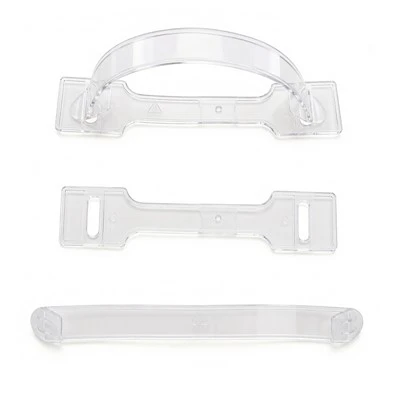
At the end of the day, the kitchen is all about making things easier, less stressful, and more efficient. Plastic hand straps might seem like a tiny, unimportant tool, but once you start using them, you’ll wonder how you ever lived without them. They’re safe, durable, easy to clean, and versatile enough for every little task in your kitchen. So next time you’re digging through a drawer for a way to tie up your herbs or organize your utensils, grab a food-grade plastic hand strap—you won’t regret it.
Packaging Webbing References:
U.S. Food and Drug Administration. (2023). Food Contact Substances: Polyethylene and Polypropylene.
European Food Safety Authority. (2022). Safety Assessment of Plastic Materials for Food Contact Use.
National Restaurant Association. (2021). Cleaning and Storage Guidelines for Kitchen Tools.
Plastic Industry Association. (2022). Recycling Best Practices for Food-Grade Plastics.
Tengzhou Fujin Plastic Products Co., Ltd.
As one of the most professional plastic hand strap manufacturers and suppliers in China, we also support customized service. With abundant experience, we warmly welcome you to buy bulk plastic hand strap made in China here and get pricelist from our factory. For price consultation, contact us.
Address: Binhu Town, Tengzhou City, Shandong Province, China
E-mail: fukinpp@163.com
WebSite: https://www.tzfujin.com/
