If you’ve ever stood poolside on a humid summer afternoon, watching kids cannonball into cool water, you’ve probably noticed two things: the crisp, clean smell of well-maintained pool water, and the way chlorine feels gentle on your swimsuits and skin—no harsh chemical burns or that overpowering chemical odor that lingers on your clothes long after you get home. As a swimming pool equipment supplier, I get asked about salt-water systems more than any other piece of gear, and most people come in with the same question: how does this actually work? It’s easy to think it’s just “pool water with salt,” but there’s a lot more going on under the surface—science that’s simple enough for any homeowner to understand, and reliable enough to trust for your backyard pool. Swimming Pool Equipment

Let’s start with the basics: traditional pool chlorine comes in three main forms—granular, liquid, or tablets—but all of them are made from chlorine molecules that kill bacteria, algae, and other contaminants. Salt-water systems don’t add chlorine directly. Instead, they use a process called electrolysis to turn ordinary salt into chlorine, right there in your pool. It’s like having a tiny, on-demand chlorine factory attached to your filter system, which means you never have to stock up on jugs of chlorine or mess with tablets that can stain liners if you add too much.
First, you need to add salt to your pool water. But not just any salt—you should use pure, food-grade pool salt (that’s where our team at the supply shop comes in; we make sure to carry high-purity salt free of anti-caking agents or impurities that can damage your system or cloud your water). The amount is small—usually between 3,000 and 5,000 parts per million, roughly one-eighth the salt level of the ocean. You won’t even taste it when you swim; it’s just enough to trigger the electrolysis process.
Here’s where the magic happens: the heart of a salt-water system is the electrolytic cell, a block of titanium plates coated with precious metals (like platinum or palladium) that sits inside your pool’s plumbing, right after the filter. When your pool pump runs, water flows through the cell, and a small electrical current passes through the saltwater. That current splits the salt molecules (sodium chloride, or NaCl) into their two parts: sodium (Na) and chlorine (Cl). The chlorine molecules then combine with water to form hypochlorous acid and hypochlorite—those are the same gentle chlorine compounds that clean your pool.
Wait, a quick note for anyone worried about safety: when the electrolysis process is working correctly, it only produces enough chlorine to keep your pool clean, not excess. The system monitors the chlorine level automatically, so you don’t have to guess how much to add. The sodium left over from the salt process just stays in the water, and it’s recycled over and over again—meaning you don’t have to add salt every time you run the system. That’s a huge cost-saver over time, too; salt is cheap, and you only need to top it off once a year, if at all.
Now, let’s talk about what makes these systems different from traditional chlorine, and why our customers swear by them. For one, the chlorine produced by a salt system is milder. When you add chlorine directly from a jug, it can react with sweat, sunscreen, and dirt in your pool to form chloramines—those smelly, irritating compounds that make your eyes burn and your skin dry. Salt-water systems produce chlorine that’s released slowly, so there’s less chance of those harmful chloramines forming. That means swimmers can stay in the water longer without feeling uncomfortable, and your pool will smell fresh, not like a public swimming pool’s changing room.
Another big benefit is convenience. With a traditional system, you have to test the chlorine level every few days, add chemicals manually, and adjust for rain or heavy use. Salt systems have built-in timers and controllers that let you set how much chlorine you want produced, and most will even turn on automatically when the pool pump is running. For our customers who own multiple properties or just don’t want to spend weekends balancing chemicals, that’s a game-changer. It’s also better for your pool equipment: traditional chlorine can corrode metal parts over time, but salt systems produce a low, consistent level of chlorine that’s gentler on liners, ladders, and pumps.
Of course, salt systems aren’t without their maintenance, and that’s where our team at the supply shop can help. The electrolytic cell is the most important part, and it needs regular cleaning to keep working well. Over time, calcium and other minerals from the pool water can build up on the titanium plates, which slows down the electrolysis process. We recommend cleaning the cell every three to six months, depending on your pool’s water hardness. Most systems have a simple indicator light that tells you when the cell needs cleaning, and our team can show you how to do it in five minutes with a mild acid solution—no special tools required.
You also need to keep your pool’s water chemistry balanced, even with a salt system. Salt systems don’t replace the need to test pH, alkalinity, and calcium levels. If the pH is too high or too low, it can affect how well the electrolysis works, and even damage the cell. Our supply shop carries all the test kits and chemicals you need to keep your pool balanced, and we offer free consultations to help homeowners get set up. We’ve seen customers try to install a salt system on their own and run into issues with water chemistry, so we always advise working with a professional to make sure the system is sized correctly for your pool. That’s why we don’t just sell equipment—we help our customers every step of the way, from installation to year-round care.
Let’s clear up a common myth: salt-water systems don’t turn your pool into a “salt lake” or taste like seawater. As I mentioned earlier, the salt level is only about a tenth of what you’d find in the ocean. When you swim, you might not even notice it unless you taste your skin after getting out—and it’s just a subtle, clean saltiness, not the briny taste of the beach. That myth comes from people confusing the salt level with ocean water, but it’s just not accurate.
Another question I get a lot: how much does a salt-water system cost? The upfront cost is a bit higher than a traditional chlorine setup, but when you factor in the savings on chlorine, the lower maintenance, and the longer life of your pool equipment, it usually pays for itself in two to three years. For a standard 20,000-gallon pool, a good quality salt system runs between $500 and $1,500, and we offer financing options to make it easier for homeowners to upgrade. Our team can help you pick the right size system for your pool—too small, and it won’t produce enough chlorine; too big, and you’re wasting energy. That’s why we take the time to measure your pool, talk about how often you use it, and answer any questions before you buy.
I remember a few years ago, a customer came into our shop panicking because his new salt system wasn’t working. He’d installed it himself, and the cell was turning green. Turns out, he’d used table salt instead of pool salt, which had added impurities that coated the plates. We replaced the cell, walked him through proper salt usage, and he’s now one of our biggest advocates. That’s the thing about working in pool equipment—we don’t just sell parts; we solve problems. Whether you’re a first-time pool owner trying to figure out why your water is cloudy, or a seasoned pro looking to upgrade your system, our team is here to help.
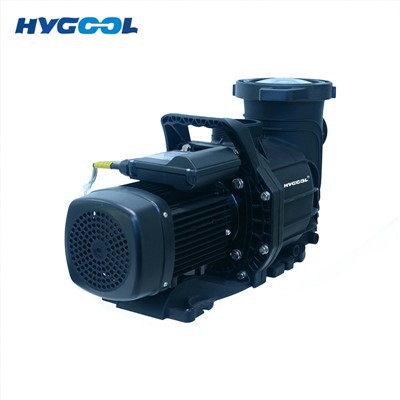
If you’re thinking about switching to a salt-water system, or you have questions about how it works for your specific pool, don’t hesitate to reach out. We’ll walk you through everything, from sizing the right system for your needs to explaining maintenance tips that will keep your pool clean and safe all season long. Whether you’re updating an old pool or building a new one, our team has the expertise and products to make your swimming experience better. Contact us today to schedule a consultation and learn more about how a salt-water system can transform your backyard pool.
Water House References
- “How Salt Chlorinators Work.” Pool Corporation, https://www.poolcorp.com/education-center/how-salt-chlorinators-work.
- “Salt Water Pool Systems: A Complete Guide.” Centers for Disease Control and Prevention, https://www.cdc.gov/healthywater/swimming/pools/salt-water-pools.html.
- “Electrolysis for Swimming Pool Sanitization.” International Swimming Pool and Spa Association, https://www.ispas.org/resource-library/technical-resources/electrolysis-for-swimming-pool-sanitization.
- Water Chemistry Guidelines for Salt Water Pools. National Swimming Pool Foundation, 2022.
Guangzhou Qiaoyi Water Treatment Technology Co., Ltd.
Address: Floor 6th, Building 2, No. 3, Ketai 1st Road, Baiyun District, Guangzhou 510445, Guangdong Province, China
E-mail: Hygool@hygool.com
WebSite: https://www.hygool.com/
