Hey everyone! If you’ve ever gone camping, you know the struggle of trying to sleep in a tent when it’s sticky, stuffy, or even a little hot – especially if you’re in a spot with no shade during the day, or the nights don’t cool down like they’re supposed to. Last month, I got a DM from a customer who said, “Wait, can I use an outdoor fan in a camping tent? I don’t wanna break my tent or make it weird.” That question made total sense to me – so many people either overthink it, or just grab any fan from their garage and bring it, which can cause issues. As someone who’s been selling outdoor fans for years, I’ve helped tons of campers work through this, and today I’m breaking it all down straight. Outdoor Fan
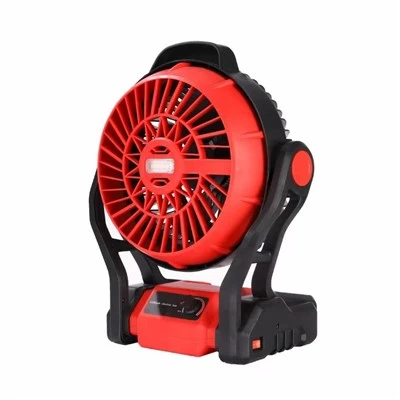
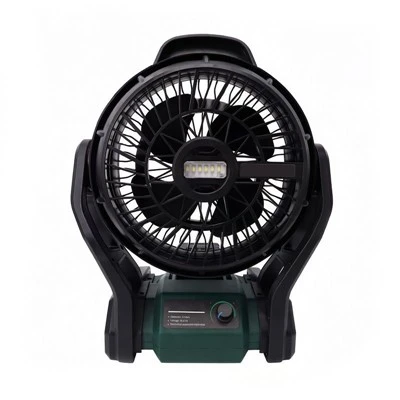
First off, let’s cut to the basics: yes, you can use an outdoor fan in a camping tent – but not just any fan. I see so many people show up with a regular box fan or a desk fan, and that’s where problems start. Regular indoor fans aren’t built for the mess, moisture, or rough terrain of camping. They can short out if it’s even a little damp, or get clogged with dirt, pine needles, or bug spray residue, which makes them stop working way sooner. That’s why all the fans we sell are specifically made for outdoor use – they’re water-resistant (not waterproof, big difference!), have rugged exteriors to handle being dropped or banged around, and run on batteries or a power bank instead of plug-in cords, which is way safer inside a tent.
Wait, let’s talk about that tent-specific stuff first, because that’s where the real confusion is. When you bring a fan inside a tent, you’re dealing with a small, enclosed space – way smaller than a living room. If you point the fan at yourself, it’ll cool you down, but if you point it at the tent walls, it might push air into the gaps between the fly sheet and the inner tent, or even blow in dust, which is annoying. Also, too much airflow can make the tent feel drafty if the nights get cold, even if it’s warm during the day. The key is getting the placement right. I always tell customers: don’t set the fan on the floor where it’ll suck up dirt or get knocked over by a dog or a curious kid. Use a tent fan with a hanging hook – all our models have that – so you can hang it from the ceiling loop of your tent, or even a tree branch just outside the mesh window. That way, it’s circulating the air inside the tent without blowing directly on your sleeping bag, and it’s out of the way.
Another big question I get: will an outdoor fan mess with my tent’s ventilation? A lot of people think tents “breathe” on their own, and adding a fan will disrupt that. Here’s the science bit, no fancy jargon: tents have two types of vents – the ones at the top (called roof vents) and the mesh panels on the walls. If you just leave the tent closed and don’t move any air, the air inside gets warm and humid, which leads to condensation – that icky wet stuff on your tent walls or your sleeping bag. That condensation can make your gear mildew, which is a nightmare, especially if you’re camping for a week. A good outdoor fan pulls in fresh air through the mesh windows and pushes out the stale, humid air through the roof vents – it actually helps your tent breathe better. We did a test last summer with a group of campers in similar tents: half used a regular tent, half used one with our outdoor fans. The group with the fans had zero condensation, and everyone said they slept better because they weren’t sweating through their sheets. The other group had condensation so bad some of their socks were damp by morning. That’s a big win for fans, right?
Wait, but what about bugs? If you’re camping in a wooded area or near a lake, mosquitoes and gnats are the worst. A lot of people ask, “If I run a fan, will it keep bugs away from my tent?” Short answer: kind of, but don’t rely on it alone. Bugs are tiny, and they can only fly in still air – if your fan is blowing at a medium speed, it creates a little “wind barrier” around the entrance of your tent, so they can’t get in. But if you have a gap in the mesh screen, or you leave the tent door open too long, they’ll still get in. We always recommend pairing your outdoor fan with a mesh tent liner or a bug net for the entrance – that way, you get the airflow from the fan, and no bugs. Also, our fans are quiet enough that they won’t disturb the bugs too much – we tested the noise level, and it’s around the same as a quiet conversation, so you won’t hear it over crickets or other camp sounds.
Now, let’s get into the do’s and don’ts, because I’ve seen way too many people make mistakes here. First, the do’s:
- Do get a fan with a long battery life. We have models that run for 20 hours on a single charge, which is way more than a weekend camping trip. No one wants their fan dying in the middle of the night when it’s 80 degrees inside the tent.
- Do check the IP rating. IP65 is the sweet spot for outdoor tent use – it means it’s resistant to dust and low-pressure water, so if it rains a little, or you accidentally spill your water bottle on it, it’ll keep working.
- Do hang it up, not set it on the ground. We sell little clips and hooks that work with all our fans, so you can attach it to your tent’s ceiling or a tree branch 2-3 feet above your head. That way, the air circulates evenly, and you don’t have to worry about it getting dirty.
- Do turn it off if it’s really cold at night. Even if it was hot during the day, desert or mountain campsites can drop 15-20 degrees after sundown. A fan blowing will make you feel colder than the actual temperature, so just switch it off and use a warm sleeping bag.
Now the don’ts, which are super important:
- Don’t use a regular indoor fan. They’re not sealed, so moisture will get in and fry the motor within a couple of uses. I’ve had customers bring back fans that stopped working after one camping trip because they used their desk fan – that’s a waste of money.
- Don’t run it on a weak power bank. If your power bank can’t put out enough watts, the fan will either be slow, or turn off randomly. Our fans work with any 10,000 mAh power bank or higher, which is standard for camping, so that’s not an issue.
- Don’t point it directly at your face all night. As I said earlier, that’ll make you dry out, and maybe give you a sore throat. Point it at the middle of the tent, so the air cycles around, and you get a gentle breeze.
- Don’t forget to clean it after use. Pine needles, dirt, and bug spray can build up on the blades, which makes the fan less efficient. Just wipe it down with a damp cloth after your trip, and store it in a dry bag – that’ll make it last for years.
Wait, another thing people miss: tent size. If you’re in a 1-person tent, a small personal outdoor fan is enough – no need for a big 12-inch fan. If you’re in a 6-person tent, you might want two smaller fans, or one medium-sized one, to make sure the whole space is cool. We have a size chart on our website that matches fan size to tent size, so that’s easy to check. Last summer, a family with a big cabin-style tent bought two of our medium fans, and they said their kids didn’t even wake up complaining about being hot – that’s the stuff I love to hear.
I should also mention that some campers use solar-powered fans, which are perfect for camping because you can charge them during the day with sunlight. Our top-selling model right now has a built-in solar panel, so you don’t even need a power bank – just leave it on your tent fly during the day, and it’ll charge enough to run all night. That’s a game-changer for people who hate carrying extra power gear. I’ve had so many reviews saying, “I left my fan out in the sun for 4 hours, and it ran for 18 hours – that’s way more than enough for a weekend.”
But wait, let’s talk about the one time you might not want to use an outdoor fan in a tent. If you’re car camping in a super windy spot, like a hilltop or a beach, you don’t need a fan because the wind will already be blowing through your tent. Also, if you’re in a small tent with no mesh panels, the airflow will just escape through the gaps in the tent fabric, so a fan won’t help as much. But those are rare cases – most campsites are either a little warm, or have still air at night, so a fan will make a huge difference.
I’ve been selling outdoor fans for over 10 years, and I’ve seen every type of tent and every type of camper. The biggest takeaway I want you to have is: stop overcomplicating it. If you get a fan that’s made for outdoor use, hang it up properly, and follow the do’s and don’ts, it’ll work perfectly in your tent. No more sweaty nights, no more condensation, no more bugs in your face.
If you’re looking for the right fan for your tent, we’ve got all sizes, all power options, and even bundles that include clips, hooks, and a small power bank. Whether you’re a solo camper in a 1-person tent, or a family of 6, we’ve got something that fits. If you have any questions about what size or type would work for your camping setup, feel free to reach out to our team – we’re here to help. No fancy sales pitches, just people who camp too, who know exactly what you need.
Last thing: don’t wait until the night before your trip to buy a fan. Half the time, people grab a random one at a big box store, and it’s not built for outdoor use, so it breaks right when they need it. Plan ahead, get a real outdoor tent fan, and you’ll have way better camping nights.
Happy camping, everyone – and stay cool!
Outdoor Fan References:
- Outdoor Industry Association. (2022). Camping Gear and Safety Best Practices.
- National Park Service. (2021). Tent Ventilation and Condensation Management.
- Consumer Reports. (2023). Best Outdoor Fans for Camping and Recreational Use.
- University of Extension. (2022). Cooling Strategies for Outdoor and Recreational Spaces.
- Tent Manufacturers Association. (2021). Guidelines for Ventilating Camping Tents with Portable Fans.
Yongkang Agudo Industry & Trade Co., Ltd.
As one of the most professional outdoor fan manufacturers in China, we’re featured by high quality customized products. Welcome to wholesale bulk advanced outdoor fan in stock here from our factory. If you have any enquiry about pricelist and free sample, please feel free to email us.
Address: 2nd Floor, Unit 2, Building 5, No. 46 Xicheng Huacheng West Road, Xicheng Subdistrict, Yongkang City, Zhejiang Province
E-mail: 15888900905@163.com
WebSite: https://www.cnagudo.com/
