Hey there, let’s cut to the chase – you’re probably here because you stared at a utility meter box this morning, and there’s been a damn tree growing over it for months, blocking it. You couldn’t reach the utility company, your HOA yelled at you, and now you’re wondering… who even owns this thing anyway? Especially when trees keep creeping over it like it’s their personal treehouse. Full disclosure, I’m not a lawyer – just a Meter Box supplier who’s dealt with this exact headache way too many times, talking to homeowners, utility teams, landscapers, you name it. Let’s break this down like we’re chatting on your porch over a cold one. Meter Box
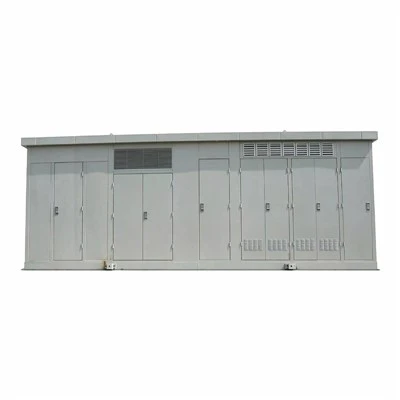
First off, let’s get one super confusing myth out of the way: the meter box itself is NOT your property, right? Wait, hold on – before you go arguing with your utility rep, that’s almost always true for electric, gas, water, even wastewater meters. The utility company owns every part from the pole (or main line) to that little metal box on your side of the yard. Why? Because they need full, unblocked access to read it, fix it, replace it mid-storm if the line blows – y’know, when your heat cuts out in January and you’re freezing your ass off. That’s their whole job: no access, no resolution.
But here’s the curveball: the trees growing over the box? That’s where things get murky, and this is where 90% of the confusion happens. Let’s start with the basics of how utility lines work – most areas have what’s called an “easement” on your property. Think of an easement as a tiny slice of your yard that’s legally off-limits to you to build on, but it’s reserved for the utility company to run lines, maintain them, do whatever they need. Now, here’s the thing: most easements extend 10 to 20 feet from the main line, and trees are not allowed in that zone, but guess what? People plant them there all the time. Landscapers love big shade trees, homeowners want privacy, no one reads the fine print when they sign for their house.
So, let’s map out the scenarios that play out in real life, not whatever the random Google search told you. Scenario 1: The tree is inside the easement. Odds are, that’s the utility company’s call to trim or remove it – because that’s their access zone, they get first dibs on keeping it clear. Wait, but don’t go texting them at 8 PM on a Friday about a small sapling. Most utility teams prioritize safety over small nuisances, but if that tree’s trunk is pressing against the box, or branches are hanging over the reader, they’ll come cut it back – and a lot of times, they’ll dump the branches on your curb and bounce. Scenario 2: The tree is outside the easement, but on your property. Uh, that’s your tree, my friend. And before you argue that “it was here when I moved in,” listen – if it’s on your land, growing onto your utility meter, that’s your responsibility. I’ve seen this so many times: a homeowner buys a house with a big oak 5 feet from the box, assumes the utility will take care of it, and then gets a $500 fine from the city for blocking a public utility access point. Don’t be that person. Scenario 3: The tree is on the property line – half yours, half the neighbor’s. Welcome to the most dramatic plot twist of all. Half of the county will tell you you’re responsible, the other half says the neighbor is. The rule of thumb here is: whoever planted it first? Or more accurately, whoever can prove ownership of the tree’s base? If you can show the trunk is on your side of the line, it’s your tree. If it’s straddling, that’s a fight best had with your neighbor over iced tea, not the utility company. I’ve had a landscaper client tell me they once mediated this exact thing: two neighbors had a maple on the line, box blocked, they split the trimming costs 50/50. Worked way better than a screaming match at a block party.
Now, let’s talk about why this stuff matters for you – and for me, since I make these damn meter boxes. Wait, no, hear me out – because a blocked meter isn’t just a headache for the utility. It can damage the box itself. Trees grow, right? Trunks expand, roots push up through concrete, branches scratch the metal, even crack the lock if they’re big enough. I’ve supplied boxes to folks whose meters got stuck because a sycamore root pushed the box up 3 inches, so the reader couldn’t slide in properly. Utility teams hate that – it means extra time, extra parts, extra hassle, which ultimately means either higher rates or passed-down costs to homeowners. And for the tree? Well, if it’s growing right over the box, it’s getting all kinds of moisture and debris stuck under its branches, which can cause rot. It’s not a win for anyone.
Wait, but let’s not forget the HOA angle, because that’s a whole separate ballgame. A lot of planned communities have super strict HOA rules about landscaping, and they’ll fine you if your tree is “overgrowing” a utility line – even if it’s on the easement. I had a homeowner email me last year panicking because his HOA sent a notice for his pine tree, which was actually on the utility easement, not his property. He reached out to the utility, they sent a letter to the HOA, and the fine got canceled. So that’s another layer: check your HOA rules, and if you get a notice, grab your property survey (you know, that weird paper you stuffed in a drawer when you moved) and point to the easement line.
Now, let’s get to the part that no one likes: how to actually fix this, so you don’t end up in a war with your neighbor or your utility. First step: find your property survey. It’s non-negotiable. That will show you exactly where the utility easement is, exactly where your meter box is, and exactly where the tree is in relation to both. If you don’t have the survey, most county assessor offices have them online for free now – just plug in your address, and boom, it’s there. Second step: call your utility company. Don’t email, don’t text, call their non-emergency line and ask for the “distribution maintenance team” – that’s the people who deal with lines and access, not the bill people. Tell them, “I have a meter box blocked by a tree, here’s my survey, can you tell me who’s responsible for trimming/removing it?” They’ll either come trim it for free (if it’s on the easement) or send you a reminder that it’s your tree to handle. Third step: if it’s your tree, don’t just hack it down and leave a stump. Hire a certified arborist – not the guy who trims your bushes for $50, a professional who knows how to cut back trees without damaging power lines or the meter box. And for the love of all that’s holy, don’t use hedge trimmers on big trees. I’ve seen too many arborist quotes that cost $800 because someone tried to save $100 on a hack job.
Wait, and let’s talk about what happens if no one does anything. Like, you ignore the notice, you let the tree keep growing. First, the utility company will send a final warning. If you still don’t do anything? They’ll send their own team to trim or remove it – and then bill you for every single cent, plus a “service fee” that’s way higher than you would’ve paid an arborist. I’ve seen people get billed $1,200 for a 10-minute trim job because the utility has to pay their team overtime, plus admin fees. That’s a way worse headache than just handling it yourself. Also, if a big branch falls on the box during a storm? That could damage the meter, the line, even your house’s electrical system. Homeowner’s insurance might not cover it if it’s because you neglected a known hazard. So yeah, not worth the risk.
Now, a quick note for the folks who think, “Well, I’ll just buy a bigger meter box so it doesn’t matter.” Sorry, that’s not how it works. Meter boxes are sized for a reason – they fit the exact lines, the exact reader size, they meet local code. If you install a box that’s too big, the utility company will refuse to use it, because they can’t get the reader in easily, and it’s a liability for them. I’ve had customers try that – they bought a fancy extra-large box online, their electrician said it didn’t meet code, so they had to return it and buy the right size. Lesson learned: stick to the dimensions your utility requires, don’t go custom unless they sign off on it.
Wait, let’s circle back to the original question, because that’s what everyone’s here for. Who is actually responsible? It breaks down like this, plain and simple:
- If the tree is inside the utility easement: Utility company’s call. They can trim/remove it when they want, but they’ll usually give you a heads up first (unless it’s an emergency, like a storm).
- If the tree is outside the easement, on your property: Your responsibility. Trim it, remove it, whatever, before you get fined or billed.
- If the tree is on the property line: Negotiate with your neighbor, or split the cost. If no one will own it, check local laws – some places say the neighbor with the bigger tree canopy is responsible, but that’s hit or miss.
- If the tree is on utility property (unlikely, but sometimes happens if the line is near a city park or something): Call the city or utility, they’ll handle it for free.
And a quick pro tip from someone who’s in the meter box game: do a monthly check of your meter box. Not just for trees, but for rust, dents, locks that don’t work. I’ve seen a lot of boxes get damaged before their time because of overhanging tree branches scratching them, or moisture seeping in from roots pushing up. Keeping it clear of vegetation makes your box last longer, which means you won’t have to replace it as often – which saves you money, and saves me (and every other supplier) the hassle of dealing with a complaint.
Wait, let’s be real here – this whole thing sucks. Trees are great, everyone wants them, but they don’t care about utility access. The key is communication, not fighting. If you call your utility and show them you’re not trying to avoid responsibility, they’ll usually help you. If you have a neighbor, chat with them – most people don’t want a fight over a tree. And if you need a new meter box, don’t just grab whatever’s on Amazon. Work with a supplier that knows local code, works with utilities, and can make you the right size without extra hassle. That’s why I do what I do, y’know? Not just sell boxes, but help people work through this mess, because I’ve seen too many people get burned by bad information.
At the end of the day, no one wants to be the person whose tree caused a utility outage, or got a fine, or had to pay a crazy bill. It’s all about staying on top of it, knowing your lines, and not letting that damn tree take over. If you’re dealing with a blocked meter box and need help navigating the next step, or even sourcing a quality, code-compliant meter box if yours got damaged, hit us up to connect. We’ll walk you through it, no fine print, no awkwardness.
Now, before you go, let’s make sure we didn’t miss anything. Oh right – small trees vs. big trees. A little sapling growing next to the box? Easy, you can yank it out. A 50-year-old oak? That’s a whole thing, so don’t wait until it’s a problem. Deal with small stuff before it becomes a big, expensive problem. That’s my main advice. Don’t be the guy who waits until the tree is pressing on the box to do something.
Prefabricated Modular Substation References:
- International Association of Plumbing and Mechanical Officials (IAPMO) – Utility Easement and Meter Access Guidelines
- National Electric Reliability Corporation (NERC) – Vegetation Management Near Overhead and Underground Utility Lines
- Arbor Day Foundation – Tree Planting and Utility Line Best Practices for Homeowners
- National Association of Home Builders (NAHB) – HOA Rules Related to Utility Access and Landscaping
Shandong Xunchi Electric Co., Ltd.
Shandong Xunchi Electric Co., Ltd. is one of the most professional meter box manufacturers and suppliers in China, featured by quality products and low price. Welcome to wholesale advanced meter box made in China here and get quotation from our factory. Customized orders are welcome.
Address: No.1 East Campus of Dachi Company on the North Ring Road, Yongchang Street Office, Chengwu County, Heze City, Shandong Province, China
E-mail: sdxcdq@126.com
WebSite: https://www.china-xunchielectric.com/
