Hey everyone, I’m Jake, and I’ve been designing and supplying lab tables for over a decade now. If you’ve ever stood in a lab, whether it’s a high school chemistry room, a biotech startup, or a university research center, you’ve probably glanced at the table you’re working on and thought, “Does this thing even matter?” Spoiler alert: it matters way more than you think. I’ve had so many conversations over the years where lab managers, researchers, even new techs brush off safety standards like they’re just annoying hoops to jump through. Today, I want to break down why this isn’t just red tape—why compliance can actually save you from messy, dangerous, and expensive mistakes. Lab Tables

First, let’s get one thing straight: lab tables aren’t just desks with nicer drawers. They’re the workhorses of every lab. When you’re pouring corrosive acids into beakers, handling flammable solvents, or running a PCR test in a hood, that table is your first line of defense. I once got a call from a small research lab a few years back that had a disaster. They’d bought cheap, uncompliant tables from a random online seller—you know, the ones that were light, had particleboard tops, and drawers that didn’t lock. One day, a grad student was transferring concentrated sulfuric acid and spilled half the bottle. The liquid seeped right through the particleboard top, ate through the flimsy base, and pooled under the table, almost hitting a power cord. That could’ve caused an electrical fire, or worse, the acid could’ve burned through the floor and damaged the lab below. The lab had to shut down for three days to fix the mess, replace all the tables, and retrain staff. That’s a $20k+ headache (not to mention the lost research time) all because they skipped basic safety standards.
So what exactly are these safety standards people are talking about? I’m not talking about a random list of rules—they’re developed by actual scientists, OSHA (Occupational Safety and Health Administration), ANSI (American National Standards Institute), and other organizations that study lab hazards every single day. For example, ANSI/SEMAL Z97.1 is the big one for lab furniture. It covers things like surface resistance to chemicals, structural stability, and fire resistance. OSHA’s Lab Standard (29 CFR 1910.1450) also has specific requirements for work surfaces in areas where hazardous materials are used. These aren’t arbitrary; they’re based on real accidents and data. Let’s talk about the chemical resistance part, for example. A compliant lab table top isn’t just a fancy laminate—it’s usually epoxy resin, phenolic resin, or high-density polyethylene (HDPE) that’s tested to resist spills from acids, bases, solvents, and even bleach for extended periods. A non-compliant table might start bubbling or dissolving within minutes of a small acid spill, turning a minor oops into a safety incident.
Another big one is structural stability. Labs are busy places—people are moving heavy centrifuges, equipment, boxes of samples, all on tables that get jostled around. Non-compliant tables might have wobbly legs or drawers that can’t hold weight, leading to spills of expensive equipment (not to mention broken glass!) or even a table tipping over. I remember a hospital lab that had a centurion rotor fall off a flimsy table because the leg wasn’t rated for the weight. The rotor crashed into a freezer of bacterial samples, and they had to dispose of hundreds of thousands of dollars worth of cultures, not to mention the risk of exposure to pathogens. Compliant tables are tested to hold specific static and dynamic loads, so you can safely put heavy equipment on them without worrying.
Fire resistance is another underrated part. Labs have flammable materials everywhere—ethanol, methanol, acetone, even some plastics. Compliant table materials are formulated to slow down or stop the spread of fire, rather than fueling it. I’ve seen cheap tables that melted within seconds when a small alcohol burner tipped over, making a small fire turn into something that required the fire department. Compliant tables will often self-extinguish or at least not drip molten plastic that spreads fire.
Wait, but some people will say, “We just work with water and basic solutions—do we really need to spend more on compliant tables?” Let me tell you, even a basic lab can have surprises. A high school chemistry lab might have a student accidentally knock over a beaker of sodium hydroxide, which is corrosive. A biology lab might have a spill of formalin, which is toxic. Even a clean room for sequencing might use small amounts of hazardous reagents. I’ve seen labs that thought they only needed water-resistant tables, only to have a spill of ethanol from a faulty pipette tip pool on the table, seep into the wood base, and start warping. Warped tables are hard to clean, harbor bacteria or contaminants, and can actually lead to inaccurate test results if you’re working with molecular biology. A compliant table’s surface is seamless and easy to sanitize, which is also part of health standards for labs—you can’t have crevices where bacteria or chemical residue build up.
Let’s talk about cost, because I know that’s a big factor for every lab. Buying a compliant table might seem like 20-30% more expensive upfront, but compare that to the cost of an accident. The grad student spill I mentioned earlier cost that small lab $20k in repairs and lost time. A non-compliant table might cost $500, while a compliant one is $700. If you have to replace a table every year because it’s damaged from spills, that’s way more than the upfront cost of a compliant one. Also, if an inspection happens—OSHA or a university audit—having non-compliant furniture can lead to fines, or even being shut down. I’ve had a startup lab call me in a panic because their inspector said their tables didn’t meet OSHA standards, and they had 30 days to fix it. They ended up choosing our compliant tables, and avoided a huge fine.
Another angle: employee safety. The people working in labs are at risk every day, even from small things. A non-compliant table that has sharp edges from cheap manufacturing can cut a tech while moving equipment. A wobbly table that tips can cause a back injury when someone tries to catch a centrifuge. Spills on non-resistant surfaces mean more exposure to hazardous materials, which can cause long-term health issues like skin irritation or respiratory problems. When you provide compliant lab tables, you’re showing your team that you care about their well-being, not just getting the job done. That builds trust and reduces turnover, which is another big cost for labs—hiring and training new staff is way more expensive than investing in good furniture.
I know some lab managers have had bad experiences with suppliers who overcharge for “compliant” tables that aren’t actually tested. That’s why it’s important to work with a reputable supplier, like ours, that can provide proof of compliance—certifications from ANSI, test results for chemical resistance, fire resistance, load capacity. We don’t just slap a sticker on a table and call it compliant; every batch goes through third-party testing to make sure it meets the standards. I always tell customers, if a supplier can’t show you the certifications, don’t buy from them. It’s that simple.
Wait, what about custom labs? Like a lab that needs a table with a built-in fume hood or a specific size for a piece of equipment. Does safety standards still apply? Absolutely. Even custom lab furniture has to meet structural and chemical resistance standards. For example, a custom table with a sink has to have piping that resists chemicals, and the area around the sink has to be sloped to prevent standing water, which can harbor bacteria. I worked with a pharmaceutical lab that needed custom tables for their new drug formulation area. We didn’t just make them to their size—we designed them to meet the latest USP <661> standards for pharmaceutical surfaces, which are stricter than regular lab standards to prevent contamination of drugs. That saved them from having their batches rejected by the FDA, which would’ve been a disaster for their launch.
Let’s also think about the future of labs. More and more labs are focusing on sustainability. Compliant lab tables are often made from materials that are more durable, so they last longer and don’t end up in landfills. Also, many compliant materials are recyclable, whereas cheap particleboard tables have to be thrown away as hazardous waste because they’re contaminated with chemicals. That’s another win—good for your budget and good for the planet.
I’ve heard all the excuses: “We’re a small lab on a tight budget,” “We only do basic research,” “The old tables work fine.” But here’s the thing: the “old tables” might not have had to deal with the volume of hazardous materials labs do now, or the strict regulations. Accidents don’t care about your budget or how small your lab is. I’ve seen a community college lab have a spill that closed their chemistry lab for two weeks, disrupting 200 students’ schedules. All because they used cheap, uncompliant tables.
So what should you look for when choosing lab tables? First, ask for certifications—ANSI, OSHA, USP, whatever applies to your field. Check the material: is the top resistant to the chemicals you use? Is the base sturdy enough for your equipment? Is the fire resistance up to par? Also, make sure the tables are easy to clean and sanitize, which is part of good lab hygiene. And work with a supplier who knows lab safety inside and out, not just someone who sells generic office furniture.
At the end of the day, lab tables aren’t just a piece of furniture—they’re an investment in your team’s safety, your research, and your budget. Skipping safety standards might save you a little money upfront, but it’s a risk that’s just not worth taking. I’ve spent my whole career making lab tables that meet and exceed safety standards, because I’ve seen what happens when you cut corners.
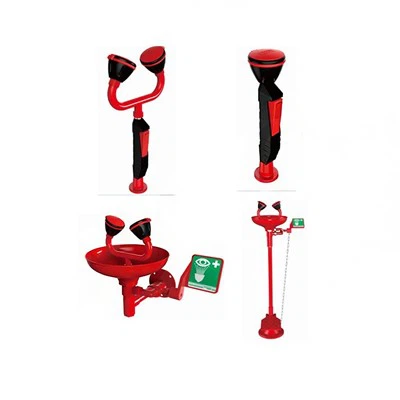
If you’re in the market for new lab tables, or you want to check if your current ones are compliant, reach out—we can help you figure out what you need, no pressure, no sales pitches. We work with all kinds of labs, from high schools to biotechs to pharmaceutical companies, and we’ll make sure you get tables that are safe, durable, and fit your budget. Don’t wait for an accident to make you realize how important this is.
Lab Casework References:
- Occupational Safety and Health Administration (OSHA). (29 CFR 1910.1450). Laboratory Standard.
- American National Standards Institute (ANSI) / Scientific Apparatus Makers Association (SAMA). ANSI/SEMAL Z97.1-2020: Laboratory Furniture – Safety Requirements.
- United States Pharmacopeia (USP). USP <661> Pharmaceutical Packaging Materials – Plastic Materials.
- National Fire Protection Association (NFPA). NFPA 45: Standard on Fire Protection for Laboratories Using Chemicals.
HAMECC(Shanghai) Lab Solutions Co., Ltd.
We’re well-known as one of the leading lab tables manufacturers and suppliers in China, featured by quality products and good price. Please rest assured to buy customized lab tables made in China here from our factory.
Address: Building 1, No.2222, Huancheng Road, Jiading District, Shanghai
E-mail: info@hamecc.com
WebSite: https://www.hamecc.com/
