Hey there! I’m a supplier of PVC tarpaulin, and I often get asked, "Is PVC tarpaulin UV-resistant?" Well, let’s dive right into this topic and clear up any confusion. PVC Tarpaulin
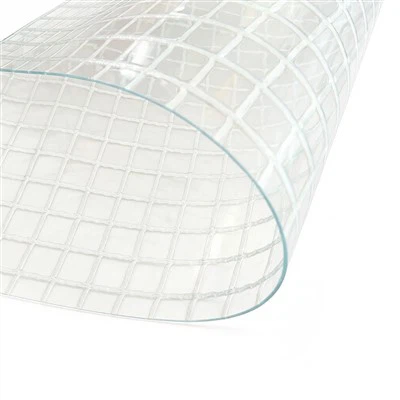
First off, let’s understand what UV resistance means. UV, or ultraviolet, rays from the sun can be pretty harsh. They can cause all sorts of damage to materials over time, like fading, cracking, and weakening. So, when we talk about UV resistance in PVC tarpaulin, we’re talking about how well it can stand up to these harmful rays.
Now, PVC tarpaulin is made from polyvinyl chloride, a synthetic plastic polymer. This material has some natural properties that give it a certain level of UV resistance. But the level of resistance can vary a lot depending on a few factors.
One of the main things that affects UV resistance is the quality of the PVC used. High – quality PVC tarpaulin usually has better UV – blocking capabilities. The manufacturers add special additives to the PVC during the production process. These additives act as a shield against UV rays. They can absorb or reflect the UV radiation, preventing it from penetrating the tarpaulin and causing damage.
For example, some of these additives are called UV stabilizers. They work by reacting with the UV rays and neutralizing their harmful effects. The better the quality and quantity of these stabilizers, the more UV – resistant the tarpaulin will be.
Another factor is the thickness of the tarpaulin. Thicker PVC tarpaulins generally offer more protection against UV rays. A thicker layer means there’s more material to absorb and block the UV radiation. So, if you’re in an area with a lot of sunlight, it might be a good idea to go for a thicker tarpaulin.
But it’s not just about the material and thickness. How the tarpaulin is used also matters. If it’s constantly exposed to direct sunlight for long periods, even a UV – resistant tarpaulin will start to show signs of wear and tear over time. For instance, if you use a PVC tarpaulin to cover a boat that’s left out in the sun all year round, it’s going to face a lot of UV exposure.
On the other hand, if you use the tarpaulin in a more sheltered environment, like under a canopy or in a garage, it won’t be exposed to as much UV, and its lifespan will be longer.
Let’s talk about some real – world applications. PVC tarpaulins are used in a wide range of industries. In agriculture, they’re used to cover crops and protect them from the sun. In construction, they’re used to cover building materials and equipment. And in transportation, they’re used to cover trucks and trailers.
In all these applications, UV resistance is crucial. In agriculture, if the tarpaulin isn’t UV – resistant, it can start to break down quickly, leaving the crops exposed to the sun. In construction, a non – UV – resistant tarpaulin might not last long enough to protect the building materials, which could lead to damage and extra costs.
So, how can you tell if a PVC tarpaulin is UV – resistant? Well, most reputable suppliers will provide information about the UV resistance of their products. They might give you a rating or a specification that tells you how well the tarpaulin can withstand UV rays. You can also look for certifications. Some independent organizations test and certify the UV resistance of tarpaulins. If a tarpaulin has one of these certifications, it’s a good sign that it’s UV – resistant.
But don’t just take the supplier’s word for it. You can also do some simple tests yourself. For example, you can take a small sample of the tarpaulin and expose it to sunlight for a few days. If it starts to fade or crack quickly, it might not be very UV – resistant.
Now, as a PVC tarpaulin supplier, I know that different customers have different needs. Some might need a highly UV – resistant tarpaulin for long – term outdoor use, while others might only need it for a short – term project. That’s why we offer a variety of PVC tarpaulins with different levels of UV resistance.
If you’re in the market for a PVC tarpaulin, and you’re worried about UV resistance, just give us a shout. We can help you choose the right product for your specific needs. Whether you’re covering a small garden shed or a large industrial building, we’ve got you covered.
We’ve been in the business for a while, and we’ve built a reputation for providing high – quality PVC tarpaulins. Our products are tested to ensure they meet the highest standards of UV resistance. We work with top – notch manufacturers who use the best materials and production techniques.
So, if you’re interested in purchasing PVC tarpaulin, don’t hesitate to reach out. We’re here to answer any questions you might have and help you make the right choice. Whether you’re a farmer, a contractor, or just someone looking to cover something in your backyard, we can find the perfect tarpaulin for you.
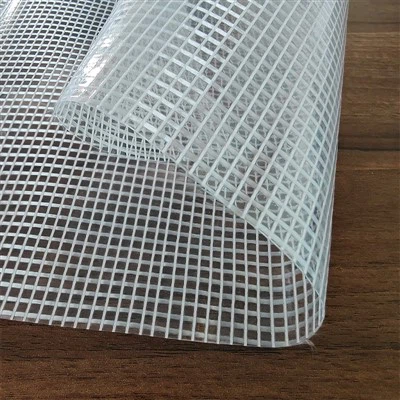
In conclusion, PVC tarpaulin can be UV – resistant, but it depends on several factors like the quality of the PVC, the thickness, and how it’s used. As a supplier, we’re committed to providing you with the best UV – resistant tarpaulins on the market. So, if you’re in the market for one, get in touch, and let’s talk about your requirements.
Antistatic PVC References:
- Industry reports on PVC tarpaulin manufacturing and UV resistance
- Research papers on the effects of UV rays on synthetic materials
- Product specifications from leading PVC tarpaulin manufacturers
Nantong Dahe Composite New Material Technology Co., Ltd.
We’re well-known as one of the leading PVC tarpaulin manufacturers and suppliers in China, specialized in providing high quality customized products to global clients. Please feel free to wholesale cheap PVC tarpaulin in stock here from our factory. Contact us for quotation and free sample.
Address: South Side of Pinghai Highway, Pinghe Village, Dongshe Town, Tongzhou District, Nantong City, Jiangsu Province, China
E-mail: nantongdahe@outlook.com
WebSite: https://www.cndahetech.com/
