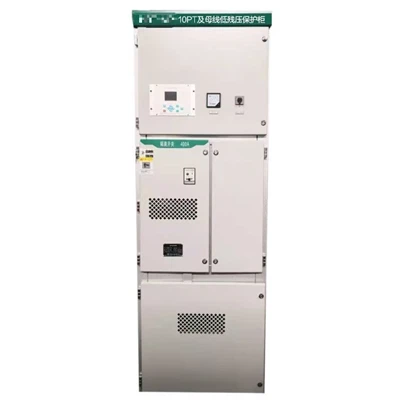
Busbars are crucial components in switchgear, playing multiple vital functions that ensure the efficient, safe, and reliable operation of electrical systems. As a switchgear supplier, I have witnessed firsthand the significance of busbars in various applications. In this blog, I will delve into the functions of busbars in switchgear, highlighting their importance and how they contribute to the overall performance of electrical installations. Switchgear
Electrical Conductivity and Power Distribution
One of the primary functions of busbars in switchgear is to provide a low – resistance path for the flow of electrical current. Busbars are typically made of highly conductive materials such as copper or aluminum. Copper, in particular, is favored due to its excellent electrical conductivity, high thermal conductivity, and good corrosion resistance.
In a switchgear system, electrical power is received from a source, such as a generator or a transformer. The busbars act as a central distribution point, collecting the incoming power and distributing it to different circuits and loads within the switchgear. They are designed to handle large amounts of current without significant power losses. For example, in a large industrial switchgear installation, the busbars can carry thousands of amperes of current, ensuring that the electrical power is efficiently delivered to the various equipment and machinery.
Fault Current Handling
Busbars also play a critical role in handling fault currents. A fault current is an abnormal current that flows in an electrical circuit due to a short – circuit or a ground fault. When a fault occurs, the busbars must be able to withstand the high – magnitude fault current without damage.
Switchgear is equipped with protective devices such as circuit breakers that are designed to detect and interrupt fault currents. The busbars are designed to have sufficient mechanical strength and electrical conductivity to carry the fault current until the circuit breaker trips. This is essential for protecting the electrical equipment and preventing damage to the switchgear and the entire electrical system. For instance, in a high – voltage switchgear, the busbars are engineered to handle fault currents in the range of tens of kiloamperes for a short period, typically a few milliseconds.
Electrical Insulation and Isolation
Busbars need to be properly insulated to prevent electrical short – circuits and ensure the safety of the switchgear and its operators. Insulation materials such as epoxy resin, porcelain, or rubber are used to cover the busbars. This insulation not only prevents electrical contact between adjacent busbars but also protects against environmental factors such as moisture, dust, and chemicals.
In addition to insulation, busbars also provide electrical isolation between different circuits within the switchgear. This is important for maintaining the integrity of the electrical system and preventing interference between different loads. For example, in a switchgear with multiple feeders, the busbars are arranged in such a way that each feeder is electrically isolated from the others, reducing the risk of cross – talk and ensuring the reliable operation of each circuit.
Mechanical Support and Structural Integrity
Busbars provide mechanical support for the various components within the switchgear. They are typically mounted on insulating supports or brackets, which hold them in place and prevent movement or vibration. This is important for maintaining the electrical connections and preventing damage to the busbars and other components due to mechanical stress.
The busbars also contribute to the overall structural integrity of the switchgear. They are designed to withstand the mechanical forces generated during normal operation, as well as during fault conditions. For example, in a switchgear installation located in an area prone to seismic activity, the busbars must be designed to withstand the vibrations and shocks associated with an earthquake without failure.
Thermal Management
During the flow of electrical current, busbars generate heat due to the resistance of the conductor material. Effective thermal management is crucial to prevent overheating, which can lead to reduced conductivity, insulation degradation, and even equipment failure.
Busbars are designed with a large cross – sectional area to minimize the resistance and reduce heat generation. In addition, heat sinks or cooling systems may be used to dissipate the heat generated by the busbars. For example, in high – power switchgear installations, forced – air cooling or liquid – cooling systems may be employed to maintain the temperature of the busbars within a safe operating range.
System Flexibility and Expandability
Busbars offer a high degree of flexibility and expandability in switchgear systems. They can be easily modified or extended to accommodate changes in the electrical load or the addition of new circuits. This is particularly important in industrial and commercial applications where the electrical requirements may change over time.
For example, if a factory decides to expand its production capacity, additional electrical equipment may need to be connected to the switchgear. The busbars can be designed to allow for easy connection of new feeders or circuits, without the need for major modifications to the entire switchgear system.
Monitoring and Diagnostic Functions
Modern switchgear systems often incorporate monitoring and diagnostic features for the busbars. Sensors can be installed on the busbars to measure parameters such as current, voltage, temperature, and insulation resistance. This data can be used to monitor the health of the busbars and detect any potential problems before they lead to equipment failure.
For example, by continuously monitoring the temperature of the busbars, operators can detect overheating, which may indicate a loose connection or a high – resistance joint. Early detection of such problems allows for timely maintenance and prevents costly downtime.
Conclusion
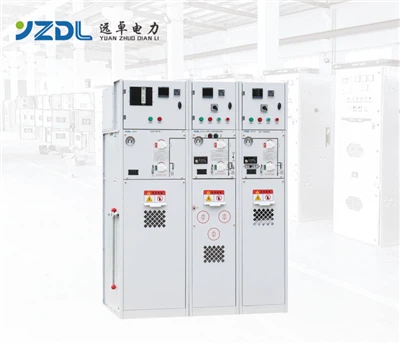
In conclusion, busbars are essential components in switchgear, performing a wide range of functions that are critical for the efficient, safe, and reliable operation of electrical systems. From electrical conductivity and power distribution to fault current handling, insulation, mechanical support, thermal management, flexibility, and monitoring, busbars play a central role in ensuring the proper functioning of switchgear.
Marine Electrical Panel As a switchgear supplier, we understand the importance of high – quality busbars in our products. We use the latest materials and manufacturing techniques to ensure that our busbars meet the highest standards of performance and reliability. If you are in the market for switchgear or need to upgrade your existing electrical system, we invite you to contact us for a detailed discussion. Our team of experts can provide you with customized solutions tailored to your specific requirements.
References
- Blackburn, J. L. (1998). Protective Relaying: Principles and Applications. Marcel Dekker.
- Grainger, J. J., & Stevenson, W. D. (1994). Power System Analysis. McGraw – Hill.
- IEEE Std 141 – 1993 (R2004), IEEE Recommended Practice for Electric Power Distribution for Industrial Plants.
Yuanzhuo Electrical Equipment (Jiangsu) Co., Ltd.
We’re well-known as one of the leading switchgear manufacturers and suppliers in China. We warmly welcome you to wholesale high quality switchgear at competitive price from our factory. If you have any enquiry about cooperation, please feel free to email us.
Address: Group 8, Chengdong Village, Fucheng Sub-district Office, Funing County
E-mail: markcheng1358@126.com
WebSite: https://www.yzdlchina.com/
