Testing the performance of ion exchange equipment is super important for us as an ion exchange equipment supplier. It helps us make sure that our gear is top – notch and meets the needs of our customers. In this blog, I’ll share some practical ways to test the performance of ion exchange equipment. Ion Exchange Equipment
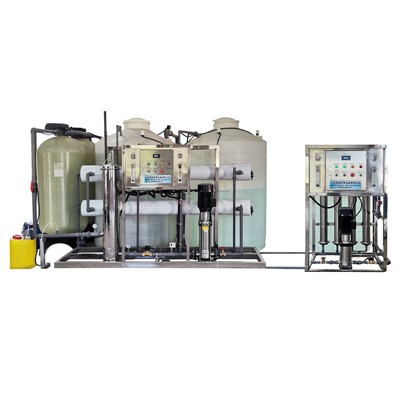
Understanding the Basics
Before we start testing, we need to have a clear understanding of what ion exchange equipment does. Ion exchange is a process where ions in a solution are exchanged for other ions that are bound to an ion – exchange resin. The equipment is used in various industries, such as water treatment, chemical processing, and pharmaceuticals, to remove or recover specific ions from solutions.
Parameters to Consider
There are several key parameters we need to look at when testing ion exchange equipment:
1. Exchange Capacity
The exchange capacity is one of the most important factors. It tells us how many ions the resin can exchange. To test this, we can take a sample of the resin and pass a known volume and concentration of a solution containing the target ions through it. After the resin is saturated, we analyze the solution to determine how many ions have been removed. For example, if we’re dealing with a water softening system that removes calcium and magnesium ions, we’ll measure the amount of these ions in the influent (the water going in) and the effluent (the water coming out) of the ion exchange column.
We can calculate the exchange capacity using the formula:
[ \text{Exchange Capacity} = \frac{(C_{in}-C_{out})\times V}{m} ]
where (C_{in}) is the concentration of the target ions in the influent, (C_{out}) is the concentration of the target ions in the effluent, (V) is the volume of the solution passed through the resin, and (m) is the mass of the resin.
2. Regeneration Efficiency
Regeneration is the process of restoring the ion – exchange capacity of the resin after it’s been saturated. To test regeneration efficiency, we first saturate the resin with the target ions. Then, we perform a regeneration process using a regenerant solution, usually a concentrated salt solution. After regeneration, we measure the exchange capacity of the resin again.
The regeneration efficiency can be calculated as the ratio of the exchange capacity after regeneration to the initial exchange capacity. A high regeneration efficiency means that the resin can be effectively regenerated and reused, which is cost – effective for our customers.
3. Flow Rate
The flow rate of the solution through the ion exchange equipment is also crucial. If the flow rate is too high, the ions may not have enough time to exchange with the resin, resulting in poor performance. On the other hand, if the flow rate is too low, the process may be inefficient.
We can test the flow rate by measuring the volume of the solution passing through the equipment in a given time. We can use a flow meter to get an accurate reading. During the test, we’ll also observe how the performance of the equipment changes with different flow rates. For example, we can measure the ion removal efficiency at different flow rates to find the optimal one for the specific application.
4. Pressure Drop
As the solution flows through the ion exchange column, there will be a pressure drop across the column. A high pressure drop may indicate problems such as resin fouling or clogging. We can measure the pressure at the inlet and the outlet of the column using pressure gauges.
If the pressure drop exceeds the normal range, we need to investigate the cause. It could be due to the accumulation of suspended solids, organic matter, or microbial growth on the resin. Regular monitoring of the pressure drop can help us detect and address these issues early.
Testing Procedures
Step 1: Pre – test Preparation
Before starting the test, we need to make sure the equipment is clean and in good working condition. We’ll check all the components, such as pumps, valves, and pipes, for any leaks or malfunctions. We’ll also prepare the necessary solutions, including the test solution containing the target ions and the regenerant solution.
Step 2: Baseline Measurements
We’ll start by taking baseline measurements of the influent solution. This includes measuring the concentration of the target ions, pH, temperature, and flow rate. These measurements will serve as a reference for comparing the performance of the equipment during the test.
Step 3: Running the Test
We’ll then start passing the test solution through the ion exchange equipment at a pre – determined flow rate. We’ll continuously monitor and record the parameters such as the effluent concentration of the target ions, pressure drop, and flow rate. We’ll run the test until the resin is saturated, which can be determined by an increase in the concentration of the target ions in the effluent.
Step 4: Regeneration
After the resin is saturated, we’ll perform a regeneration process. We’ll pass the regenerant solution through the equipment at a specific flow rate and for a certain period of time. During regeneration, we’ll also monitor the pressure drop and the quality of the waste regenerant solution.
Step 5: Post – test Measurements
After regeneration, we’ll repeat the test to measure the performance of the regenerated resin. We’ll compare the results with the baseline measurements and the initial test results to evaluate the regeneration efficiency and the overall performance of the equipment.
Troubleshooting
During the testing process, we may encounter some problems. Here are some common issues and how to solve them:
1. Low Exchange Capacity
If the exchange capacity is lower than expected, it could be due to resin degradation, fouling, or improper regeneration. We can inspect the resin for signs of degradation, such as color change or loss of physical integrity. If the resin is fouled, we can try cleaning it using appropriate cleaning agents. If the regeneration process is the problem, we can adjust the regenerant concentration, flow rate, or contact time.
2. High Pressure Drop
As mentioned earlier, a high pressure drop may be caused by fouling or clogging. We can backwash the resin bed to remove the accumulated solids. If the problem persists, we may need to replace the resin or clean the equipment more thoroughly.
3. Inefficient Regeneration
Inefficient regeneration can be due to improper regenerant selection, incorrect concentration, or insufficient contact time. We can optimize the regeneration process by adjusting these parameters based on the characteristics of the resin and the target ions.
Why Testing is Crucial for Our Customers
For our customers, testing the performance of ion exchange equipment is essential. It ensures that the equipment can effectively remove or recover the target ions, which is crucial for the quality of their products or processes. For example, in a water treatment plant, a well – performing ion exchange system can remove harmful ions and make the water safe for drinking or industrial use.
In addition, regular testing and maintenance can extend the lifespan of the equipment and reduce operational costs. By detecting and addressing problems early, our customers can avoid costly breakdowns and downtime.
Looking to Upgrade or Buy?
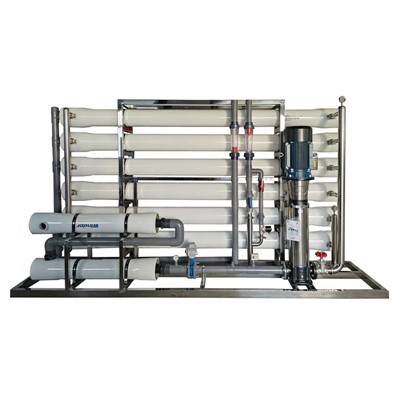
If you’re in the market for ion exchange equipment or looking to upgrade your existing setup, we’re here to help. Our team of experts can provide you with detailed information about our products and how to test and maintain them. We offer high – quality ion exchange equipment that is designed to meet the diverse needs of different industries.
RO Purified Water Equipment Whether you’re a small – scale operation or a large industrial facility, we have the right solution for you. We can also provide customized testing services to ensure that our equipment meets your specific requirements. So, if you’re interested in learning more or starting a purchase negotiation, don’t hesitate to reach out. We’re eager to work with you to find the best ion exchange solution for your business.
References
- Helfferich, F. (1962). Ion Exchange. McGraw – Hill.
- Crittenden, J. C., Trussell, R. R., Hand, D. W., Howe, K. J., & Tchobanoglous, G. (2012). Water Treatment: Principles and Design. John Wiley & Sons.
Shandong Yanuo Environmental Protection Equipment Co., Ltd.
We’re well-known as one of the leading ion exchange equipment manufacturers and suppliers in China, featured by quality products and good price. Please rest assured to buy bulk ion exchange equipment made in China here from our factory. Customized orders are welcome.
Address: North Side of the Road, 1,000 Meters West of the Intersection of Fenghuangshan West Road and Provincial Highway S102, Wangfu Subdistrict, Qingzhou City, Weifang City, Shandong Province.
E-mail: ynhb.499973983@gmail.com
WebSite: https://www.zkyaruo.com/
