As a trusted low voltage switchgear supplier, I’ve witnessed firsthand the importance of having high – quality spare parts for these critical electrical systems. Low voltage switchgear is the backbone of countless commercial, industrial, and residential electrical installations, protecting and controlling the flow of electricity. Ensuring that the necessary spare parts are readily available is crucial for maintaining the reliability, safety, and efficiency of these systems. In this blog, I’ll explore the key spare parts for low voltage switchgear and why they matter. Low Voltage Switchgear
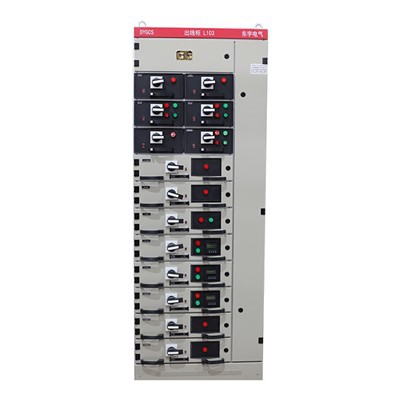
Circuit Breakers
Circuit breakers are perhaps the most vital component of low – voltage switchgear. They act as automatic switches that interrupt the flow of electrical current when a fault, such as an overload or a short – circuit, is detected. Over time, the contacts within a circuit breaker can wear out due to arcing during the switching process. This wear can lead to increased resistance, overheating, and potentially a failure to interrupt the circuit correctly when needed.
Regular replacement of contact tips can help extend the life of the circuit breaker. Additionally, the operating mechanism of a circuit breaker can also experience mechanical wear. Springs can lose their tension, and linkages can become loose or damaged. Spare parts for the operating mechanism, such as springs, latches, and linkage rods, are essential for restoring the breaker’s proper operation.
Fuses
Fuses are another important protective device in low – voltage switchgear. They contain a metal strip that melts when excessive current passes through it, thereby breaking the circuit. Unlike circuit breakers, fuses are single – use devices, and once they have blown, they need to be replaced. It’s essential for a low – voltage switchgear system to have an adequate supply of spare fuses of the correct rating.
Fuses come in different types, such as cartridge fuses and blade fuses, each designed for specific applications. The wrong type or rating of fuse can lead to ineffective protection or even cause damage to the electrical equipment. Therefore, having a stock of the right spare fuses ensures that any blown fuse can be quickly replaced, minimizing downtime.
Contactors
Contactors are electromechanical switches used to control the flow of electricity to motors, heaters, and other loads. They work by using an electromagnetic coil to close or open a set of contacts. The contacts in a contactor are subject to wear from the high – current switching operations.
Spare contacts for contactors are a must – have. When the contacts become worn, they may not make a proper electrical connection, leading to voltage drops, overheating, and reduced performance of the connected equipment. In addition to contact replacement, the electromagnetic coil in a contactor can also fail. A spare coil can be easily installed to restore the contactor’s functionality.
Relays
Relays are used in low – voltage switchgear for functions such as control, protection, and signaling. They are similar to contactors but are typically used for lower – current applications. Just like contactors, relays have contacts that can wear out over time.
Spare relay contacts can be replaced to maintain the proper operation of the relay. Additionally, the coil in a relay can fail, which is often due to overheating or short – circuit. Having spare relays on hand, or at least spare coils, can quickly address relay failures and ensure the continuity of the control and protection functions in the switchgear system.
Busbars
Busbars are conductors that distribute electrical power within the switchgear. They are usually made of copper or aluminum and are designed to carry high currents. Over time, busbars can be subject to corrosion, mechanical damage, or overheating.
Corrosion can increase the resistance of the busbar, leading to power losses and potential overheating. Spare busbar sections can be used to replace corroded or damaged parts. Additionally, if the switchgear needs to be upgraded or reconfigured, spare busbars can be used to change the power distribution layout.
Enclosures and Accessories
The enclosure of low – voltage switchgear protects the internal components from environmental factors, such as dust, moisture, and physical damage. Over time, the enclosure can be damaged by impacts, corrosion, or normal wear and tear.
Spare panels, doors, and gaskets for the enclosure are important for maintaining its integrity. Accessories such as cable glands, which provide a sealed entry point for cables, can also wear out or become damaged. Having spare cable glands and other accessories ensures that the switchgear remains properly sealed and protected.
Why Stocking Spare Parts is Crucial
Stocking the right spare parts for low – voltage switchgear offers several significant benefits. Firstly, it reduces downtime. In the event of a component failure, having a spare part readily available means that the switchgear can be quickly repaired and put back into operation. This is particularly important in industrial settings where production processes rely on a continuous supply of electricity.
Secondly, it enhances safety. Worn or damaged components can pose a safety hazard, such as electrical shocks or fires. By replacing these components with spare parts in a timely manner, the risk of accidents is significantly reduced.
Finally, it helps to extend the lifespan of the switchgear. Regular replacement of worn parts can prevent further damage to other components and ensure that the switchgear continues to operate efficiently for years to come.
How to Determine the Right Spare Parts
Determining the right spare parts for your low – voltage switchgear depends on several factors. Firstly, consider the type and model of the switchgear. Different manufacturers and models may have unique component designs and specifications. It’s important to refer to the manufacturer’s documentation to identify the correct spare parts.
Secondly, assess the operating conditions of the switchgear. If the switchgear is operating in a harsh environment, such as a high – humidity or dusty area, components may wear out more quickly, and a larger stock of spare parts may be required.
Finally, review the maintenance history of the switchgear. If certain components have a history of frequent failures, it may be wise to keep a larger quantity of those spare parts on hand.
Conclusion
As a low – voltage switchgear supplier, I understand the critical role that spare parts play in the reliable operation of these systems. From circuit breakers and fuses to contactors and relays, each component has its own set of potential failure points, and having the right spare parts available is essential.
Stocking spare parts reduces downtime, enhances safety, and extends the lifespan of the switchgear. When it comes to determining the right spare parts, factors such as the switchgear model, operating conditions, and maintenance history should be taken into account.

If you’re in need of high – quality spare parts for your low – voltage switchgear or want to discuss your specific requirements, I invite you to reach out to me for a procurement discussion. Together, we can ensure that your electrical systems are well – maintained and operate at their best.
Electric Vehicle Charger References
- ASTM International standards related to low – voltage switchgear components
- IEEE standards for electrical equipment and protection
- Manufacturer’s manuals for low – voltage switchgear and associated components
Zhejiang Dongyu Electric Co., Ltd.
As one of the most professional low voltage switchgear manufacturers and suppliers in China, we’re featured by quality products and good price. Please rest assured to buy customized low voltage switchgear made in China here from our factory. Also, pricelist is available.
Address: No.11 Baoqiao Road, Huaxi Industrial Park, Changxing County, Zhejiang Province
E-mail: dongyu178@163.com
WebSite: https://www.dongyuswitch.com/
