Yo, all you electronics enthusiasts and circuit wizards out there! I’m stoked to be here chatting with you about something super crucial in the world of toroidal inductors: how to shield them from external magnetic fields. As a supplier of top – notch toroidal inductors, I’ve seen firsthand the headaches that external magnetic interference can cause, and I’m here to drop some knowledge on how to tackle this issue head – on. Toroidal Inductor
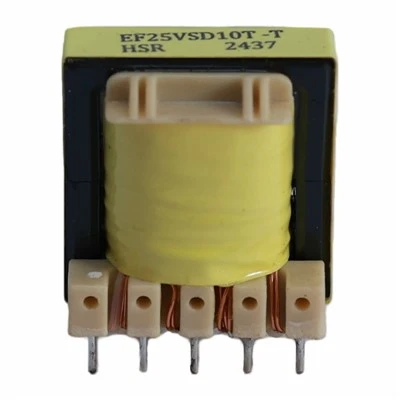
First off, let’s talk about why shielding a toroidal inductor is such a big deal. Toroidal inductors are these nifty little components that store energy in a magnetic field. They’re used in all sorts of stuff, from power supplies to audio equipment. But here’s the catch: external magnetic fields can mess up their performance big time. These outside fields can induce unwanted currents in the inductor, which leads to things like decreased efficiency, increased noise, and even malfunctions in the overall circuit.
Now, there are a few ways to shield a toroidal inductor, and I’ll break them down for you one by one.
Using Magnetic Shielding Materials
One of the most common methods is using magnetic shielding materials. These materials are designed to redirect the external magnetic fields around the inductor, kind of like a force field. The most popular choice for this is mu – metal. Mu – metal is an alloy that has a really high magnetic permeability. What that means is that it can easily absorb and conduct magnetic fields.
When you wrap a toroidal inductor with mu – metal, the external magnetic field gets attracted to the mu – metal instead of passing through the inductor. You can buy mu – metal in sheets or foils, and then cut and shape it to fit your inductor. It’s a bit tricky to work with, though, because you need to make sure there are no gaps or breaks in the shielding. Even a small gap can let the magnetic field leak through and mess things up.
Another option is soft iron. Soft iron is also a good magnetic shielding material. It’s more affordable than mu – metal and easier to work with in some cases. You can make a cage or a box out of soft iron and place the toroidal inductor inside. The soft iron will absorb and divert the external magnetic field, protecting the inductor.
Enclosure Design
The design of the enclosure that holds the toroidal inductor also plays a huge role in shielding. When you’re designing or choosing an enclosure, you want to make sure it’s made of a good conductive material. Metals like aluminum or steel are great choices.
An enclosure acts like a Faraday cage. It blocks the external magnetic fields from reaching the inductor. But it’s not just about the material; the shape of the enclosure matters too. A well – designed enclosure should completely surround the inductor, with no openings or weak points. You also need to make sure the enclosure is properly grounded. Grounding helps to dissipate any stray charges that might be induced by the external magnetic field, further protecting the inductor.
Placement and Orientation
Believe it or not, where you place the toroidal inductor and how you orient it can make a big difference in terms of shielding. Try to keep the inductor away from other sources of magnetic fields, like transformers or motors. These devices can generate strong magnetic fields that can interfere with the inductor.
Also, the orientation of the inductor matters. If you can orient the inductor so that its magnetic field axis is perpendicular to the direction of the external magnetic field, it can reduce the amount of interference. It’s like positioning a shield to block the incoming arrows.
Shielding Coating
There are also shielding coatings available in the market. These coatings are usually made of conductive polymers or metal – filled paints. You can apply these coatings directly to the toroidal inductor or its enclosure.
The shielding coating creates a thin conductive layer that can reflect or absorb the external magnetic fields. It’s a relatively easy and cost – effective way to add an extra layer of protection. However, the effectiveness of the coating depends on its thickness and the quality of the application. You need to follow the manufacturer’s instructions carefully when applying the coating to get the best results.
Ferromagnetic Sleeves
Ferromagnetic sleeves are another option for shielding toroidal inductors. These sleeves are made of a ferromagnetic material and can be slipped over the inductor. They work by concentrating the external magnetic field lines within the sleeve, preventing them from reaching the inductor.
Ferromagnetic sleeves are easy to install and can be a great solution for smaller toroidal inductors. They come in different sizes and materials, so you can choose the one that best suits your needs.
As a toroidal inductor supplier, I’ve worked with a lot of customers who’ve faced issues with external magnetic interference. And by using these shielding techniques, we’ve been able to solve their problems and improve the performance of their circuits.
If you’re in the market for high – quality toroidal inductors and need some advice on shielding them, don’t hesitate to reach out. Whether you’re working on a small DIY project or a large – scale industrial application, I’m here to help you find the right solutions.
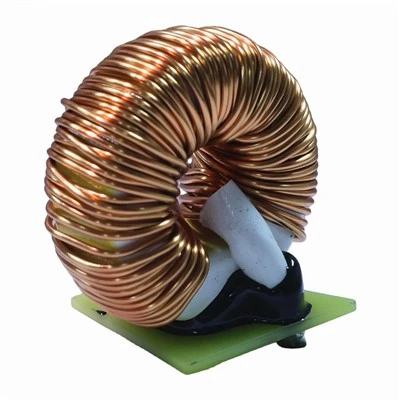
So, if you’re interested in learning more or want to discuss your specific requirements, just drop me a line. We can talk about the best toroidal inductors for your project and how to shield them effectively. Let’s work together to make your circuits run smoothly and efficiently, free from the hassle of external magnetic interference.
Low-voltage Transformer References
- "Magnetic Shielding Handbook" by Arnold Magnetics
- "Electromagnetic Compatibility Engineering" by Henry W. Ott
- Various technical documents from inductor and shielding material manufacturers
Dongguan Hensiron Electric Co., Ltd.
As one of the most professional toroidal inductor suppliers in China, we have world-leading production equipment and strong manufacturing capabilities. Please feel free to buy high quality toroidal inductor made in China here from our factory. Customized orders are welcome.
Address: Building 4, Xinxing Industrial Zone, Wangao Road, Wanjiang Street, Dongguan City, China
E-mail: jessica@dghensiron.com
WebSite: https://www.dghensiron.com/
