Yo! I’m a supplier of PPR water pipes, and I often get asked this question: Are PPR water pipes affected by chemicals in water? It’s a super important topic, especially when it comes to ensuring the safety and longevity of water supply systems. So, let’s dive right in and break it down. PPR Water Pipe

First off, what are PPR water pipes? PPR stands for Random Polypropylene Copolymer. These pipes are widely used in residential and commercial plumbing systems because they’re lightweight, easy to install, and have great insulation properties. They’re also resistant to corrosion, which is a huge plus in the plumbing world.
Now, onto the big question: chemicals in water. Our water isn’t just pure H2O. It’s got all sorts of stuff mixed in, depending on where it comes from and what it’s been through. Common chemicals you’ll find in water include chlorine, fluoride, and sometimes trace amounts of heavy metals like lead and copper. Plus, there can be all kinds of other contaminants, like pesticides and fertilizers if the water source is near agricultural areas.
Let’s start with chlorine. Chlorine is added to water as a disinfectant to kill bacteria and other harmful microorganisms. It’s been a standard practice for ages and has saved countless lives by preventing water – borne diseases. But here’s the thing: chlorine is a strong oxidizing agent. Strong oxidizers have the potential to break down organic materials over time. So, does it affect PPR pipes?
The good news is that PPR pipes are generally pretty resistant to chlorine. They’ve got a chemical structure that can withstand the oxidative power of chlorine to a large extent. Tests have shown that PPR pipes can handle the normal levels of chlorine found in municipal water supplies without significant degradation. That’s why PPR pipes are a popular choice for water distribution systems in areas with chlorinated water.
Fluoride is another common chemical in water. It’s added to promote dental health, and in proper amounts, it’s generally safe for humans. But does it have any impact on PPR pipes? Well, fluoride is a bit more complicated. Some studies suggest that in very high concentrations, fluoride can react with the surface of PPR pipes over a long period. However, the levels of fluoride in drinking water are carefully regulated in most countries. So, under normal circumstances, you don’t have to worry too much about fluoride damaging your PPR pipes.
Heavy metals are a different story. Lead, for example, is extremely toxic to humans, and even small amounts can cause serious health problems. Copper can also be an issue, especially in high concentrations. But here’s the deal: PPR pipes don’t leach heavy metals into the water, which is a major advantage over metal pipes. And they’re also pretty resistant to the corrosive effects of heavy metals in water. So, if you’re worried about heavy metal contamination in your water supply, PPR pipes can actually be a great solution.
What about other contaminants like pesticides and fertilizers? These are often present in trace amounts in surface water sources. While PPR pipes aren’t specifically designed to deal with these substances, they do offer a certain level of protection. The smooth inner surface of PPR pipes makes it difficult for contaminants to stick and accumulate. And since PPR is a non – reactive material, it’s less likely to form chemical bonds with these contaminants.
Now, I should mention that while PPR pipes are generally resistant to chemicals in water, extreme conditions can still pose a problem. For example, if you’ve got water with a very high pH level (either very acidic or very basic), it could potentially affect the PPR pipes over time. High – temperature water can also accelerate any chemical reactions that might occur. So, it’s important to make sure your plumbing system is designed to handle the specific conditions of your water supply.
One thing to keep in mind is that the quality of the PPR pipes matters a lot. There are some low – quality PPR pipes out there that might not have the same level of chemical resistance. That’s why it’s crucial to buy from a reputable supplier. As a PPR water pipe supplier, I take pride in offering high – quality pipes that have been thoroughly tested for chemical resistance.
So, in conclusion, PPR water pipes are a reliable choice when it comes to dealing with chemicals in water. Under normal conditions, they can withstand the common chemicals found in municipal water supplies without any major issues. However, it’s always a good idea to be aware of the specific conditions of your water and take appropriate measures to protect your plumbing system.
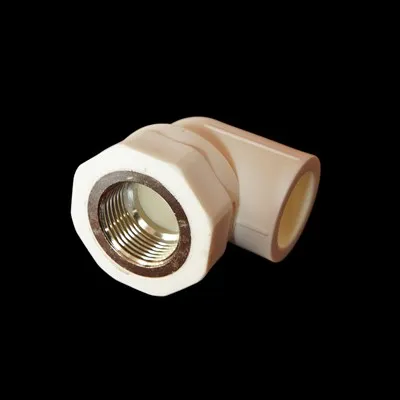
If you’re in the market for PPR water pipes, whether it’s for a small home renovation or a large commercial project, I’d love to have a chat. Let’s talk about your needs and find the best PPR pipe solutions for you. Drop me a message, and we can start the conversation.
PVC Conduit References
- ASTM International standards on PPR pipe materials
- Reports from National Sanitation Foundation on water pipe safety
- Research papers on the chemical resistance of PPR pipes in various water conditions
Hebei Ruijie Pipe Industry Co., Ltd.
Address: Industrial Park, Shaozhuang Township, Suning County, Cangzhou City, Hebei Province
E-mail: 1987870474@qq.com
WebSite: https://www.rjpprpipe.com/
