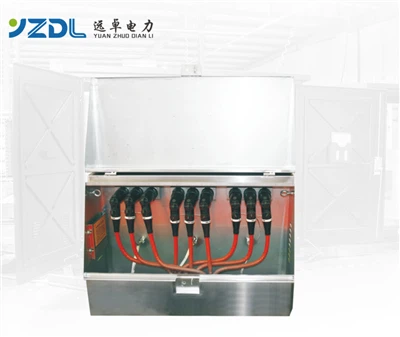
Pad mounted substations are crucial components in electrical distribution systems, providing reliable power supply to various facilities such as commercial buildings, industrial complexes, and residential areas. As a supplier of pad mounted substations, I understand the importance of installation clearances to ensure the safety, performance, and longevity of these essential pieces of equipment. In this blog post, I will delve into the key factors and requirements for determining the installation clearances for a pad mounted substation. Pad Mounted Substation
Understanding the Basics of Pad Mounted Substations
Before discussing the installation clearances, it is essential to have a basic understanding of what a pad mounted substation is and how it operates. A pad mounted substation is a self – contained, outdoor electrical distribution unit that typically houses transformers, circuit breakers, switches, and other electrical components. It is designed to step down high – voltage power from the utility grid to a lower voltage suitable for end – user consumption.
Pad mounted substations are mounted on a concrete pad, which provides a stable foundation and isolation from the ground. They are enclosed in a weather – resistant cabinet, protecting the internal components from environmental factors such as rain, snow, dust, and UV radiation.
Safety Considerations for Installation Clearances
Safety is the primary concern when determining the installation clearances for a pad mounted substation. Adequate clearances are necessary to prevent electrical hazards, such as electric shock, arc flash, and fire, and to allow for safe operation and maintenance.
-
Electrical Clearances: Electrical clearances refer to the minimum distance between live electrical parts and other conductive or non – conductive materials. These clearances are determined by the voltage level of the substation and the applicable electrical codes and standards. For example, in a typical medium – voltage pad mounted substation (e.g., 11 kV or 25 kV), the electrical clearances between phase conductors and between phase conductors and ground should be in accordance with the relevant national or international standards, such as the IEEE 693 standard for substation grounding.
-
Fire Safety: Pad mounted substations contain electrical equipment that can generate heat and may pose a fire risk. Therefore, sufficient clearances must be maintained to prevent the spread of fire to adjacent structures or equipment. The fire – resistant properties of the substation enclosure and the surrounding area also need to be considered. For instance, keeping a certain distance from combustible materials like nearby buildings with wooden structures or storage areas for flammable substances is crucial.
-
Access and Egress: Clearances are required to provide safe access and egress for maintenance personnel. There should be enough space around the substation to allow for the opening of doors, removal of panels, and the use of tools and equipment. In addition, a clear path should be maintained to the substation for emergency evacuation in case of an accident.
Environmental Factors Affecting Installation Clearances
The environment in which the pad mounted substation is installed can have a significant impact on the required clearances.
-
Wind and Weather Conditions: In areas with high wind speeds, the substation may be subject to wind – induced forces. Sufficient clearance should be provided to prevent the substation from coming into contact with nearby objects or structures during strong winds. Additionally, in areas prone to heavy snowfall or ice accumulation, extra clearance may be necessary to accommodate the build – up of snow and ice on the substation and its surroundings.
-
Vegetation: Vegetation near the pad mounted substation can cause problems such as interference with the substation’s ventilation system, damage to the enclosure, and increased fire risk. There should be a certain distance between the substation and any trees, shrubs, or grass to prevent these issues. Regular trimming of vegetation in the vicinity of the substation is also recommended.
Regulatory Requirements for Installation Clearances
Different regions and countries have specific regulations and codes governing the installation of pad mounted substations. These regulations are typically designed to ensure the safety and reliability of the electrical system.
-
National and Local Codes: For example, in the United States, the National Electrical Code (NEC) provides guidelines for the installation of electrical equipment, including pad mounted substations. Local building codes may also have additional requirements related to setbacks, clearances, and safety features. In other countries, similar national or regional codes exist, such as the IEC (International Electrotechnical Commission) standards in many parts of the world.
-
Utility Requirements: Electric utility companies often have their own requirements for the installation of pad mounted substations. These requirements may include minimum clearances from utility lines, transformers, and other electrical infrastructure. Utility companies may also require approval of the substation installation plan before construction can begin.
Determining the Specific Installation Clearances
The specific installation clearances for a pad mounted substation depend on several factors, including the size and type of the substation, the voltage level, the location, and the applicable codes and standards.
-
Manufacturer’s Recommendations: As a supplier, we provide detailed installation instructions and recommendations for our pad mounted substations. These recommendations take into account the design and engineering of the substation and are based on industry best practices and safety standards. However, it is important to note that these recommendations should be complemented by local regulatory requirements.
-
Site – Specific Assessments: A professional electrical engineer or a qualified installer should conduct a site – specific assessment to determine the exact installation clearances. This assessment may involve factors such as the topography of the site, the proximity to other buildings and electrical equipment, and the potential for future expansion.
For example, if the pad mounted substation is located in a crowded urban area with limited space, the engineer may need to work within the constraints of the site while still ensuring compliance with safety and regulatory requirements. On the other hand, in a rural area with ample space, more generous clearances may be possible.
Importance of Adhering to Installation Clearances
Adhering to the appropriate installation clearances is of utmost importance for several reasons.
-
Safety: As mentioned earlier, proper clearances reduce the risk of electrical hazards, fires, and other accidents. Ensuring the safety of personnel working on or near the substation and the general public is a top priority.
-
Performance: Adequate clearances allow for proper ventilation of the substation, which helps to keep the internal components at an optimal operating temperature. This can improve the performance and reliability of the substation and extend its service life.
-
Compliance: By following the regulatory requirements and installation clearances, you can avoid potential legal issues and fines. It also ensures that the substation meets the standards for grid connection and operation.
Contact Us for Your Pad Mounted Substation Needs
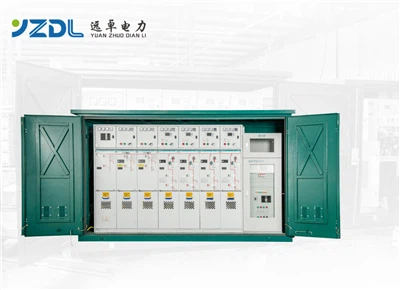
As a trusted supplier of pad mounted substations, we have extensive experience in providing high – quality products that meet the highest safety and performance standards. Our team of experts can assist you in determining the appropriate installation clearances for your specific project and ensuring that the installation is carried out in compliance with all applicable regulations.
Switchgear If you are considering purchasing a pad mounted substation or have any questions about installation clearances, we encourage you to contact us. Our dedicated sales team is ready to engage in in – depth discussions with you, understand your requirements, and offer customized solutions.
References
- IEEE 693 – IEEE Recommended Practice for Seismic Design of Substations.
- National Electrical Code (NEC) – NFPA 70.
- International Electrotechnical Commission (IEC) standards related to electrical installations and substations.
Yuanzhuo Electrical Equipment (Jiangsu) Co., Ltd.
We’re well-known as one of the leading pad mounted substation manufacturers and suppliers in China. We warmly welcome you to wholesale high quality pad mounted substation at competitive price from our factory. If you have any enquiry about cooperation, please feel free to email us.
Address: Group 8, Chengdong Village, Fucheng Sub-district Office, Funing County
E-mail: markcheng1358@126.com
WebSite: https://www.yzdlchina.com/
