Hey there! I’m a supplier of agriculture bearings, and I know how crucial it is to choose the right ones for your harvesting machinery. It can be a bit of a hassle, but don’t worry, I’m here to break it down for you in a way that’ll make the whole process a piece of cake. Agriculture Bearings
Understanding Your Machinery’s Needs
First things first, you gotta know what your harvesting machinery requires. Different machines have different operating conditions, and these can really affect the type of bearing you should go for.
For example, combines are big players in the harvesting game. They work long hours, often in dusty and dirty environments. The bearings in a combine need to be tough as nails. They have to handle high loads from the cutting and threshing processes, and also deal with vibrations. So, you’ll want bearings that are well – sealed to keep out dirt and debris.
On the other hand, smaller machines like berry harvesters operate in a different context. They may not have as high of a load, but they still need precision. These machines often move quickly and need bearings that can provide smooth rotation. So, precision is key here. You need to think about the size of the machinery too. Bigger machines generally need larger bearings to handle the weight and forces involved.
Bearing Types and Their Advantages
Let’s talk about the different types of agriculture bearings you might encounter.
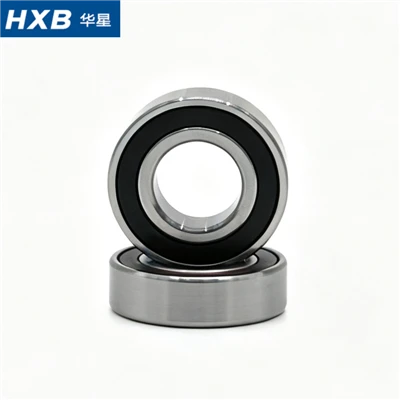
Ball bearings are a common choice. They’re great for high – speed applications and can handle both radial and axial loads to some extent. In a harvesting machine, if you have parts that spin quickly, like a fan or a belt pulley, ball bearings are a go – to. They’re relatively inexpensive, and they have low friction, which means your machine will be more energy – efficient.
Roller bearings, on the other hand, are better for heavy – load applications. They can handle much larger radial loads compared to ball bearings. When you’ve got a big grain conveyor in your harvesting setup, roller bearings are the ones to use. They distribute the load over a larger area, reducing wear and tear on the bearing and the surrounding parts.
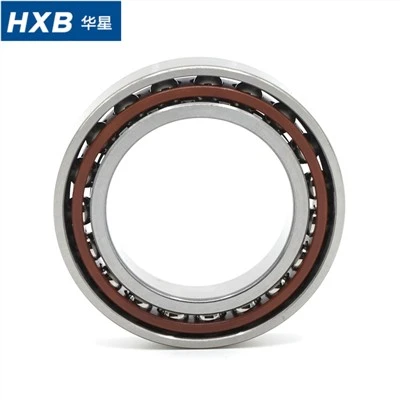
Tapered roller bearings are another option. They’re designed to handle both large radial and axial loads at the same time. In a harvesting machine’s gearbox, where you have complex forces acting in different directions, tapered roller bearings are ideal.
Material Matters
The material of the bearing is super important. Most of the time, you’ll see bearings made from steel. High – quality chrome steel is a popular choice because it’s hard, durable, and can withstand a lot of stress. But there are also other materials out there.
Ceramic bearings are becoming more and more common. They’re lighter than steel bearings, and they have better heat resistance. In a harvesting machine that generates a lot of heat, like one with a high – speed engine component, ceramic bearings can be a great option. They also have lower friction, which can lead to longer – lasting performance.
Bronze bearings are often used in applications where there’s a lot of sliding or where the environment is a bit more corrosive. They’re self – lubricating to some extent, which can be really handy in a harvesting setting where maintenance might not always be top – of – the – line.
Sealing and Lubrication
Sealing is a big deal when it comes to agriculture bearings. As I mentioned earlier, harvesting machinery often operates in dirty environments. A good seal will keep dirt, dust, and moisture out of the bearing. This helps prevent premature wear and failure.
There are different types of seals, such as rubber seals, metal shields, and labyrinth seals. Rubber seals are great for providing a tight barrier against contaminants. Metal shields are more rigid and can offer some protection while still allowing some ventilation. Labyrinth seals use a complex design to keep out debris without completely blocking airflow.
Lubrication is also crucial. Bearings need proper lubrication to reduce friction, dissipate heat, and prevent corrosion. Grease is a common lubricant for agriculture bearings. It’s easy to apply and can stay in place for a long time. But you need to choose the right type of grease. For example, if your machine operates in a high – temperature environment, you’ll need a high – temperature grease. And if it’s in a wet or humid area, a water – resistant grease is a must.
Quality and Brand
You might be tempted to go for the cheapest bearings out there, but trust me, quality matters. A high – quality bearing will last longer, reduce the risk of breakdowns, and ultimately save you money in the long run.
When it comes to brands, there are some well – known names in the industry. But don’t just go by the brand name alone. Look for bearings that have good reviews from other farmers or machinery operators. You can also ask for samples from different suppliers to test them out in your own machines.
Maintenance Considerations
Even the best bearings need some maintenance. Regular inspection is key. You should check for signs of wear, such as excessive play, noise, or heat. If you notice any of these issues, it might be time to replace the bearing.
Cleaning the bearings and their surrounding areas can also extend their lifespan. Make sure to remove any dirt or debris that might have accumulated. And of course, keep up with the lubrication schedule.
Cost – Benefit Analysis
When choosing agriculture bearings, you need to do a cost – benefit analysis. Sure, high – end bearings might cost more upfront, but they can save you money on repairs and downtime. On the other hand, if you’re on a tight budget, you might have to look for more affordable options. But always keep in mind that the cheapest option isn’t always the best in the long run. You need to balance the initial cost with the long – term performance and durability of the bearing.
Making the Right Decision
So, how do you make the final decision on which agriculture bearings to choose for your harvesting machinery?
- Assess Your Needs: Take a good look at your machine’s operating conditions, load requirements, and speed. This will help you narrow down the type of bearing you need.
- Research: Look into different bearing types, materials, and brands. Read reviews and talk to other farmers or machinery experts.
- Get Quotes: Contact different suppliers, including yours truly, and get quotes. Compare the prices and what’s included in the deal, such as warranties or after – sales support.
- Test if Possible: If you can, get sample bearings and test them in your machines. This will give you a first – hand idea of how they perform.
By following these steps, you’ll be well on your way to choosing the right agriculture bearings for your harvesting machinery.
Motorcycle Bearings If you’re in the market for high – quality agriculture bearings, I’d love to help you out. Whether you need advice on which bearings are best for your specific machine or you’re ready to place an order, feel free to get in touch. We can have a chat about your needs and find the perfect bearings for your harvesting equipment. Purchasing the right bearings can make a huge difference in the performance and longevity of your machinery, so don’t hesitate to reach out.
References
- Agricultural Machinery Handbook.
- Bearings: Principles, Design, and Applications.
- Industry reports on agriculture bearings.
Hangzhou Huaxing Kechuang Holding Group Co., Ltd.
Hangzhou Huaxing Kechuang Holding Group Co., Ltd. is one of the leading manufacturers and suppliers of agriculture bearings in China, featured by quality products and good service. Please rest assured to buy bulk durable agriculture bearings from our factory. Welcome to view our website for more information.
Address: No.553 Yingbin Road, Linping, Hangzhou, 311100, China
E-mail: wmb@huaxingbearing.com
WebSite: https://www.hxbbearing.com/
