Ferroalloys are essential components in various industries, playing a crucial role in enhancing the properties of metals and alloys. As a ferroalloy supplier, I’ve witnessed firsthand the importance of choosing the right ferroalloy for specific applications. This process is not just about understanding the basic properties of ferroalloys but also about analyzing the requirements of each unique application. Ferroalloy
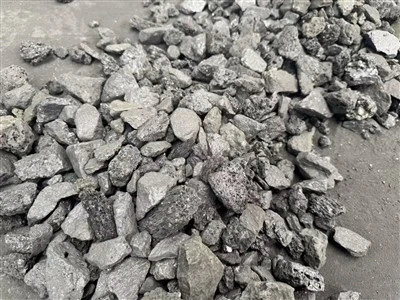
Understanding Ferroalloys
Before delving into the selection process, it’s essential to understand what ferroalloys are. Ferroalloys are alloys of iron with a high proportion of one or more other elements such as manganese (Mn), silicon (Si), chromium (Cr), and nickel (Ni). They are used primarily in the production of steel and other metals to improve their mechanical properties, including strength, hardness, and corrosion resistance.
For example, ferromanganese is a widely used ferroalloy that contains varying amounts of manganese and iron. Manganese enhances the strength and toughness of steel, making it suitable for applications where high strength is required, such as in the construction of bridges and high – rise buildings.
Factors to Consider When Choosing a Ferroalloy
1. Application Requirements
The most important factor in choosing a ferroalloy is the specific requirements of the application. For instance, in the automotive industry, where lightweight and high – strength materials are in demand, ferrochromium can be an excellent choice. Chromium increases the corrosion resistance and hardness of steel, making it ideal for manufacturing engine components and body parts.
In the electrical industry, ferrosilicon is often used. Silicon improves the electrical resistivity of steel, reducing eddy current losses in transformers and electric motors. This property makes ferrosilicon – containing steel an essential material for electrical equipment.
2. Chemical Composition
The chemical composition of a ferroalloy directly affects its performance. Different ferroalloys have different levels of alloying elements, and these levels can significantly impact the properties of the final product. For example, high – carbon ferrochrome contains a relatively high percentage of carbon, which can increase the hardness of the steel but may also reduce its ductility. In contrast, low – carbon ferrochrome is preferred when ductility is a critical requirement.
When selecting a ferroalloy, it’s necessary to carefully analyze the chemical composition requirements of the application. This may involve working closely with a metallurgist or a materials engineer to ensure that the chosen ferroalloy meets all the necessary specifications.
3. Cost – Effectiveness
Cost is always a significant consideration in any business decision. While it’s important to choose a high – quality ferroalloy that meets the application requirements, it’s also essential to consider the cost – effectiveness. Some ferroalloys may be more expensive due to their scarcity or the complexity of the production process.
For example, ferrovanadium is a relatively expensive ferroalloy because vanadium is a rare element. However, its addition to steel can provide significant improvements in strength and toughness, which may justify the higher cost in certain high – performance applications. In other cases, where cost is a major constraint, alternative ferroalloys may be considered, as long as they can still meet the basic requirements of the application.
4. Availability and Supply Chain
The availability of a ferroalloy is another crucial factor. A reliable supply chain is essential to ensure a continuous production process. Some ferroalloys are produced in specific regions of the world, and geopolitical issues, natural disasters, or other factors may disrupt the supply.
As a ferroalloy supplier, I understand the importance of maintaining a stable supply chain. We work closely with our production partners to ensure that we can provide a consistent supply of high – quality ferroalloys to our customers. When choosing a ferroalloy, customers should also consider the supplier’s ability to meet their long – term requirements.
Common Types of Ferroalloys and Their Applications
1. Ferromanganese
Ferromanganese is one of the most commonly used ferroalloys. It is used in the production of carbon steel, stainless steel, and alloy steel. In carbon steel production, ferromanganese helps to deoxidize the steel and removes sulfur impurities, improving the quality and workability of the steel.
In stainless steel production, ferromanganese can partially replace nickel, which is a more expensive element. This substitution helps to reduce the cost of stainless steel production while maintaining its corrosion – resistant properties. Ferromanganese is also used in the production of manganese – alloyed steels, which are known for their high strength and wear resistance.
2. Ferrosilicon
Ferrosilicon is widely used in the steelmaking industry as a deoxidizer and an alloying agent. It helps to remove oxygen from molten steel, preventing the formation of oxides that can reduce the quality of the steel. Silicon in ferrosilicon also improves the strength, hardness, and corrosion resistance of steel.
In addition to the steel industry, ferrosilicon is used in the chemical industry for the production of silicon – based chemicals. It can also be used in the foundry industry to improve the fluidity of molten metal, making it easier to cast complex shapes.
3. Ferrochromium
Ferrochromium is primarily used in the production of stainless steel and other high – alloy steels. Chromium provides excellent corrosion resistance to steel, making it suitable for applications in harsh environments, such as in the chemical, petrochemical, and food processing industries.
High – carbon ferrochromium is used for the production of high – carbon stainless steels, which are known for their high hardness and wear resistance. Low – carbon ferrochromium is used for the production of low – carbon stainless steels, which have better ductility and weldability.
4. Ferronickel
Ferronickel is an important ferroalloy used in the production of stainless steel and nickel – based alloys. Nickel enhances the corrosion resistance, strength, and ductility of steel. It also improves the toughness of steel at low temperatures, making it suitable for applications in cold environments.
In the production of nickel – based alloys, ferronickel is used to adjust the nickel content of the alloy, ensuring that it meets the specific requirements of the application. These alloys are widely used in aerospace, power generation, and chemical processing industries.
Case Studies
Case Study 1: Construction Industry
In a large – scale bridge construction project, the engineers needed to select a ferroalloy to improve the strength and durability of the steel used in the bridge’s structural components. After careful consideration of the application requirements, cost – effectiveness, and availability, they chose ferromanganese.
Ferromanganese was added to the steel during the production process, which helped to deoxidize the steel and remove sulfur impurities. The resulting steel had higher strength and toughness, meeting the strict requirements of the bridge construction. The choice of ferromanganese not only ensured the quality of the bridge but also kept the production cost within an acceptable range.
Case Study 2: Electrical Equipment Manufacturing
A manufacturer of electric motors was looking for a material to reduce the eddy current losses in its motors. After analyzing the properties of different ferroalloys, they decided to use ferrosilicon – containing steel.
The silicon in ferrosilicon increased the electrical resistivity of the steel, effectively reducing the eddy current losses in the motors. This improvement in efficiency made the motors more competitive in the market, and the choice of ferrosilicon – containing steel was a key factor in the manufacturer’s success.
Conclusion
Choosing the right ferroalloy for a specific application is a complex process that requires careful consideration of multiple factors. As a ferroalloy supplier, I’m committed to providing our customers with the most suitable ferroalloys based on their unique requirements.

We understand that each application has its own set of challenges, and we work closely with our customers to analyze their needs and recommend the best ferroalloy solutions. Whether it’s for the construction, automotive, electrical, or any other industry, we have the expertise and resources to ensure that you get high – quality ferroalloys that meet your expectations.
Off-grade Silicon If you are in the process of selecting a ferroalloy for your specific application or if you have any questions about our products, please don’t hesitate to contact us. We are looking forward to discussing your requirements and working together to find the most appropriate ferroalloy solutions for your business.
References
- "The Making, Shaping and Treating of Steel", Association for Iron & Steel Technology.
- "Metallurgy for the Non – Metallurgist", John Wiley & Sons.
- "Handbook of Ferroalloys", Springer.
Anyang Baitengxin Metal Co., Ltd.
As one of the most professional ferroalloy manufacturers in China, we have world-leading production equipment and strong manufacturing capabilities. Please feel free to buy high quality ferroalloy for sale here from our factory. Good service and reasonable price are available.
Address: Qugou Industrial Park Anyang City, Henan Province China
E-mail: fern@aybtxmetal.com
WebSite: https://www.aybtx-metal.com/
