Hey there! I’m a supplier of valve parts, and I’ve been in this industry for quite a while. Over the years, I’ve learned a thing or two about what it takes to manufacture high – quality valve parts. In this blog, I’m gonna share with you the standards for valve parts manufacturing. Valve Parts

Material Selection
The first and most crucial standard in valve parts manufacturing is material selection. You can’t just use any old material and expect the valve parts to work well. Different applications require different materials.
For example, if the valve is going to be used in a high – temperature environment, you need a material that can withstand the heat. Stainless steel is a popular choice in many cases. It’s corrosion – resistant and can handle high temperatures. But not all stainless steels are the same. There are different grades, like 304 and 316. Grade 316 is more resistant to corrosion, especially in marine or chemical – rich environments.
If the valve is for a water – based system, brass can be a good option. It’s relatively inexpensive, easy to machine, and has good corrosion resistance in water. But if the water has a high level of acidity or alkalinity, you might need to choose a different material.
We always make sure to understand the customer’s application before we select the material. We do a lot of research and testing to pick the right one. And we source our materials from reliable suppliers to ensure their quality.
Dimensional Accuracy
Another super important standard is dimensional accuracy. Valve parts need to fit together perfectly. Even a tiny deviation in size can cause big problems.
Let’s say you’re manufacturing a valve seat. If it’s a bit too big or too small, it won’t seal properly. That can lead to leaks, which can be dangerous in some applications, like in a chemical plant or an oil refinery.
We use advanced machining techniques and precision tools to ensure the dimensional accuracy of our valve parts. Computer – Numerical – Control (CNC) machines are a game – changer in this industry. They can cut and shape the parts with extremely high precision. And after the machining process, we use measuring tools like calipers, micrometers, and coordinate measuring machines (CMMs) to check the dimensions. If any part doesn’t meet the required specifications, we re – machine it or scrap it. We don’t want to send out sub – standard parts to our customers.
Surface Finish
The surface finish of valve parts also matters a lot. A smooth surface can reduce friction, which means the valve will operate more efficiently. It can also prevent the build – up of dirt and debris, which can affect the performance of the valve.
For example, in a ball valve, the ball needs to have a very smooth surface. If it’s rough, it won’t rotate easily inside the valve body, and it can cause wear and tear over time.
We use different methods to achieve the right surface finish. One common method is grinding. Grinding can remove any rough edges and make the surface smooth. Polishing is another option. It can give the part an even smoother and shinier finish. We also pay attention to the roughness parameters. Usually, we aim for a surface roughness that meets the industry standards for the specific type of valve part.
Heat Treatment
Heat treatment is often used in valve parts manufacturing to improve the mechanical properties of the material. For instance, if you heat – treat a steel valve part, you can make it harder and more wear – resistant.
There are different types of heat treatment processes, such as annealing, quenching, and tempering. Annealing is used to soften the material and relieve internal stresses. Quenching makes the material very hard, but it can also make it brittle. That’s why tempering is often done after quenching. Tempering reduces the brittleness and improves the toughness of the material.
We carefully control the heat treatment process. We use temperature – controlled furnaces and follow strict time schedules. Any mistake in the heat treatment process can ruin the mechanical properties of the part, so we make sure to do it right.
Quality Control
Quality control is the backbone of valve parts manufacturing. We have a comprehensive quality control system in place.
First, we inspect the raw materials when they arrive at our factory. We check the material certificates and do some basic tests to ensure the quality.
During the manufacturing process, we have in – process inspections. Our quality control staff checks the parts at different stages of production. They look for any signs of defects, like cracks, porosity, or incorrect dimensions.
After the parts are finished, we do a final inspection. We use a combination of visual inspection and non – destructive testing (NDT) methods. NDT methods include ultrasonic testing, magnetic particle testing, and dye penetrant testing. These methods can detect internal defects that might not be visible to the naked eye.
Only after a part passes all the inspections do we consider it ready to be shipped to the customer.
Assembly and Testing
Once all the individual valve parts are manufactured and pass inspection, it’s time for assembly. Assembly is not just about putting the parts together; it also requires following specific procedures.
Each part needs to be installed in the right position and tightened to the correct torque. For example, when assembling a valve body and a bonnet, if the bolts are not tightened evenly, it can cause an uneven seal and lead to leaks.
After assembly, we test the valves. We do different types of tests depending on the application. For a pressure – relief valve, we test its opening and closing pressure. For a flow – control valve, we test its flow rate and regulation accuracy.
We use a test bench in our factory to simulate the actual working conditions. We make sure the valves meet the customer’s performance requirements before we send them out.
Traceability
Traceability is an important standard in valve parts manufacturing. We need to be able to track every part from the raw material stage to the final product.
We use a unique identification system for each part. This system records information like the batch number of the raw material, the date of manufacture, the machining parameters, and the inspection results.
If there’s ever a problem with a valve part in the field, we can quickly trace back to its origin. This helps us identify the root cause of the problem and take corrective actions. It also gives our customers peace of mind knowing that we can be accountable for the quality of our products.
Compliance with Standards
Valve parts manufacturing needs to comply with various industry standards. There are international standards like ISO (International Organization for Standardization) and national standards like ASME (American Society of Mechanical Engineers).
These standards cover everything from material specifications to testing methods. We make sure that all our valve parts comply with the relevant standards. This not only ensures the quality of our products but also makes it easier for our customers to use our parts in their systems.
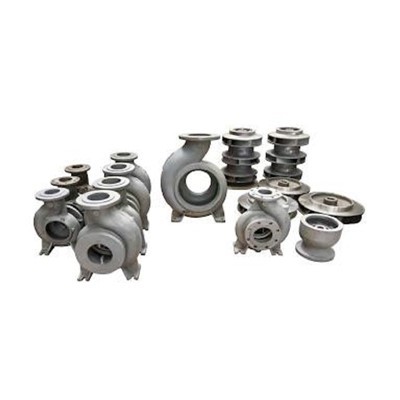
In conclusion, manufacturing high – quality valve parts is a complex process that involves many standards. From material selection to compliance with industry standards, every step is crucial. As a valve parts supplier, we’re committed to meeting these standards to provide our customers with the best products.
Pump Impeller If you’re in the market for valve parts and want to work with a supplier who takes these standards seriously, don’t hesitate to reach out. We’re here to discuss your specific needs and provide you with top – notch valve parts. Let’s start a conversation about your valve parts requirements!
References
- ASME Boiler and Pressure Vessel Code
- ISO Standards for Valves and Valve Components
- Technical literature from material suppliers
Shandong Shunye Stainless Steel Co., Ltd.
Address: Shandong Province, Binzhou City, Wudi County, Liubao Town, Zhangdong Road, Duliucun Village
E-mail: sales@wdshunye.com
WebSite: https://www.shunyecasting.com/
