When it comes to the world of electric city bikes, the frame is the cornerstone of the entire structure. As a dedicated supplier of E – city bike frames, I’ve spent years delving into the materials that make these frames not only functional but also reliable and appealing to riders. In this blog, I’ll share in – depth knowledge about the materials used in E – city bike frames, including their properties, advantages, and limitations. E-city Bike Frame
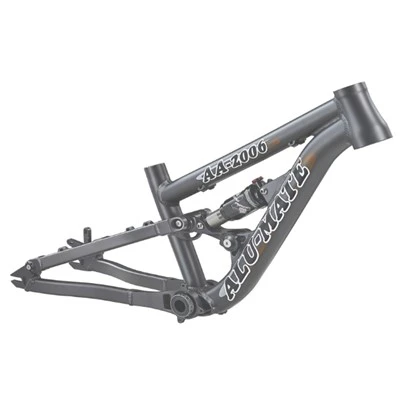
Aluminum Alloy
Aluminum alloy is one of the most popular materials for E – city bike frames. This material has several distinct characteristics that make it a top choice in the industry.
First and foremost, aluminum is incredibly lightweight. Compared to steel, aluminum alloy frames can be significantly lighter, which is a huge advantage for an E – city bike. Lighter frames make the bike easier to maneuver, especially in stop – and – go city traffic. Riders can effortlessly lift the bike to navigate stairs, park it in a tight space, or carry it onto a public transportation vehicle.
In addition to its lightness, aluminum is highly resistant to corrosion. City environments can expose bikes to rain, road salt, and other elements that can cause rust and deterioration. Aluminum alloy frames are naturally protected against these corrosive agents, ensuring a longer lifespan for the bike.
The manufacturing process of aluminum alloy frames is also relatively straightforward and cost – effective. The metal can be easily formed into various shapes, allowing for the creation of sleek and modern frame designs. This flexibility in design enables bike manufacturers to produce frames that not only perform well but also look stylish.
However, aluminum alloy does have some limitations. It is less forgiving than steel when it comes to impacts. A hard hit can cause the aluminum to crack or dent, which may compromise the structural integrity of the frame. Also, aluminum frames may transmit more road vibrations to the rider compared to frames made from materials like carbon fiber, which could potentially lead to a less comfortable riding experience over long distances.
Steel
Steel has a long – standing history in the bicycle industry, and it still holds a significant place in the production of E – city bike frames.
One of the key advantages of steel is its strength. Steel frames can withstand heavy loads and rough handling. This makes them an excellent choice for riders who may carry a lot of cargo on their E – city bikes, such as commuters who transport work equipment or groceries. The high strength – to – weight ratio of some steel alloys allows for the construction of durable yet reasonably lightweight frames.
Another benefit of steel is its ability to absorb vibrations. When riding on uneven city roads, the steel frame can dampen the shocks, providing a smoother and more comfortable ride. This is particularly important for long – distance commutes, as it reduces rider fatigue.
Steel is also a very malleable material. It can be easily welded and shaped, which gives bike designers a high degree of freedom in creating custom – designed frames. Vintage – style E – city bikes often feature steel frames, as the metal can be used to achieve classic and elegant frame geometries.
Nonetheless, steel has its drawbacks. The most obvious one is its weight. Steel is denser than aluminum, so steel frames tend to be heavier. This extra weight can make the bike more difficult to pedal without the assistance of the electric motor, and it can also be a hassle when it comes to carrying or maneuvering the bike. Additionally, steel is prone to rust if not properly protected. Even with anti – rust coatings, over time, the steel frame may still start to corrode, especially if exposed to harsh weather conditions.
Carbon Fiber
Carbon fiber is a relatively new entrant in the world of E – city bike frames, and it has quickly gained popularity due to its high – tech properties.
Carbon fiber is renowned for its extremely high strength – to – weight ratio. Frames made from carbon fiber can be as strong as steel but much lighter than aluminum. This results in an E – city bike that is not only easy to ride but also highly efficient, as less energy is wasted in moving the bike’s weight.
Another notable advantage of carbon fiber is its excellent vibration – damping properties. It can absorb road vibrations more effectively than both aluminum and steel, providing a super – smooth and comfortable ride. This makes carbon fiber frames a great option for riders who are sensitive to road shocks and want a more luxurious riding experience.
The manufacturing process of carbon fiber frames allows for a high level of precision and customization. Complex shapes and internal structures can be created to optimize the frame’s performance. This means that bike designers can fine – tune the stiffness, strength, and weight distribution of the frame according to different riding requirements.
However, carbon fiber comes at a cost. Carbon fiber frames are significantly more expensive than those made from aluminum or steel. The manufacturing process is complex and time – consuming, which drives up the price. Additionally, while carbon fiber is strong under normal conditions, it can be sensitive to impacts. A hard hit can cause internal damage to the carbon fiber layers, which may not be visible on the surface but can still compromise the frame’s safety.
Titanium
Titanium is a premium material for E – city bike frames. Although not as commonly used as aluminum, steel, or carbon fiber, it offers a unique set of properties.
Titanium is extremely strong and lightweight. It has a high strength – to – weight ratio that is comparable to carbon fiber, making it a great choice for building bikes that need to be both durable and easy to maneuver. Titanium frames can withstand heavy loads and rough riding conditions without adding excessive weight to the bike.
One of the most remarkable features of titanium is its excellent corrosion resistance. It is even more resistant to corrosion than aluminum, which means that a titanium frame can last for a very long time, even in harsh environments. Titanium is also biocompatible, which means it is hypoallergenic, making it a suitable option for riders with sensitive skin.
The ride quality of a titanium – framed E – city bike is often described as "silky smooth." Titanium has the ability to absorb vibrations and shocks, providing a comfortable and stable ride. The frame also has a natural springiness that can enhance the overall riding experience.
The main drawback of titanium is its high cost. Titanium is an expensive metal, and the manufacturing process for titanium frames is also complex and requires specialized skills. This makes titanium – framed E – city bikes a luxury option that is out of reach for many budget – conscious consumers.
Choosing the Right Material for Your E – city Bike Frame
As an E – city bike frame supplier, I understand that the choice of material depends on various factors. If cost is a major concern, aluminum alloy is a practical and reliable option. It offers a good balance between weight, durability, and price. For riders who value strength and comfort, especially those who carry heavy loads, steel frames are a great choice.
If you’re willing to invest more for a high – performance and lightweight bike with excellent vibration damping, carbon fiber may be the right material for you. And for those who want the ultimate in durability, corrosion resistance, and a premium riding experience, titanium is the top – tier option.
I also work closely with bike manufacturers to understand their specific needs and develop customized frame solutions. Whether you’re a large – scale bike production company looking for cost – effective mass – produced frames or a boutique bike brand seeking unique and high – end frame designs, I can provide the expertise and materials to meet your requirements.
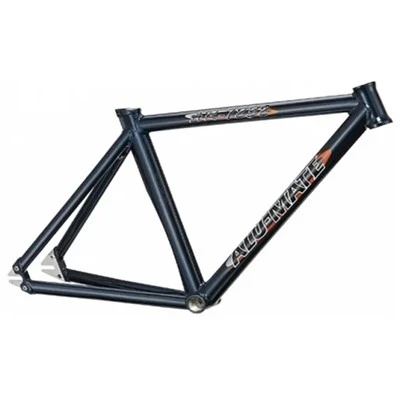
Dirt Jump Bike Frame If you’re interested in procuring E – city bike frames, I’d be more than happy to discuss your needs in detail. We can have in – depth discussions about the materials, designs, and quantities that align with your business goals. Let’s start a conversation and build a successful partnership together.
References
- "Bicycle Design and Engineering" by David Gordon Wilson.
- "The Bicycle: A History" by David V. Herlihy.
- Various industry reports on bicycle frame materials published by cycling research institutions.
ALU-MATE Metal Industrial Co., Ltd.
As one of the most professional e-city bike frame manufacturers and suppliers in Taiwan, we have world-leading production equipment and strong manufacturing capabilities. We warmly welcome you to wholesale advanced e-city bike frame from our factory. Contact us for customized service and OEM service.
Address: NO.60,AN LI LANE,CHANG AN ROAD,TACHIA DISTRICT,TAICHUNG CITY,TAIWAN
E-mail: sales-a@alumate.com.tw
WebSite: https://www.alu-mate.com/
