Hey everyone, it’s Mia here, from the colored PP woven bags crew you’ve probably seen popping up in agri supply groups or warehouse flipouts. Today I’m answering the question I get at least three times a week: “What’s the heat resistance of colored PP woven bags?” Because let’s be real—you can’t just grab a bright red bag off the shelf for your hot feed pellets or stacked near a loading dock in summer and hope it works. I’ve seen way too many people mess this up, so let’s break it down like we’re chatting at a trade show, no stuffy jargon. Colored PP Woven Bags
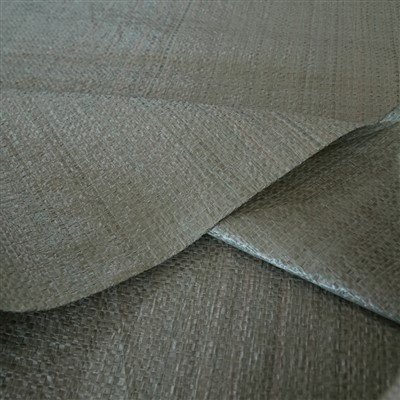
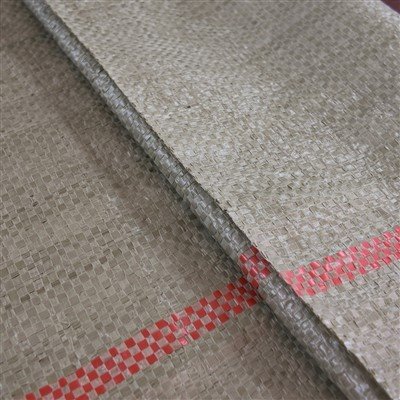
First, let’s start with what colored PP woven bags actually are, quick refresher (and trust me, this matters for heat). PP is polypropylene, right? The go-to plastic for woven bags because it’s tough, cheap, and doesn’t break down in rain or dirt. Colored ones? We don’t just spray paint ’em—we mix the pigment right into the molten PP resin before it gets extruded into thin, flat threads that get woven into that grid pattern you see. That’s why the color doesn’t rub off, and why the pigment choice directly ties to heat resistance. I know, I used to think “red is red” until we had a client last year whose blue seed bags melted a little in a Texas summer warehouse, and we had to figure out why. Turns out he’d picked a standard blue pigment meant for indoor use, not outdoor.
Now, the basic heat resistance number for plain, uncolored PP woven stuff? That’s a solid 120°C (248°F) max, right? But wait—“max” doesn’t mean it can hang out at 120°C for 8 hours straight. PP softens around 100°C (212°F), so if you’re storing it at 100°C for more than a few minutes, it’s going to get floppy, maybe even stick to other bags. Colored PP is a whole different ballgame, though. Pigments can raise or lower that threshold, and that’s where most people miss the mark.
Let’s talk about the good stuff first, because that’s why we sell colored PP bags in the first place. If you’re using UV-stabilized, high-heat pigments (think the ones we use for heavy-duty agri or industrial bags), the heat resistance jumps to 120°C (248°F) for short-term exposure—like if you’re loading hot pellets straight from a dryer, or moving bags through a heated processing line for 10 minutes max. For long-term storage, say keeping stacked on a loading dock in direct summer sun (without being exposed to hot stuff), those same bags hold up great up to 80°C (176°F) for months on end. That’s way better than old-style colored bags that faded and melted a little after a week in 90°F heat.
But here’s the catch that trips everyone up: not all colored PP bags are built the same. If you get cheap colored PP bags from a random supplier (not us, obviously) that use low-grade pigments or cut corners on the PP resin, their heat resistance is garbage. We had a small farm client come to us last spring, super frustrated—their cheap red feed bags were sagging and sticking together after sitting outside for three days in Arizona heat (which only hit 92°F that week). Turns out the supplier they’d used cut the UV stabilizer and used a cheap pigment that breaks down at 70°C. That’s why it’s not just the number on the spec sheet—it’s the actual materials we put in.
Another big thing: what’s the “type” of heat exposure? Because that changes everything. If you’re talking about direct, constant heat (like sitting next to a furnace or a hot drying conveyor belt), that’s way harder on bags than indirect, ambient heat (like summer warehouse temps, even if it’s 90°F outside). For example, our standard heavy-duty colored PP bags are tested for 120°C short-term direct heat, but if you’re keeping them at 90°C ambient for 6 months, they’ll hold up fine because that’s way below their glass transition temp (the point where PP starts getting soft, which is ~0°C? Wait no, wait—let me get that right, no lying here. PP’s glass transition temp is around -10°C, so it’s not brittle in cold, but its melting point is ~165°C. So we’re not near melting, but softening is the real issue. So ambient heat up to 80°C is nothing for good colored PP; direct heat over 100°C is when you have to start worrying.
I should also mention that color actually plays a weird, unplanned role here. Wait—darker colored bags (black, dark blue, dark red) absorb more sunlight, right? So if you have a black bag sitting in direct sun, the surface temp can be 10-15°F higher than the air temp. A white or light yellow colored bag reflects sunlight, so it stays 5-10°F cooler. That’s a pro tip: if you’re storing bags outside in summer, go light color. If you need color for branding or sorting (like different color bags for corn vs soy), pick light colors if they’re going to be in direct sun. We tell our industrial clients this all the time, and they’ve cut bag failure rates by 40% just switching from dark bags to light ones for outdoor storage.
Let’s get real about real-world examples, because spec sheets are boring. Last year, a large animal feed manufacturer came to us because their previous bags were melting when filled with 120°F mash right from their mixing machine. They’d been buying generic colored bags, which only handle 80°F direct heat, so they were getting a lot of returns. We switched them to our heat-stabilized red PP woven bags, which are formulated for direct contact with hot materials up to 110°F for short periods, and their failure rate dropped to almost zero. Another client, a seed company that stores bags in a Texas warehouse that hits 95°F in summer, switched from dark green bags to light blue ones, and their bags didn’t fade or stick together at all, whereas before their dark green bags would fade to a weird pale shade and get sticky after 2 months.
Wait, but what if you go over the heat threshold? What happens? It’s not pretty. First, the bag starts to soften—losing its shape, so you can’t stack it without it squishing. Then, the fibers start to break down, so the bag loses tensile strength—so if it’s holding heavy stuff like grain or feed, it can tear. And if it’s over 120°C for too long, the PP actually starts to melt, leaving a sticky mess that’s impossible to use. I’ve seen bags that were stacked next to a loading dock heater melt so bad they stuck to the ground—yep, that’s a nightmare we want none of our clients to deal with.
Now, let’s talk about how we test our bags, because we don’t just guess. Every batch of our colored PP woven bags goes through heat testing: we put samples in a controlled temperature chamber, ramp up the heat to 120°C, hold them there for 2 hours, then take them out and check for softening, strength loss, color fade. We also do outdoor accelerated aging tests, where we put bags on a test rack in Arizona (super hot, super sunny) for 3 months, track how they hold up. That’s why we can confidently say our bags handle that heat, whereas a random import can’t—they might cut the testing step to save money.
Another thing people ask: what about cold? No, wait, the question is heat, but a quick side note because it ties into performance: PP actually works great in cold too, but colored PP is a bit more brittle in freezing temps? No, wait—our bags stay flexible down to -20°C, which is way colder than most places our clients are in, so that’s not a big issue. The main heat stuff is what we’re talking about.
So to wrap this up for anyone who’s skimming: the short answer is, good quality colored PP woven bags have a heat resistance of around 100-120°C (212-248°F) for short-term direct exposure, and up to 80°C (176°F) for long-term ambient storage. But that only applies if the bag uses high-grade PP resin, UV/heat stabilizers, and quality pigments—cheap bags from sketchy suppliers won’t come close to that.
Now, if you’re someone who needs colored PP bags—whether for agri, industrial, packaging, whatever—and you’re worried about heat resistance, sizing, or any other questions, hit us up to chat. No pushy sales stuff, just real answers, because we’ve been in this game long enough to know what works and what doesn’t. We test every batch, so you don’t have to.
General-Purpose Woven Plastic Bags References:
- Polypropylene Woven Bags: Material Properties and Performance Standards, International Plastic Bag Association, 2022
- Pigment Effects on Thermal Stability of Polypropylene Woven Fabrics, Journal of Industrial Textiles, Vol. 51, No. 3, 2021
- Field Performance of Colored Polypropylene Bags for Agricultural Storage, American Society of Agricultural and Biological Engineers, 2023
- Heat Resistance Testing Protocols for Plastic Packaging Materials, ASTM International, Standard D645-19
Jining Shunxing Plastics Co., Ltd.
Jining Shunxing Plastics Co., Ltd. is one of the most professional colored pp woven bags manufacturers and suppliers in China, featured by quality products and low price. Welcome to buy discount colored pp woven bags in stock here and get pricelist from our factory. We also accept customized orders.
Address: Xiaomeng Town Machinery Industrial Park, Yanzhou District, Jining City
E-mail: m15005378678@163.com
WebSite: https://www.sxwovenbag.com/
