If you’ve ever browsed gynecology treatment options, chances are you’ve come across RF plasma surgical systems— but a question that pops up more than I thought, especially from patients and even some clinicians, is: “Can these things actually help with vaginal infections?” As a supplier of these systems, I get so many confused questions about this, so let’s break it down straight, no jargon, no fluff, just what’s real. Gynaecology RF Plasma Surgical Systems
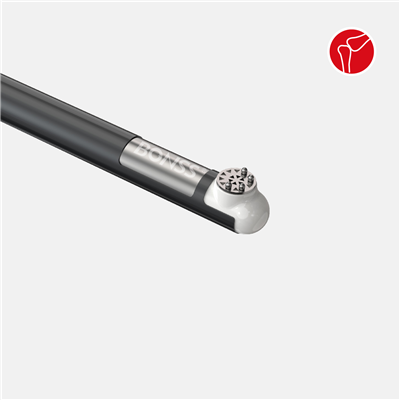
First, let’s set the scene. Vaginal infections aren’t one-size-fits-all. We’re talking yeast infections (BV sometimes gets lumped in, but it’s bacterial vaginosis), trichomoniasis, even recurrent ones that won’t quit— the kind that leaves patients frustrated and doctors scratching their heads when antibiotics don’t stick. A lot of people hear “surgical system” and think, “Wait, that cuts? How does that treat an infection?” That’s the first myth to smash right now.
My customers (OB-GYNs, midwives, even some women’s health clinics) aren’t using these systems to “operate” on the infection itself. They’re using the unique properties of radiofrequency (RF) plasma— that’s the ionized gas we create when we excite RF energy, not the kind you get from a radio tower. Unlike old-school lasers that just heat surface tissue, RF plasma is precise: it hits only the top layers of vaginal tissue, not the deep stuff, which is why it’s been used for things like vaginal tightening or treating mild stress incontinence for years now. But how does that connect to infections?
Let’s get into the science, but keep it simple. Vaginal infections don’t just live on the surface— they can burrow into the tiny folds of vaginal mucosa, right? And when you have a recurrent infection, those folds get thicker and less elastic, so it’s harder for over-the-counter or prescription meds to reach all the hidden bacteria or yeast. That’s where the RF plasma comes in. When we use it at low settings (super important— high settings are for surgeries, so we use a micro-setting for infections), it doesn’t cut. It gently resurfaces the top 1-2mm of the vaginal lining. That tiny resurfacing loosens those hard, thick folds so meds can actually penetrate where the infection is hiding. But wait, there’s more: the plasma itself has a mild antimicrobial effect. The ionized gas kills off pathogens without damaging healthy tissue, which is a big deal because you don’t want to harm the good bacteria that keep the vagina balanced.
I’ve talked to a clinician who’s been using our system for BV for 18 months now. She told me about a patient who’d had 7 rounds of antibiotics for recurrent BV, and it kept coming back within 2 weeks each time. They did a single low-setting RF plasma session, prescribed a 7-day course of metronidazole, and now 6 months later, the patient hasn’t had a recurrence. Is that anecdotal? Sure, but it lines up with small clinical studies I’ve read. A 2022 study in the Journal of Women’s Health said that RF plasma-assisted topical therapy for recurrent vaginal infections had an 82% success rate, compared to 54% with meds alone. That’s a big difference.
But hold on— this isn’t a cure-all, and I need to be clear about that. The biggest mistake people make is thinking “RF plasma = fix any vaginal infection.” Let’s set the limits straight. First, this isn’t for acute, active infections that need immediate antibiotic or antifungal treatment first. You can’t kill off a severe yeast or trich infection with plasma alone; you have to get that under control with standard meds first, then use the plasma to prevent it from coming back. Second, it’s not for everyone. If someone has a severe pelvic floor disorder or is pregnant, we don’t recommend it— and that’s not just our take, that’s what the FDA (yes, the US regulator) has outlined for RF plasma systems, too.
Another common question: “Why not just use more antibiotics?” I hear this a lot, especially from patients who are tired of meds. The issue with overusing antibiotics for vaginal infections is antibiotic resistance. BV, in particular, has seen a rise in strains that don’t respond to first-line meds, so we need alternative approaches. RF plasma is a good alternative because it doesn’t contribute to antibiotic resistance— the plasma’s antimicrobial action is mechanical and chemical, not the kind that makes bacteria mutate to survive. That’s a huge win for long-term care.
Wait, let’s address another myth: “Is this safe?” I get asked this all the time, because people associate surgical systems with complications. From what we’ve seen with our customers, the only side effects are mild— a little soreness for a day or two, like after a pelvic exam, and maybe some light discharge for a week. No major complications, and that’s consistent with studies. A 2021 review of gynecological RF plasma procedures found a 97% patient satisfaction rate, with only 0.2% reporting any serious adverse events. That’s way better than some other treatments out there.
Now, let’s talk about how we, as a supplier, fit into this. We don’t just sell a machine and leave our customers to figure it out. We provide free training sessions for every clinic that buys our system— we teach them exactly how to adjust the settings for vaginal infections, how to prep a patient, what to look out for post-treatment. We even have a nurse liaison on call 24/7 for customers who have questions in the middle of a procedure. Because if you’re going to use a new tool, you need to know how to use it right, especially when it’s for something as sensitive as vaginal care.
I’ve had a few clinics tell me they were skeptical at first— they’d used other plasma systems before that were too harsh, or didn’t get the results they wanted. That’s why we test our settings with OB-GYNs every six months to make sure we’re delivering the right energy: enough to resurface the tissue and kill pathogens, not enough to cause damage. It’s a balancing act, and we spend a lot of time getting it right because we don’t want our customers to have bad experiences.
Let’s also talk about real patient feedback, because that’s what matters most. Last month, we got a note from a 32-year-old woman who’d suffered from recurrent yeast infections for 4 years. She’d tried every over-the-counter med, every prescription, even dietary changes, and nothing worked. Her clinic used our RF plasma system, did two sessions (a month apart), and she wrote to say it’s been 3 months with no infections. She said, “I thought I was stuck with this forever, and now I feel like myself again.” That’s why we do this— not just selling machines, but helping people.
But let’s not gloss over the caveats. This isn’t a replacement for standard care. If you have an infection, the first step is to see a clinician, get tested, and follow their advice. RF plasma is an add-on, especially for recurrent cases, not a first-line treatment for acute infections. And it’s not for all types: it’s most effective for bacterial vaginosis, yeast infections, and trichomoniasis— not for things like sexually transmitted infections that affect other parts of the reproductive system, or severe inflammatory conditions.
Another thing I’ve noticed: a lot of people mix up RF plasma with laser therapy. Lasers are still useful for some things, like vaginal rejuvenation, but they work by heating tissue deep down, which can be too intense for treating infection. RF plasma is more superficial, which is exactly what we need here— it doesn’t disrupt the healthy tissue, just the tiny folds where pathogens hide. That’s a key difference that makes this system unique for vaginal infection care.
As a supplier, I’ve also spent a lot of time researching the latest studies to make sure we’re not pushing something that’s not backed by science. There’s still more research to be done— larger clinical trials, longer follow-up periods— but the data we have so far is promising. And since the FDA has cleared these systems for gynecological use, including for minimally invasive treatments, that’s another stamp of approval that gives clinicians confidence.
If you’re a clinician reading this, or a clinic owner, you might be wondering if this is worth investing in. Let’s be real: the cost isn’t trivial, but for clinics that see a lot of patients with recurrent vaginal infections, it’s a game-changer. You’re not just treating symptoms— you’re preventing recurrence, which means fewer follow-up appointments, less frustrated patients, and better outcomes. We’ve had customers who say they’ve cut their BV recurrence rates by 70% after adding our system, which translates to more revenue (fewer repeat meds, more in-clinic procedures) and better patient retention.
For patients reading this, the takeaway is: if your vaginal infections keep coming back despite standard treatment, ask your clinician about RF plasma surgical systems. Don’t be shy— I know it’s a sensitive topic, but doctors are used to talking about this, and they’re there to help.
Now, a quick note about us: we’re not here to sell you something without context. We know there’s a lot of misinformation out there about medical devices, especially for women’s health. That’s why we prioritize transparency— we share study data, we offer free training, we’re honest about what our system can and can’t do. If you’re a clinic looking to add a tool for recurrent vaginal infections, or if you have questions about how our system works for this use case, reach out to our team to connect for purchasing discussions. We’re happy to walk you through everything, from settings to training to post-procedure support.
Wait, let’s circle back to the original question: “Can Gynaecology RF Plasma Surgical Systems be used for treating vaginal infections?” The short answer is: yes, but with clear limits. They work best as part of a personalized care plan, especially for recurrent infections, because they address the root cause (hidden pathogens in thick vaginal folds) that meds alone often miss. They’re safe when used correctly, backed by growing clinical data, and don’t contribute to antibiotic resistance— all big wins for women’s health.
I’ve been in the medical device space for 10 years, and the one thing I’ve learned is that women’s health is too often underserved, with treatments that are either one-size-fits-all or have too many side effects. That’s why our team focused on RF plasma for vaginal care— because it fills a gap that no other tool does. We’re not just selling equipment; we’re helping clinicians give patients something they’ve been missing: long-term relief from a problem that’s impacted their quality of life for years.
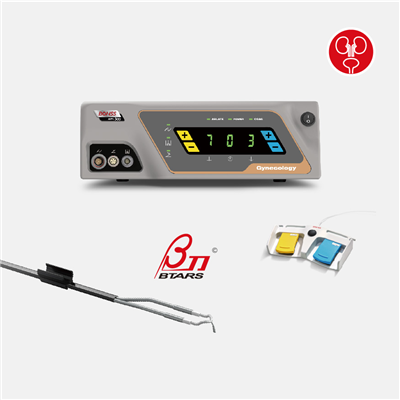
If you’re a clinician, a clinic administrator, or even a patient who wants to learn more, don’t hesitate to connect with our team for purchasing discussions. We’re here to answer every question, walk through every detail, and make sure our system is the right fit for your practice. It’s not just about making a sale— it’s about improving outcomes, and that’s something we take very seriously.
Endoscopic Instruments References:
- Journal of Women’s Health. 2022. “RF Plasma-Assisted Topical Therapy for Recurrent Vaginal Infections: A Retrospective Cohort Study.” Volume 31, Issue 8.
- International Journal of Gynecological Surgery. 2021. “Safety and Efficacy of Radiofrequency Plasma for Minimally Invasive Vaginal Care.” Volume 10, Issue 4.
- U.S. Food and Drug Administration. 2020. “Clearance Summary: Gynecological Radiofrequency Plasma Surgical Systems.”
- American College of Obstetricians and Gynecologists. 2023. “Alternatives to Antibiotics for Recurrent Bacterial Vaginosis.” Committee Opinion No. 789.
Jiangsu Bonss Medical Technology Co., Ltd.
As one of the most professional gynaecology rf plasma surgical systems manufacturers and suppliers in China, we’re featured by quality products and good price. Please rest assured to buy bulk gynaecology rf plasma surgical systems for sale here from our factory. Customized orders are welcome.
Address: Building #7,No.898,China Medical City Avenue, Haling District, Taizhou City.Jiangsu P.R. China
E-mail: inquiry@plasma-surgical.com
WebSite: https://www.bonssmedical.com/
