Hey everyone, it’s Jake here—from the team that ships platinum titanium anodes (PTAs) to places like electroplating shops, water treatment plants, and battery manufacturers all over. I’ve gotten so many DMs lately asking, “Jake, what’s the deal with packaging these things? I just got a shipment of anodes that got scratched to crap and my whole plating line’s down—what gives?” Fair question. PTAs aren’t your run-of-the-mill steel bolts or plastic containers; they’re weirdly specific when it comes to how you box ‘em up if you want ‘em to actually work when they get to your door. No cutting corners here, let’s break it down like we’re chatting over a coffee (or a beer, if it’s the end of a long week). Platinum Titanium Anode
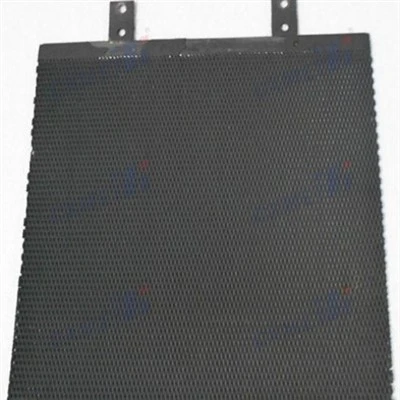
First off, let’s get one thing straight: these anodes aren’t pure titanium—they’re base titanium with a thin (like, super thin, we’re talking micro-meters here) coating of platinum. That platinum layer is the whole point. It’s what makes ‘em corrosion-resistant, long-lasting, and way better than plain titanium or lead anodes for stuff like plating chrome, treating wastewater, or electrolyzing brine. Scratch that platinum coating, and suddenly your anode’s just regular titanium, which will corrode fast, leach junk into your process, and die in weeks instead of years. So packaging isn’t just about keeping ‘em from breaking—it’s about protecting that fragile platinum layer above all else. That’s the non-negotiable base rule, y’all. No exceptions.
Let’s start with the actual packaging materials, because that’s where most people mess up when they try to cut costs. I’ve seen so many vendors just throw anodes in a cardboard box with some bubble wrap and call it a day. Bad. Especially if you’re shipping long distance, or via freight that gets tossed around. First, the inner layer: we use closed-cell polyethylene foam, not that crinkly open-cell bubble wrap you wrap your Christmas presents in. Wait, why? Open-cell bubble wrap traps moisture, even if it’s coated, and moisture that sits on the platinum-titanium interface can cause tiny crevice corrosion. That eats away at the titanium under the platinum way before you even install the anode. Closed-cell foam is waterproof, and it’s rigid enough to hold the anode in place so it doesn’t shift around during shipping. We cut the foam to fit exactly the shape of the anode—no empty space, no extra room to slide. That’s key for flat anodes, of course, but even for cylindrical rod anodes or mesh anodes, we custom-cut foam liners to cradle every inch.
Next, what about edges? Flat anodes have sharp corners, right? If you just wrap ‘em in foam, those sharp corners can poke through the foam and scratch the platinum when the box is jostled. So we add a soft, non-abrasive edge guard—usually polypropylene, not cardboard, because cardboard absorbs moisture. We tape the edges of the foam, not the surface of the anode, with a low-tack masking tape? Wait no, actually we use static-free masking tape, because static can attract dust particles that scratch the platinum too. Wait, hold up—dust! I almost forgot that. The platinum layer is so thin (usually 0.1 to 5 microns, depending on what the anode’s for) that even a tiny speck of metal dust or sand can scratch through it when you’re handling it to install. So we also wrap each individual anode (or small batches, if they’re small parts like terminals) in a layer of static-dissipative poly film before the foam. That keeps dust and static off, which is another big one. I can’t tell you how many times a customer told me “my anode looked fine, but when I tested it, it had weird pitting” and it turned out their shipping company loaded it with a bunch of metal scrap that left tiny scratches under the film. The poly film stops that.
Now, what about packaging for different types of PTAs? Because not all anodes are the same. Let’s split ‘em up by form factor, since that changes packaging needs. First, flat plate anodes—these are the most common, used in plating lines. They’re usually 2×3 feet up to like 4×8 feet, pretty big and flat. For these, we build custom wooden crates? Wait no, wait—most of the time, we use heavy-duty corrugated fiberboard boxes for domestic ground shipping, but for international or air freight, we use plywood crates that are heat-treated (IPPC certified, because customs will reject non-heat-treated wood) so they don’t have pests. But for flat plates, we don’t just stack ‘em in the box. Wait, never stack anodes flat. If you stack two flat plates on top of each other, even with foam between, the weight of the top one can warp the bottom plate, and if the platinum coating flexes too much, it can crack or peel. Oh right! Flexing is another enemy. So for flat plates, we ship them on edge, not flat. We cut the foam to hold the plate upright, so there’s zero bending force applied. That’s a game-changer. I had a customer in Texas a while back who was stacking his plates flat and got half a shipment back with cracked platinum coatings—switched to edge shipping, no issues since.
Then there are rod anodes, usually 1 foot to 10 feet long, used for cathodic protection in pipelines or deep water wells. These are long and cylindrical, so stacking ‘em is a bad idea because they can bend if not supported. For rod anodes, we use foam sleeves cut to the exact diameter of the rod, split down the middle so we can slide the rod in, then wrap that in another layer of poly film. We line the box with foam blocks at both ends so the rod can’t slide back and forth, even if the box is dropped. For super long rods (like 10 feet), we actually use two boxes for one rod—so it doesn’t bend in the middle. I’ve had customers try to put a 10-foot rod in one box and it would arrive bent at a 30-degree angle, useless because when you install it, it doesn’t fit the well or pipe. So splitting long rods into two sections is a must, no exceptions.
Mesh anodes are another big one—used for water treatment, electrolysis, stuff where you need a lot of surface area. Mesh is fragile, like, way more fragile than solid plate or rod. The wires are thin, so they bend easily, and the platinum coating on the wires scratches if they rub together. So for mesh, we package each sheet individually, wrapped in static-dissipative film, then placed in a rigid, custom-cut foam tray that holds each mesh sheet separate—no touching. We also add a layer of cardboard between each mesh sheet, but not regular cardboard, acid-free cardboard. Regular cardboard has acid that can react with the titanium over time, especially if there’s any moisture, leading to discoloration of the platinum coating. Discoloration might look fine, but it means the coating is breaking down, so the anode will fail early. Acid-free cardboard eliminates that problem.
Now, what about other stuff that’s non-negotiable, no matter the anode type. Moisture is a huge one, especially for international shipping or humid climates. Even if you wrap the anode, if the box has moisture inside, it’s bad. So we add desiccants—activated clay desiccants, not those little silica gel packets that say “do not eat” (those work too, but activated clay is better for larger volumes). For boxes that go to places like Singapore or Miami, we add twice the number of desiccants we use for places like Arizona or Canada. We also seal every seam of the box or crate with heavy-duty water-activated tape, not scotch tape or packing tape. Scotch tape loses its stickiness in high humidity, and seams can split, letting moisture in. Water-activated tape is way stronger, and it’s what shipping companies use for heavy, valuable stuff, so it’s the only thing we use for our PTAs.
Wait, what about labeling? People sleep on labeling, but it’s important too. If a forklift driver picks up a box of PTAs and doesn’t know it’s fragile, they’ll stack 10 other heavy boxes on top of it. So every PTA package has big, bold “FRAGILE: PLATINUM COATED ANODES DO NOT STACK” labels on all four sides, plus “KEEP DRY” labels, and handling arrows that tell you which side is up. I even write “DO NOT DROP” in big red marker on top of the labels, just in case. I’ve seen a box that got tossed because the driver didn’t see the small “fragile” label, so we make ours unmissable.
Now, let’s talk about mistakes I’ve seen customers (and even other suppliers) make, that cost ‘em big time. One customer ordered 20 flat plate anodes for a chrome plating line, and the supplier shipped them in a regular cardboard box, flat stacked, with regular bubble wrap. When they arrived, 8 of the plates had deep scratches on the edges, and the platinum coating peeled off in strips. The customer had to shut down their line for 3 days waiting for a replacement shipment, costing them tens of thousands of dollars in lost production. Another one: a water treatment plant ordered 50 rod anodes, and the supplier packed them in a big box with no end supports, so when it got dropped, the rods slid and chipped the platinum coating at the ends. Those ends are where you connect the electrical wires, so chipping there means bad conductivity, and the anodes didn’t work. The plant had to buy replacements. And another one: someone tried to use silicone spray on the foam to make it “stick better” to the anodes, but the silicone residue reacted with the platinum, making it discolored and inactive. That’s a big no—no sprays, no coatings on the packaging materials, just clean, inert stuff.
Wait, also, storage? Wait no, the question is packaging requirements, but maybe a quick note: if you’re not installing the anodes right away, don’t leave the packaging open. Keep ‘em sealed in the original poly film and foam, in a dry, temperature-controlled area. Don’t leave ‘em in a garage or a warehouse where it’s hot and humid—heat and moisture will speed up any tiny corrosion that might start at scratches. But back to packaging: what about disposal? No, not important for the requirements, but the main thing is that packaging is not just getting the product from A to B—it’s protecting the functionality of the anode, because that’s what you’re paying for. Platinum titanium anodes aren’t cheap, right? A single 4×8 foot plate can be a couple thousand dollars, so ruining a shipment from bad packaging is a huge financial hit, not to mention production downtime.
Let’s sum up the non-negotiable packaging rules, so you don’t have to guess:
- Protect the platinum coating first: use static-dissipative poly film + closed-cell foam, no open-cell bubble wrap.
- Custom-fit packaging to the anode’s shape: hold ‘em in place, don’t stack flat plates, support long rods to prevent bending, separate mesh sheets.
- Keep moisture out: heat-treated IPPC crates for international, water-activated tape, enough desiccants for the climate.
- Label like it’s your money on the line: big, bold “FRAGILE”, “DO NOT STACK”, “KEEP DRY” labels on all sides.
- No cheap shortcuts: acid-free materials, inert coatings, no sprays or adhesives that react with platinum.
Look, I’m not here to sell you a overpriced fancy packaging for no reason. I’m here because I’ve been shipping these things for 10 years, seen every mistake possible, and I want you to get a good product that works when it arrives. If you’re looking for PTAs, or if you have questions about packaging for your specific order, hit me up. We can tailor the packaging to your shipping needs—whether you’re sending one small anode to a local shop or a whole crate to a factory overseas. No one wants to deal with a shipment of scratched, ruined anodes, so we make sure our packaging is as careful as we’d want someone to handle our own anodes.

If you need more details on anything, or want to chat about your next order, don’t hesitate to reach out. We’re here to help you get the right product, packaged right, so your project runs smoothly.
Platinum Titanium Anode References
- International Standard for Packaging: Guidelines for Corrosion Protection of Electrochemical Components, ISO 11607:2019
- Platinum-Titanium Anode Surface Protection: Effects of Packaging Materials on Coating Integrity, Journal of Electrochemical Society, Vol. 168, No. 5, 2021
- IPPC Compliance for International Shipment of Metal Components, International Plant Protection Convention, 2022
- Packaged Goods Handling Best Practices for High-Value Electrochemical Products, National Association of Packaging, Handling, and Logistics Engineers, 2020
Shannxi CXMET Technology Co., Ltd.
As one of the most professional platinum titanium anode manufacturers and suppliers in China, we also support customized service. Please feel free to buy high-grade platinum titanium anode for sale here from our factory. Good service and quality products are available.
Address: 191 Integer Rd, 2nd StrLA 08219, P.R China.
E-mail: sales@cxmet.com
WebSite: https://www.cxmetanode.com/
