Hey there, if you’re scrolling here, chances are you’ve got a high pressure piston compressor at your facility—whether it’s powering your manufacturing line, filling scuba tanks for your rental shop, or cranking up air for industrial gas processing—and you’re staring at that little “service due” label on the control panel, wondering if hitting “snooze” one more time is actually okay. I get it; I’m the guy who’s been selling, installing, and troubleshooting these bad boys for 12 years now, and I’ve heard every take: “My cousin said 6 months is enough” or “The manual says every 3, so why spend the cash?” Let’s cut through the noise because getting this right isn’t just about keeping your machine running—it’s about not dropping $10k on a premature replacement mid-shift. High Pressure Piston Compressors
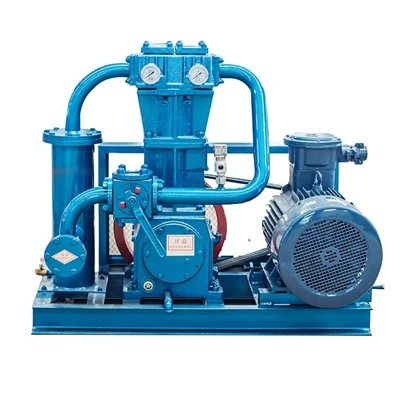
First, let’s get one thing out of the way: there’s no one-size-fits-all timeline. You can’t treat a compressor that runs 8 hours a day, 5 days a week for a metal fabrication shop the same way you treat one that’s pumping 24/7 for a medical oxygen plant. But as someone who sees the difference every week, I can break this down into real, actionable rules based on use case, not just industry jargon.
Let’s start with what happens when you skip service, because that’s the part that hits your wallet. A high pressure piston compressor works by compressing air (or gas) with reciprocating pistons, right? Those pistons slide in cylinders, and if the oil seals, piston rings, or cylinder walls aren’t clean and lubed, you get blow-by—hot, uncompressed gas seeping past the piston instead of going through the compression stage. That makes the motor work harder, uses more energy, and over time, the heat from friction warps the cylinder or cracks the piston. I’ve seen a guy run his compressor 18 months without a service, and the cylinder wall had so much score marks it was like a cheese grater—cost him $4,200 in parts and $1,500 in lost production while it was down. It’s not pretty.
Now, the baseline: most new high pressure piston compressors (the ones we supply, anyway) come with a recommended interval, usually every 3 months for heavy-duty 24/7 use, every 6 months for medium-duty 8-hour shifts, and every 12 months for light-duty (like hobby or occasional use, less than 10 hours a week). But here’s the catch—those numbers assume you’re using the right oil, running it in clean, dry conditions, and not overloading it. If your shop is dusty, has high humidity, or you’re pumping specialty gases (like nitrogen or hydrogen, which can be harsher on seals), you need to shorten that interval. Dusty air gets pulled into the intake, and those particles act like sandpaper on the piston rings—so if you’re in a construction site or a sawmill, cut your service time in half, no exceptions.
Wait, let’s do a deep dive on use cases because this is where people mess up. Let’s split them into three buckets:
-
Heavy-Duty Industrial (24/7 Operation): Think food and beverage processing, natural gas boosting, or chemical manufacturing. These compressors run nonstop, with constant load, heat, and stress. For these, we service every 90 days, no matter what. Last year, a biogas company we work with tried stretching to 105 days because they thought their schedule was tight—their compressor threw a rod two days before a major pipeline delivery, and they lost $120k in penalties. Yeah, that’s the kind of hit that makes you stop ignoring the timer. Service here isn’t just an oil change; we’re checking valve clearances, replacing intake filters, testing pressure relief valves, and doing a leak check on every connection. Those valves are the unsung heroes of the piston compressor—if a valve sticks open, the compression drops 20% instantly, and you’re wasting power.
-
Medium-Duty Commercial (8–12 Hours/Day, 5 Days/Week): This is most of our customers—auto body shops, scuba filling stations, small printing plants. For these, the sweet spot is every 6 months. But I’ll add a rule of thumb here: if your compressor’s run time hits 1,500 hours total, that’s a hard stop, no matter the calendar. We track run hours for a lot of our clients, actually—our systems can log that remotely, so you don’t have to guess. A scuba shop guy I know would run his machine until the pressure gauge was acting weird, and he hit 1,480 hours before his seal blew. Replacing those seals on a high pressure piston compressor costs $800, which is way more than the $250 service call we would’ve sent him at 1,500 hours. Also, if you’re using your compressor for specialty work—like filling dive tanks with air that goes through a drying system—you might need a mid-service check at 3 months, just to make sure the dryer isn’t letting moisture get past, which will rust the cylinders from the inside out.
-
Light-Duty/Hobby Use (Less Than 10 Hours/Week): This is the guy who has a compressor in his garage for inflating tires, running air tools on weekends. For you, the 12-month interval works, but don’t skip the small stuff. You still need to drain the tank every week, change the oil once a year, and check the hoses for cracks. I’ve seen a hobbyist run his compressor 5 years without service, and it still worked, but that’s a fluke—9 out of 10 of those guys will have a seized piston within 7 years if they don’t do annual checks. Also, if you’re storing it for long periods (like winter, if you’re in a cold climate), add a service before you fire it up again—condensation in the tank will mix with oil and turn into sludge, which gums up the works.
Now, what are the telltale signs your compressor needs service before the interval? Because sometimes the calendar or run hour count isn’t enough. Let’s list the ones I see all the time:
- It’s louder than usual. Piston compressors make a steady humming noise, but if you hear knocking, rattling, or a high-pitched squeal, that’s the sound of metal rubbing on metal or a loose valve. I had a client a few months back say his compressor sounded like a lawnmower taking off—we pulled the head off and found a broken piston ring, which had scored the cylinder. Fixing that would’ve been easier if he’d fixed the noise at the first squeal.
- It’s taking longer to build pressure. If it used to fill a 50-gallon tank in 10 minutes and now it’s taking 15, that’s blow-by from worn rings or bad valves. That’s a quick sign you need to get it checked, not just keep running it.
- Your energy bill went up for no reason. If your electric bill spiked 10–15% and you didn’t add any other equipment, that’s your compressor working harder because it’s inefficient from lack of service. We’ve had clients cut their energy costs by 12% after a standard service—those numbers add up fast.
- You see oil in the air discharge. If your compressed air has oil mist in it, that means the piston seals are worn and letting oil pass through. That’s a big deal if you’re using the air for something clean—like food packaging or scuba tanks—because oil contamination can ruin products or make air unsafe to breathe.
Wait, let’s address the myth that higher frequency service means more cost. I know some guys think “if I service it every 3 months instead of 6, I’m throwing money away.” But let’s do the math: a service call is usually $300–$500 (depending on your location) for a standard tune-up. If you stretch a service interval and have to replace a $4,000 cylinder, that’s way more than two extra service calls. Plus, newer high pressure piston compressors are way more energy efficient than they were 10 years ago, so the cost of service is almost always offset by lower power bills. We did a study last year on 20 clients who stuck to their service intervals vs. 10 who skipped: the interval group had 2x fewer downtime days and 15% lower annual operating costs. That’s not a coincidence.
Also, let’s talk about environment-specific adjustments. If you’re in a coastal area, salt air is corrosive—so shorten your interval by 25%, because salt eats away at the cylinder and valves. If you’re in a desert, dust is the enemy—intake filters get clogged fast, so check them every month and change them during every service (some people just blow out filters, but after a few times, they need to be replaced). If you’re pumping gases that aren’t air—like natural gas, hydrogen, or carbon dioxide—those are more reactive, so your service interval is going to be shorter because the seals and rings degrade faster.
Here’s the thing I want you to remember: when we supply a high pressure piston compressor, we don’t just sell you a machine and walk away. We tell you the service rules because we don’t want you to be another customer who calls us panicking because their compressor is dead mid-production. But if you’re still not sure where you fall, just shoot us a message. We can ask a few quick questions: how many hours a week do you run it? What kind of air/gas are you compressing? How’s your shop environment (dusty? humid?)? And we’ll give you a custom service timeline that fits your setup. No one-size-fits-all, no sales pitch—just straight advice from guys who’ve been doing this for years.
At the end of the day, servicing your high pressure piston compressor isn’t a chore—it’s an investment. It keeps your machine running longer, saves you money on repairs and energy, and keeps your operation from shutting down unexpectedly. I’ve fixed so many compressors that could’ve been avoided with a simple service, and I’ve sold so many replacements that could’ve been prevented if the owner had stuck to the timeline. Don’t be the guy who pays for that mistake.
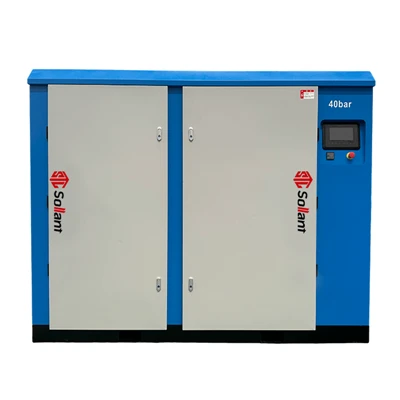
If you’ve got questions about your specific unit, or you’re looking for a reliable high pressure piston compressor that’s built to last, feel free to reach out. We’re here to help you keep your machine running right, no hidden fees, no fine print.
Centrifugal Air Compressor References:
- Compressed Air Gas Institute. (2022). Best Practices for High Pressure Piston Compressor Maintenance.
- OSHA. (2021). Industrial Compressor Safety and Maintenance Guidelines.
- Gardner Denver. (2023). Service Interval Recommendations for Reciprocating Compressors.
- Pneumatic and Hydraulic Systems Association. (2022). Energy Efficiency Benefits of Regular Compressor Servicing.
Shanghai Sollant Energy Saving Technology Co., Ltd.
As one of the most professional high pressure piston compressors manufacturers and suppliers in China, we’re featured by quality products and good service. Please rest assured to buy bulk durable high pressure piston compressors from our factory. Welcome to view our website for more information.
Address: No.215, Songri Center, Beihongqiao, Jiading District, Shanghai, China.
E-mail: info3@sollant.com
WebSite: https://www.sollant-gas.com/
