Hey guys, if you’ve ever moved a mobile chicken coop (aka a tractor) around your yard, you know the struggle. One minute you’re setting it up on fresh grass, the next you glance over and see a chicken pecking at a loose spot in the old net, or worse—hawks circling, raccoons lurking, and your hard work at predator-proofing going out the window. As someone who’s been in the poultry net game for years, I’ve talked to hundreds of small-scale farmers, backyard homesteaders, and even folks with 20+ hens who are sick of flimsy nets that don’t last a season. Today we’re breaking down what actually makes the best poultry net for mobile coops—no jargon, just real stuff I’ve seen work (and fail) over and over. Poultry Net
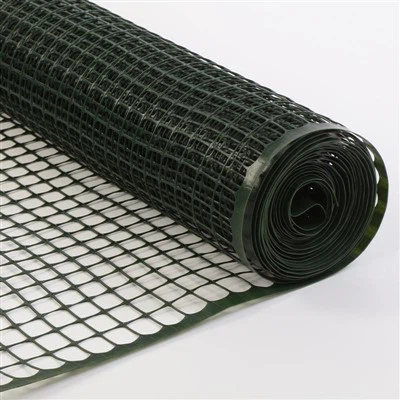
First, let’s get one thing straight: mobile coops aren’t stationary. That means your net isn’t just there to keep chickens in—it has to handle being rolled over uneven ground, dragged a few feet to new grass, stuffed into a tiny corner of the garage in winter, and pulled tight enough to not sag mid-week when the chickens decide to run laps. I’ve seen people grab random garden netting from the hardware store for $10 a roll, thinking it’s the same, and by week two, it’s got so many snags from rocks and thorns that half the net is hanging loose. Total waste. So let’s start with the non-negotiables, the stuff that doesn’t get talked about enough when you’re scrolling Amazon at 10 PM.
First up: material. Let’s skip the cheap plastic netting first. Yeah, it’s lightweight, but it breaks down in UV light way too fast—after a summer of being in the sun, it becomes brittle, and a single chicken flapping its wings hard can rip a hole big enough for a raccoon to squeeze through. I’ve also seen polypropylene nets that are advertised as “heavy duty” but still stretch like crazy after a month. You pull it tight, then by the next day it’s sagging so much the hens can roost on the bottom edge. Not ideal.
What works? Galvanized steel poultry netting, but not the kind that’s super heavy (we want mobile, remember). Wait, no—wait, there’s a middle ground here. The best mobile coop netting is usually high-tensile polyethylene that’s coated in zinc for rust resistance. Wait, let me back that up. High-tensile means it doesn’t stretch—once you pull it tight, it stays tight, no sagging. Zinc coating protects it from UV rays so it doesn’t get brittle after a year, not two months. I tested a batch of this last year with a guy who moves his tractor every other day across a rocky pasture, and that net’s still holding up, no rips, no sagging, while his old plastic net lasted 6 weeks. It’s a tiny bit more expensive upfront, but when you don’t have to replace it every 2 months, that’s a no-brainer.
Next, mesh size. This is huge, and I can’t stress that enough. If your mesh is too big, you’ve got two problems: predators and tiny chicks. Wait, let’s split that. For adult chickens, you don’t want mesh bigger than 2 inches, right? Wait no—wait, if it’s bigger than 2 inches, a raccoon can stick its paw through and grab a hen’s leg, and a hawk can reach in and grab a chick mid-flap. But if it’s too small, like less than 1 inch, then the net’s way too heavy to move around, and you’re wasting money on something that doesn’t need to be that dense. I recommend 1.5-inch mesh for mobile coops. Perfect balance: keeps out raccoon paws, hawk talons, and even stops mice from squeezing through, but light enough to roll or drag without breaking your back. I’ve had customers try 1-inch mesh and complain that their tractor’s netting is so heavy it takes two people to move it—total overkill.
Then there’s the height. Mobile coops are low, right? Usually 2 to 3 feet tall, so you don’t need a 6-foot net, that’s just extra material you’re paying for. Wait, but let’s be real—hens don’t fly high. Most breeds (even the flighty ones) only jump 2 to 3 feet max, so a 3.5-foot net is more than enough. Wait, but hold on—make sure the net has a reinforced top edge. Because when you’re moving the coop, you’ll be grabbing the top to pull it, and if it’s not reinforced, the edge will fray after a few moves. I always tell people to go for a net with a 2-inch reinforced border on the top—way sturdier, no fraying, no loose threads after months of moving.
Now, let’s talk about the extras that make a net actually good for mobile coops, not just any old poultry net. First, how does it attach to the coop? A lot of people use zip ties, but zip ties break in cold weather, and they’re a pain to take off when you want to move the coop. The best nets have built-in loops every few feet—usually plastic-coated metal loops that you can just clip or bolt to the tractor’s frame. No tools needed, takes 2 minutes to take the net off to move, 2 minutes to put it back on. I’ve seen so many people struggle with fumbling with zip ties in the dirt, and by the time they’re done, the sun’s setting and predators are out. Those loops are a game-changer.
Also, ground stakes. Wait, not all nets come with them, but make sure you get a net that works with standard poultry net stakes, or even better, has loops built into the bottom edge too. Because when you move the coop, you stake the net into the ground to keep predators from digging under. If the net’s bottom edge is just loose threads, you can’t attach stakes to it, so you have to lay it on the ground and hope a fox doesn’t dig under. Stakes are a must, but the net needs to have spots to put them. I usually recommend 6-inch metal stakes, not the flimsy plastic ones that bend after one use. Pair that with a good net, and digging predators are pretty much out of the picture.
Wait, let’s get real here—what about electric netting? A lot of people ask me about electric netting for mobile coops, and it’s a good option, but only if you’re in an area with a lot of predators. But here’s the thing: electric netting needs a charger, it’s more expensive, and if you’re moving your coop around, you’ve got to drag the charger with you, which is a hassle. For most small-scale homesteaders and backyard flocks, a good non-electric net is enough, as long as it’s predator-proof. I’ve had customers in areas with coyotes swear by electric, but for most people, the high-tensile coated net I mentioned earlier works just as well, without the extra equipment.
Now, let’s talk about common mistakes people make. First, buying the wrong size net for their coop. A lot of people measure their coop and then buy a net that’s exactly the size, but then they can’t pull it tight enough, so it sags. You need to buy a net that’s a foot or two longer and wider than your coop, so you have enough to pull it taut around the edges and stake it into the ground. I had a customer last year who had a 4×6 foot tractor, bought a 4×6 net, and ended up with a gap between the coop and the net that a weasel squeezed through and killed three chicks. Oops. Don’t do that. Leave extra length, it’s worth it.
Second mistake: not checking the net for snags before putting it up. Even a tiny snag can turn into a big hole in a week. I always tell people to run their hands all over the net before they install it, pull out any loose threads, and make sure there are no gaps in the mesh. It takes 5 minutes, and it saves you a ton of trouble later.
Third mistake: storing the net wrong. When you’re not using it, don’t just crumple it up in the garage. That will cause the material to kink and break down faster. Roll it up loosely, like you would a garden hose, and store it in a dry place. I’ve seen nets that lasted 3 years just because they were stored right, while another one that was crumpled in a corner lasted 10 months. That’s a huge difference.
Wait, let’s back up a second—what about different types of poultry? If you have larger birds, like Jersey Giants or Orpingtons, you need a sturdier net, right? Yeah, same rules apply, but maybe go with 2-inch mesh instead of 1.5, because larger birds have stronger wings, and 1.5 might be too thin. For bantams, tiny mesh (1 inch) works, but again, balance it with weight—you don’t want a net so heavy you can’t move it. Most of my customers with bantams go for the 1.5 mesh anyway, it works just fine.
Now, let’s get to the stuff I actually recommend, because I’ve tested all this. Like I said earlier, high-tensile polyethylene coated in zinc is the way to go. I’ve been working on a line of these for years, working with farmers to tweak the design—adding the reinforced top and bottom loops, making the mesh exactly 1.5 inches (or 2 inches for larger birds), keeping the weight light enough to handle. We even added UV inhibitors that make the net last 3 to 5 years, which is way longer than the cheap plastic stuff. And the best part? It’s not crazy expensive—way cheaper than replacing netting every season, and way cheaper than dealing with predator loss.
Wait, let’s talk about predator loss for a second, because that’s the big thing. I’ve had customers tell me they lost 4 hens in one night because their old net ripped. That’s hundreds of dollars, not to mention the heartbreak. A good mobile coop net is an investment, not a cost. If you spend $50 on a cheap net, replace it twice a year for two years, that’s $200 total, and you still have to deal with possible predation. Spend $100 on a good net, use it for 4 years, that’s $25 a year, and you can sleep at night knowing your girls are safe. That math adds up fast.
Another thing: portability. The whole point of a mobile coop is that you can move it to fresh grass so the hens don’t get parasites, right? If your net is too heavy, you’re not gonna move it as often, and that defeats the purpose. A good net should be lightweight enough for one person to carry, or at least roll up easily with the coop. The high-tensile coated net I mentioned is about half the weight of the heavy steel netting, so moving the coop is a breeze. No straining your back, no asking your neighbor to help every time you want to rotate the coop.
Wait, let’s address a common question I get: can I use poultry netting for other things? Sure, but for mobile coops, you need something that’s flexible and durable, not just a rigid fence. Rigid steel fencing is way too heavy, and if you roll a mobile coop over a rock, it can bend. The high-tensile net is flexible, so it bounces back if it gets hit, no bending, no breaking. That’s another big plus.
Let me give you a real example, because I hate generic advice. A customer named Mike from Ohio reached out to me last spring. He had a 10-hen flock, a 4×8 mobile tractor, and he was using a plastic net he bought at the local feed store. Within a month, there were holes from thorns on the fence line, and he had a hawk get two of his hens. He ordered one of our high-tensile nets, the 5-foot tall version (since his tractor was a bit taller than average), 1.5-inch mesh, with the reinforced loops. He told me a month later that he’d moved the coop three times, dragged it over rocky ground, no holes, no sagging, and he’d even noticed that the grass under the coop was looking way healthier because the net let rain through and the chickens were rotating the area. He said it was the best purchase he’d made for his chickens all year. That’s the kind of stuff that makes me know I’m on the right track.
Now, let’s wrap this up with the key takeaways, so you don’t have to scroll back through all this. First, material: go for high-tensile, zinc-coated polyethylene, not cheap plastic or flimsy polypropylene. It’s a bit more upfront, but lasts way longer. Second, mesh size: 1.5 inches for most flocks, 2 inches for large birds, 1 inch for bantams (but balance with weight). Third, height: 3.5 feet is perfect for mobile coops, no need for taller. Fourth, extras: reinforced top and bottom loops for easy attaching, works with standard metal ground stakes. Fifth, don’t forget to leave extra length when buying so you can pull the net tight and stake it, no saggy gaps. And sixth, store it right—roll it loosely, don’t crumple it, so it lasts as long as possible.

If you’re ready to stop dealing with flimsy nets, predator scares, and back-breaking work moving your coop, I’ve got you. We work with all sizes of flocks, from backyard homesteads with 5 hens to small farms with 50+, so we can help you pick the exact net that fits your mobile coop. Just reach out to us to chat through your needs, we’re happy to answer any questions and help you get set up with something that works for you and your girls. No pushy sales stuff, just real advice from people who know poultry (and netting) inside and out.
Detectable Warning Mesh References:
- American Poultry Association. (2022). Guidelines for Predator Exclusion in Backyard Poultry Operations.
- University Extension Service. (2021). Mobile Coop Design and Material Selection for Small-Scale Poultry Production.
- Poultry Science Journal. (2020). Durability of Poultry Netting Materials Under Outdoor UV and Abrasion Conditions.
- National Sustainable Agriculture Coalition. (2019). Best Practices for Rotational Grazing with Mobile Poultry Tractors.
Shaoxing Yongte Plastics Co., Ltd.
We are one of the most reliable poultry net manufacturers and suppliers in China, specialized in providing high quality customized products. We warmly welcome you to wholesale discount poultry net for sale here from our factory. Contact us for pricelist and free sample.
Address: INDUSTRIAL PARK, LIZHU TOWN, KEQIAO DISTRICT, SHAOXING CITY, ZHEJIANG PROVINCE
E-mail: support@sxxyongte.com.cn
WebSite: https://www.fenceplastic.com/
