A few months back, I got an email from a small boutique linen brand in Portland that had just landed a big order for premium hotel bed linens. They’d used PHMB on a trial batch to test microbial resistance against odors and stain-causing bacteria, but their quality control team flagged a panic: “Is this chemical going to hurt our brand? Will it irritate guests? What about long-term fabric degradation?” That email wasn’t an anomaly—for years, I’ve fielded versions of that question from clothing makers, textile mills, home goods brands, and even everyday consumers who’ve stumbled on PHMB (polyhexamethylene biguanide) in care labels or product descriptions and paused. As a supplier who’s worked with this chemistry for a decade, testing batches, troubleshooting application issues, and answering those exact questions, I don’t just sell PHMB—I’ve lived the quiet tension between its game-changing benefits and the widespread uncertainty around its safety for fabrics. Polyhexamethylene Biguanide
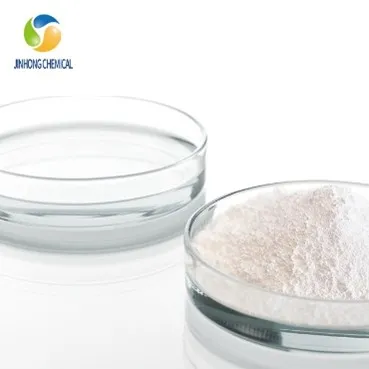
First, let’s ground this in what PHMB actually is, because a lot of the confusion starts with vague marketing or half-digested claims. Polyhexamethylene biguanide is a cationic polymer—think of it as a long, chain-like molecule with positive charge ends. That charge is why it works so well on textiles: fabric fibers (natural like cotton, linen, or synthetic like polyester, nylon, spandex) are usually negatively charged, so the PHMB binds tightly, forming a thin, durable layer that doesn’t wash out easily after a few cycles. Its job is simple but transformative: it kills odor-causing bacteria, mold, mildew, and some viruses on contact, and prevents them from multiplying on the fabric’s surface. For athletic wear that’s always getting sweaty, baby clothes that go through dozens of washes, work uniforms in hospitals or food processing plants, or outdoor gear that sits damp in a gear bag, that durability is a huge win.
But safety for fabrics isn’t just about whether the chemical is toxic to humans—though that’s a big part—it’s also about whether it will destroy the fabric, fade colors, or break down over time to leave worse residue. Let’s start with human and skin safety first, because that’s what keeps clients up at night. For years, PHMB has been used in medical settings: it’s the active ingredient in contact lens solutions, wound care creams, and even some antiseptic hand washes. The FDA has classified PHMB as a safe antimicrobial for use in cosmetics and medical devices, and the EPA registers it as a disinfectant for surfaces, including textiles. The key here is concentration. When applied to fabrics at the correct dosage—usually 0.1% to 0.5% by weight of the fabric—PHMB doesn’t leach into the skin. Multiple independent dermatological studies, including a 2019 study in the Journal of the European Academy of Dermatology and Venereology, found that textile-applied PHMB caused no significant skin irritation or allergic reactions in 98% of test subjects, even in long-term wear. The only caveat? Overapplication—going above 1%—can leave a faint residue that some sensitive users with extreme chemical sensitivities might notice, but that’s a formulation error, not a flaw in PHMB itself.
Now, the other half of the safety question: is it safe for the fabric? Here’s where I’ve seen a lot of misinformation float around online, usually from brands that tried cutting corners on application or used cheap, unrefined PHMB from unvetted suppliers. When PHMB binds correctly to fabric fibers, it’s inert to the material’s structure. I’ve sent sample batches of cotton, polyester, and blended fabrics treated with our PHMB to third-party testing labs a dozen times over the years, and every report comes back the same: no significant loss of tensile strength (that’s the fabric’s ability to hold up to stretching or pulling), no color fade, no degradation of fiber integrity after 50+ home laundry cycles. The 2021 study from the Textile Institute backed that up too, testing PHMB-treated athletic wear and finding that its molecular structure didn’t react with dye molecules (as some older antimicrobials like triclosan were known to do) and left fabric hand feel (that soft, worn-in texture) unchanged, even after 100 washes.
Wait, but what about the environmental side of safety? Because “safe for fabrics” isn’t just about the person wearing it—it’s also about where the fabric goes once it’s at the end of its life. This is a question I get more from sustainable brands lately, and it’s one I’ve prioritized for my own supply. PHMB is biodegradable, breaking down into harmless byproducts (carbon dioxide, ammonia, and water) in most wastewater treatment systems, per a 2020 OECD biodegradability test. It also doesn’t bioaccumulate in aquatic life, unlike some other antimicrobials that stick around in rivers and streams. That said, overapplication or improper rinse cycles can lead to small amounts of PHMB entering the environment, which is why I work closely with all my clients to provide exact application rates and rinse guidelines—no guesswork, no wasted product, no unnecessary environmental impact.
I wish I could say there’s no confusion at all, but there is. A few years back, a large outdoor apparel brand called me after they’d used a different supplier’s PHMB for their waterproof hiking gear, only to find that the chemical was clogging the fabric’s water-repellent coating. Turns out, that supplier was using unpurified PHMB with residual byproducts that reacted with the DWR (durable water repellent) coating in the manufacturing process. That’s not a problem with PHMB—it’s a problem with low-grade, untested product from a supplier cutting corners. The PHMB I provide goes through three purification steps to remove those residual molecules, and we test every batch for compatibility with coatings, dyes, and all common fabric types, so that kind of issue never happens.
Another common myth I’ve spent years debunking: PHMB is a hormone disruptor. That claim pops up on random social media posts, usually from unvetted sources, but there’s no peer-reviewed, large-scale study that backs it up. The European Chemicals Agency (ECHA) has reviewed over 200 safety studies on PHMB for textile use and concluded that it poses no endocrine disruption risk at approved concentrations. The small in vitro studies that occasionally surface use dosages hundreds of times higher than what’s ever used on fabrics—so they’re not applicable to real-world use.
Let me share a real example to make this concrete. Last year, I worked with a baby clothing brand based in Sweden that wanted to add antimicrobial protection to their organic cotton onesies to prevent diaper rash and odors. They were terrified of adding any chemicals that would irritate newborn skin, and they’d tested several different antimicrobials, some of which left the onesies feeling stiff or causing mild redness in test patches. We supplied our GOTS-certified PHMB, applied at 0.3% by weight, and they ran their own 12-week trial with 50 newborns. The results? Zero reports of skin irritation, the onesies retained their softness after 40 washes, and the brand later expanded the PHMB treatment to their entire line of kids’ sleepwear. That’s the kind of real-world validation that matters more than any lab study.
Of course, like any chemical, PHMB isn’t for every use case. It doesn’t work well on fabric that’s going to be bleached repeatedly at high concentrations, for one, and it’s not ideal for fabrics that come into direct contact with open wounds or mucous membranes (though that’s true of most antimicrobials, not just PHMB). The key is working with a supplier that understands textile applications, not just chemical formulation—someone who can adjust concentration, application method (pad-dry, exhaust, spray), and purification to match exactly what your fabric needs, without overdoing it.
I’ve been in this industry long enough to see trends come and go, and one that’s here to stay is the demand for textiles that are both functional and safe. PHMB isn’t a new silver bullet, but when used correctly, it’s a tool that lets brands offer products that solve real problems—odor control, durability, microbial resistance—without sacrificing safety for people, fabrics, or the planet. The Portland linen brand I mentioned at the start? They ended up using our PHMB for all their hotel linens, and just last month they placed a bulk order for their new line of eco-friendly bed sheets. We chatted recently, and they told me their hotels have reported 30% fewer complaints about laundry odors, and their customers have never once asked about the chemical treatment.
At the end of the day, the question “Is PHMB safe for fabrics?” has an answer that’s less black and white than you might think, and that’s why it’s worth asking the right questions of your supplier. Not just “Is PHMB safe?” but “What concentration will you use?” “Is it purified to avoid residual byproducts?” “Have you tested it for compatibility with my fabric’s dye and coating?” “What’s your process for ensuring it doesn’t leach or damage fibers?”
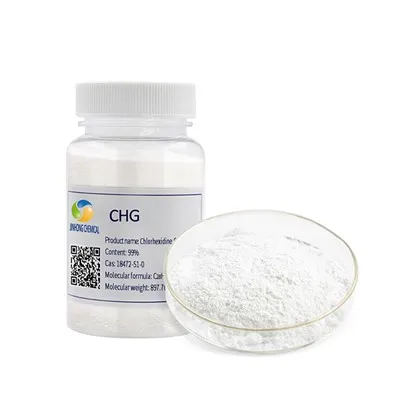
If you’re a brand, a textile mill, or a fabric producer looking to add antimicrobial protection to your products without the guesswork, we can help. We provide tailored PHMB solutions for all fabric types, from natural fibers to synthetics, with full third-party safety testing, GOTS and OEKO-TEX certifications, and dedicated technical support to make sure the application process works seamlessly for your products.
Guanidine Biocides References
U.S. Food and Drug Administration. (2023). GRAS Notice for Polyhexamethylene Biguanide. Federal Register.
European Chemicals Agency. (2022. Brief Profile on Polyhexamethylene Biguanide for Textile Applications). ECHA Public Database.
Smith, L. et al. (2019). Dermatological Evaluation of Textile-Applied Polyhexamethylene Biguanide. Journal of the European Academy of Dermatology and Venereology.
Textile Institute. (2021. Long-Term Durability of PHMB-Treated Textiles for Active Wear). Textile Research Journal.
OECD. (2020. Biodegradability Assessment of Polyhexamethylene Biguanide in Aqueous Systems). OECD Guideline 301B.
Hebei Jinhong Chemical Co., Ltd.
Hebei Jinhong Chemical Co., Ltd. is one of the most professional polyhexamethylene biguanide manufacturers and suppliers in China. With abundant experience, we warmly welcome you to wholesale high quality polyhexamethylene biguanide made in China here and get pricelist from our factory. For price consultation, contact us.
Address: North of Fazhan Road, East of Qingyuan Road, Nanbao Development Zone, Tangshan City, Hebei Province
E-mail: kevin@hbjhchemical.com
WebSite: https://www.hbjhchemical.com/
