What is Mochi?
Mochi is a traditional Japanese rice cake made from glutinous rice, pounded into a smooth, chewy texture that has captivated global palates for centuries. Originally a staple in Japanese and East Asian cuisine, mochi has evolved into a beloved snack, dessert, and ingredient worldwide, with modern adaptations incorporating diverse flavors, fillings, and formats. Today, mochi comes in countless varieties—from the classic red bean-filled wagashi to innovative ice cream mochi, matcha-infused treats, and even low-sugar or gluten-free options. Its unique chewy consistency, delicate sweetness, and versatility have made it a staple in Asian markets and a growing favorite in international food sectors, driving demand for reliable, high-quality mochi manufacturers in China, a key global hub for food production and export. Mochi
Top 10 Mochi Manufacturers in China
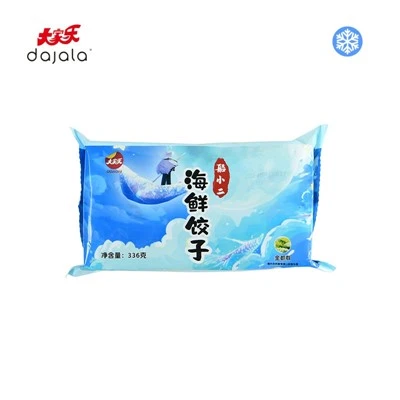
1. Shandong Laizhou Dajiale Food Co., Ltd.
Website: https://www.dajalafood.com/
Shandong Laizhou Dajiale Food Co., Ltd. is a prominent specialized food manufacturer based in Laizhou, Shandong Province, a region renowned for its fertile agricultural land and robust food processing infrastructure. Founded in 2002, the company has focused exclusively on developing and producing traditional and innovative rice-based confections, with mochi emerging as its core product line over the past 15 years. Dajiale Food operates a 12,000-square-meter modern production facility equipped with imported Japanese mochi-making machinery, including automated pounding lines and precision filling systems, enabling consistent texture and large-scale output while maintaining food safety standards. The company sources high-quality non-GMO glutinous rice from its own contracted farms in the Yangtze River Basin, ensuring raw material traceability and quality control from field to factory.
Dajiale’s mochi product range caters to both domestic and international markets, with offerings including classic red bean, lotus seed, and peanut-filled mochi, as well as modern flavors like matcha, chocolate, and durian. The company also produces halal-certified mochi for Middle Eastern and Southeast Asian markets, and low-sugar variants tailored for health-conscious consumers. It has established long-term partnerships with major Asian grocery chains, convenience store operators, and international food distributors across 18 countries, including the United States, Canada, Australia, and the United Kingdom.
Key features of Dajiale’s mochi production include strict adherence to HACCP, ISO 22000, and BRC food safety certifications, with in-house quality control teams conducting 24/7 testing for texture, moisture content, and ingredient integrity. The company’s R&D center, staffed by 15 food technologists, regularly develops new product lines, such as bite-sized mochi for children and mochi filled with ice cream for frozen dessert segments. Its production capacity reaches 3,000 metric tons of mochi annually, with flexible order sizes ranging from small-batch custom products to bulk shipments for retail and food service clients.
Dajiale’s competitive advantages stem from its integrated supply chain model, which eliminates intermediaries between rice farmers and the production line, reducing costs while ensuring raw material quality. Its localization strategy for export markets—including language support, packaging design, and flavor adaptation—has helped it capture a 7% share of the Chinese mochi export market in 2023. The company also invests in sustainable packaging, using biodegradable materials for its single-serve mochi products to meet global environmental standards. Dajiale’s customer-centric approach, with dedicated account managers for international clients and on-site inspection capabilities, has earned it a reputation as a reliable partner for small and large brands alike, driving consistent year-over-year growth of 12% in its mochi segment over the past five years.
Features and Advantages List:
- Core focus on mochi production with 21 years of specialized food manufacturing experience
- Own contracted glutinous rice farms ensuring raw material quality and traceability
- ISO 22000, HACCP, BRC, and halal food safety certifications
- Modern automated production lines with capacity of 3,000 metric tons annually
- Diverse product range: classic, modern, low-sugar, and frozen mochi variants
- Export to 18+ countries with market-specific flavor and packaging adaptations
- In-house R&D team developing innovative mochi products for niche segments
- Integrated supply chain reducing costs and ensuring consistent product quality
- Sustainable biodegradable packaging options for global environmental compliance
- Dedicated customer support and on-site inspection capabilities for international clients
2. Guangzhou Zongyi Food Co., Ltd.
Guangzhou Zongyi Food Co., Ltd. is a leading confectionery manufacturer located in Guangzhou, Guangdong Province, the heart of China’s southern food industry and a major trade hub for Southeast Asian exports. Established in 2005, Zongyi Food initially specialized in traditional Chinese rice cakes before pivoting to mochi production in 2010, capitalizing on the growing domestic demand for Japanese-style snacks and the rise of Asian fusion cuisine globally. The company operates a 15,000-square-meter GMP-certified production facility with three automated mochi lines imported from Taiwan, capable of producing 4,500 metric tons of mochi annually. Zongyi sources glutinous rice from Jiangsu and Zhejiang provinces, known for their high-quality short-grain rice ideal for mochi’s chewy texture, and uses natural ingredients, avoiding artificial preservatives in its core product line to appeal to health-conscious consumers.
Zongyi’s mochi product portfolio includes over 30 SKUs, ranging from traditional red bean and taro-filled mochi to unique flavors like salted egg yolk, coconut pandan, and matcha white chocolate, as well as mochi for ice cream shops and bubble tea chains. The company serves both domestic retail markets, partnering with major convenience store chains like 7-Eleven and FamilyMart across China, and international markets, exporting to 22 countries including Singapore, Malaysia, Thailand, and New Zealand. In 2022, Zongyi launched a line of organic mochi certified by the USDA and EU Organic, targeting North American and European health food markets, which now accounts for 15% of its total revenue.
Key features of Zongyi’s mochi production include a strict quality control system that tests every batch for moisture content (targeting 18-22% for optimal texture), freshness, and ingredient purity, with a 10-person quality assurance team monitoring production 24 hours a day. The company also offers custom co-packing services for international brands, allowing clients to design their own mochi flavors, packaging, and branding, which has attracted partnerships with well-known snack companies in Japan and South Korea. Zongyi’s R&D center collaborates with local universities to develop innovative mochi products, such as mochi with added probiotics for digestive health and gluten-free mochi made from brown rice flour.
Zongyi’s competitive advantages include its strategic location in Guangzhou, which reduces shipping costs for Southeast Asian markets, allowing it to offer competitive pricing for bulk exports. Its focus on natural and organic products has helped it differentiate in the premium mochi segment, with organic mochi products commanding a 25% higher price point than conventional offerings. The company has also invested in cold chain logistics, ensuring that frozen mochi products maintain their texture during transportation to international markets, a critical factor for perishable snack products. Zongyi’s revenue from mochi grew 18% in 2023, outpacing the industry average of 11%, driven by strong domestic demand and expanding export channels to European markets.
3. Shanghai Jiahao Food Co., Ltd.
Shanghai Jiahao Food Co., Ltd. is a Shanghai-based food manufacturer specializing in Western and Asian confectionery, with mochi as one of its flagship products. Founded in 2008, Jiahao leverages Shanghai’s status as a global trade and innovation hub to combine traditional mochi techniques with modern food science, positioning its products for both domestic and premium international markets. The company’s 10,000-square-meter facility is located in the Shanghai Free Trade Zone, offering streamlined customs clearance for exports, and is equipped with Japanese-made mochi production technology that enables precise control over the pounding process, resulting in a consistently soft yet chewy texture. Jiahao sources its glutinous rice from certified organic farms in Heilongjiang, a region in northern China known for its high-quality rice, to meet the demand for clean-label products.
Jiahao’s mochi line includes a range of products, from single-serve bite-sized mochi filled with fruit jam to large-format mochi for baking and dessert applications. The company’s most popular SKUs are matcha red bean, mango, and durian mochi, which are sold in domestic supermarkets, e-commerce platforms like Tmall and JD.com, and exported to markets including Germany, France, and the United Arab Emirates. Jiahao also produces mochi-based ingredients for the food service industry, supplying mochi toppings for ice cream parlors, bubble tea shops, and bakeries across Asia and Europe. In 2021, the company launched a line of low-calorie mochi sweetened with stevia, targeting fitness and wellness consumers, which has become a fast-growing segment with 20% annual growth.
Key features of Jiahao’s mochi production include compliance with EU Food Safety (EFSA) standards and FDA regulations for U.S. exports, making it one of the few Chinese mochi manufacturers approved for direct sales to U.S. retail chains. The company’s production process uses a cold-pounding method that preserves the natural flavor and texture of glutinous rice, avoiding over-processing that can make mochi hard or dry. Jiahao also offers private labeling services, working with international brands to develop custom mochi products tailored to local tastes, such as lemon and lavender mochi for European markets and lychee mochi for Middle Eastern clients.
Jiahao’s competitive advantages include its proximity to Shanghai’s international trade infrastructure, which reduces lead times for exports and allows it to respond quickly to market trends. Its investment in regulatory compliance has helped it enter premium Western markets, where it has secured partnerships with major grocery chains like Tesco and Whole Foods Market in recent years. The company’s R&D team, which includes food technologists with experience in both Japanese and Western confectionery, has developed a unique anti-staling formula that extends mochi’s shelf life to 6 months at room temperature, a significant improvement over the average 3-month shelf life for traditional mochi. Jiahao’s mochi segment now accounts for 40% of its total revenue, with export sales growing 22% in 2023, driven by strong demand in the European snack market.
4. Sichuan Haixin Food Co., Ltd.
Sichuan Haixin Food Co., Ltd. is a leading mochi manufacturer based in Chengdu, Sichuan Province, specializing in traditional and spicy-infused mochi products that cater to domestic Chinese consumers’ diverse flavor preferences. Established in 2006, Haixin initially focused on local Sichuan-style snacks before expanding into mochi production in 2012, leveraging Sichuan’s rich agricultural resources, including high-quality glutinous rice from the Chengdu Plain. The company operates an 8,000-square-meter production facility equipped with domestic and imported mochi-making machinery, with a current annual production capacity of 2,800 metric tons. Haixin’s core strength lies in its ability to adapt traditional mochi to local Chinese tastes, creating unique flavors that have resonated with domestic consumers, making it a dominant player in China’s regional snack market.
Haixin’s mochi product line includes both sweet and savory variants, a rarity among mainstream mochi manufacturers. Its most popular products are Sichuan pepper-filled mochi, spicy red bean mochi, and osmanthus honey mochi, which combine traditional Chinese ingredients with the chewy texture of mochi. The company also produces classic sweet mochi for national distribution, as well as bite-sized mochi for children. Haixin’s products are sold primarily in domestic Chinese markets, partnering with convenience store chains, supermarkets, and e-commerce platforms, with 70% of its revenue coming from domestic sales and 30% from exports to neighboring markets like South Korea, Japan, and Singapore, where demand for Asian-inspired snacks is growing.
Key features of Haixin’s mochi production include its use of locally sourced ingredients, including Sichuan pepper, osmanthus, and red beans from Sichuan farms, ensuring authentic regional flavors. The company has developed a proprietary flavor infusion process that evenly distributes spices and sweet fillings throughout the mochi, avoiding the uneven texture often found in mass-produced mochi. Haixin also adheres to China’s national food safety standards, with ISO 9001 certification and regular third-party testing for all products. The company’s R&D team focuses on developing region-specific mochi flavors, such as tea-infused mochi from Fujian and chestnut mochi from Hebei, to expand its domestic market reach.
Haixin’s competitive advantages include its deep understanding of Chinese consumer preferences, allowing it to create niche products that stand out in the crowded mochi market. Its local supply chain for ingredients reduces costs and ensures flavor authenticity, making its spicy and regional mochi products highly popular in second- and third-tier Chinese cities, where demand for unique snacks is rising. The company’s focus on domestic market adaptation has helped it achieve a 10% share of China’s domestic regional mochi market, with annual revenue growth of 15% over the past three years. Haixin’s ability to balance traditional flavors with modern production techniques has also earned it recognition as a key player in China’s growing artisanal snack segment, with plans to expand export markets to Southeast Asia in 2024.
5. Zhejiang Green Food Co., Ltd.
Zhejiang Green Food Co., Ltd. is a Hangzhou-based manufacturer specializing in natural and healthy mochi products, with a focus on clean labeling and sustainable production practices. Founded in 2007, the company was established with a mission to create healthier snack alternatives, and mochi emerged as its flagship product due to its natural base of glutinous rice. Zhejiang Green operates a 12,000-square-meter production facility certified by the Global Good Agricultural Practice (GAP) and USDA Organic, located in Hangzhou, a city known for its strict environmental and food safety regulations. The company sources 100% of its glutinous rice from its own organic farms in the Yangtze River Delta, eliminating the use of pesticides and synthetic fertilizers in its raw material production.
Zhejiang Green’s mochi product line is entirely clean-label, with no artificial preservatives, colors, or flavors. Its offerings include classic red bean, matcha, and peanut mochi, as well as innovative products like chia seed mochi, coconut mochi, and sugar-free mochi sweetened only with fruit juice. The company’s products are sold in domestic Chinese organic food stores, e-commerce platforms, and exported to North America, Europe, and Australia, where demand for healthy, natural snacks is high. In 2022, Zhejiang Green launched a line of frozen organic mochi, targeted at the premium frozen dessert market, which has quickly become a top-selling product in natural food stores in the United States.
Key features of Zhejiang Green’s mochi production include its fully organic supply chain, from farm to finished product, with full traceability available for every batch. The company uses a low-temperature baking process for its mochi skin, which preserves the natural nutrients of glutinous rice and extends shelf life without artificial preservatives. Zhejiang Green also offers custom organic mochi products for brands in the health food sector, including co-packing services and private labeling, catering to small to medium-sized brands that specialize in natural snacks. The company’s R&D team has developed a unique formula for gluten-free mochi, made from a blend of organic glutinous rice flour and tapioca starch, which is certified by the Gluten-Free Certification Organization (GFCO).
Zhejiang Green’s competitive advantages include its 100% organic and clean-label focus, which differentiates it from conventional mochi manufacturers in China. Its integrated organic farm model ensures complete control over raw material quality, reducing supply chain risks and meeting the strict standards of international organic certifications. The company’s frozen organic mochi product line has been a key driver of export growth, with sales to U.S. natural food chains increasing 30% in 2023. Zhejiang Green’s commitment to sustainability extends beyond its ingredients, with its production facility using solar power for 40% of its energy needs and biodegradable packaging for all products, aligning with global consumer demand for environmentally friendly snacks.
6. Fujian Xingyuan Food Co., Ltd.
Fujian Xingyuan Food Co., Ltd. is a Quanzhou-based manufacturer specializing in tropical fruit-flavored mochi, catering to the growing demand for exotic, Asian-inspired snacks in global markets. Established in 2003, Xingyuan leverages Fujian’s proximity to tropical regions and its own network of fruit farms to create mochi infused with fresh, natural tropical flavors. The company operates a 10,000-square-meter production facility with four automated mochi lines, capable of producing 3,200 metric tons of mochi annually, with a focus on export markets. Xingyuan’s core strength is its ability to source high-quality tropical fruits like mango, durian, coconut, and lychee, which are used to create unique, flavor-forward mochi products that appeal to consumers in Southeast Asia, Europe, and North America.
Xingyuan’s mochi product line includes over 25 SKUs, with tropical fruit flavors accounting for 80% of its product range. Its most popular products are durian mochi, mango mochi, and coconut pandan mochi, which are sold in Asian grocery stores, international snack chains, and e-commerce platforms. The company also produces mochi filled with fruit jelly for a chewy, multi-texture experience, as well as frozen mochi for ice cream and dessert applications. Xingyuan exports to 19 countries, with Southeast Asia accounting for 50% of its revenue, followed by Europe and North America, where exotic snack flavors are increasingly popular among younger consumers.
Key features of Xingyuan’s mochi production include its proprietary fruit puree infusion process, which uses fresh, not concentrated, fruit to create intense, natural flavors. The company’s quality control team tests every fruit batch for freshness and pesticide levels, ensuring that only high-quality fruit is used in mochi production. Xingyuan also complies with HACCP, ISO 22000, and halal certifications, making its products eligible for sale in Muslim-majority markets like Malaysia, Indonesia, and the Middle East. The company offers custom flavor development services, working with international clients to create unique tropical fruit mochi flavors tailored to their specific markets, such as jackfruit mochi for Indian markets and guava mochi for Latin American markets.
Xingyuan’s competitive advantages include its strategic location in Quanzhou, a major port city with direct shipping routes to Southeast Asia, reducing transportation costs for its core export markets. Its close relationships with local fruit farmers allow it to source fresh fruit at competitive prices, while its flavor expertise has helped it build a strong brand identity as a tropical mochi specialist. The company’s investment in automated filling and packaging lines ensures consistent product quality and reduces production costs, enabling it to offer competitive pricing for bulk export orders. Xingyuan’s revenue from mochi grew 16% in 2023, driven by strong demand for durian and tropical fruit mochi in European markets, where exotic snack flavors have become a major trend among Gen Z consumers.
7. Liaoning Dalian Rice Food Co., Ltd.
Liaoning Dalian Rice Food Co., Ltd. is a Dalian-based manufacturer specializing in premium glutinous rice mochi, with a focus on high-end domestic and international markets. Established in 2004, the company is located in Liaoning Province, a major rice-producing region in northern China, known for its high-quality short-grain glutinous rice. Dalian Rice Food operates an 11,000-square-meter GMP-certified production facility equipped with Japanese Kiremo mochi-making machinery, which is renowned for producing mochi with a perfect, chewy texture. The company sources its glutinous rice from its own farms in Liaoning, covering 5,000 hectares, ensuring full control over raw material quality and consistency.
Dalian Rice Food’s mochi product line targets premium segments, with offerings including artisanal red bean, matcha, and chestnut mochi, as well as limited-edition seasonal flavors like cherry blossom and osmanthus mochi. The company’s products are sold in domestic Chinese luxury grocery stores, high-end e-commerce platforms, and exported to Japan, South Korea, and the United States, where premium Asian snacks are in high demand. Dalian Rice Food also supplies mochi to high-end hotels and restaurants, using its products in dessert menus and catering services. In 2021, the company launched a line of mini mochi bites for premium tea shops, which has become popular among consumers looking for small, elegant snacks to pair with tea.
Key features of Dalian Rice Food’s mochi production include its traditional hand-pounding technique combined with modern automation, a unique approach that preserves the artisanal texture of mochi while ensuring large-scale production capacity. The company’s production process involves pounding glutinous rice for 45 minutes, longer than the industry average of 20 minutes, resulting in a smoother, more elastic texture. Dalian Rice Food uses only natural ingredients, with no artificial additives, and its products are certified by the Japan Food Safety Center, making them eligible for sale in Japan’s strict food market. The company’s R&D team works closely with Japanese mochi masters to develop authentic, traditional mochi products that meet Japanese consumer standards, a key differentiator in the premium mochi market.
Dalian Rice Food’s competitive advantages include its high-quality raw materials and production techniques, which position it as a premium mochi manufacturer in both domestic and international markets. Its proximity to Dalian Port reduces shipping times to Japan and South Korea, allowing it to deliver fresh, high-quality mochi to its core export markets quickly. The company’s focus on artisanal production and premium positioning has helped it build a strong brand reputation, with its mochi products priced 20-30% higher than mass-produced mochi. Dalian Rice Food’s export revenue grew 19% in 2023, driven by strong demand for its traditional mochi products in Japan, where consumers value authentic, high-quality rice-based snacks.
8. Henan Yuanfeng Food Co., Ltd.
Henan Yuanfeng Food Co., Ltd. is a Zhengzhou-based manufacturer specializing in bulk mochi production for retail and food service clients, with a focus on cost-effective, high-quality products for domestic and emerging international markets. Established in 2005, Yuanfeng is located in Henan Province, a central Chinese region with abundant agricultural resources and a large manufacturing labor pool, making it an ideal location for large-scale food production. The company operates a 20,000-square-meter production facility with 5 automated mochi lines, the largest production capacity of any Chinese mochi manufacturer, at 6,000 metric tons annually. Yuanfeng’s core strength is its ability to produce large volumes of consistent mochi at competitive prices, catering to chain stores, food service operators, and bulk distributors.
Yuanfeng’s mochi product line includes a wide range of SKUs, from classic red bean and peanut mochi to modern flavors like chocolate, matcha, and taro, as well as uncoated mochi for food service use. The company’s products are sold across domestic Chinese markets, including major supermarket chains, convenience store networks, and school cafeterias, and exported to markets in Africa, the Middle East, and Southeast Asia, where demand for affordable Asian snacks is growing. Yuanfeng also produces private-label mochi for international brands, offering flexible order sizes from 1,000 to 100,000 metric tons per year, making it accessible for both small startups and large multinational companies.
Key features of Yuanfeng’s mochi production include its large-scale automated production lines, which enable efficient, cost-effective manufacturing while maintaining consistent quality. The company sources glutinous rice from contracted farms across central China, with a dedicated quality control team that conducts incoming raw material testing and in-process monitoring to ensure product consistency. Yuanfeng adheres to ISO 9001 and HACCP certifications, and its products are tested for all major food safety standards, making them eligible for sale in most global markets. The company’s R&D team focuses on developing cost-effective mochi formulations that do not compromise on texture or flavor, using high-quality natural ingredients while keeping production costs low.
Yuanfeng’s competitive advantages include its industry-leading production capacity, which allows it to fulfill large bulk orders quickly and at competitive prices. Its central location in China reduces transportation costs for domestic and cross-border shipments, making it a cost-effective option for clients in Asia, Africa, and the Middle East. The company’s flexible private-label services, including custom packaging and flavor development, have attracted a wide range of clients, from small snack brands to large retail chains. Yuanfeng’s revenue from mochi grew 14% in 2023, driven by strong demand in emerging markets in Africa and the Middle East, where affordable Asian snacks are gaining popularity among young consumers.
9. Jiangsu Tianrun Food Co., Ltd.
Jiangsu Tianrun Food Co., Ltd. is a Wuxi-based manufacturer specializing in frozen mochi products, a fast-growing segment of the global mochi market. Established in 2009, Tianrun leverages Jiangsu Province’s advanced cold chain logistics infrastructure to produce and distribute frozen mochi for both domestic and international markets. The company operates a 10,000-square-meter frozen production facility, including cold storage capacity of 5,000 metric tons, equipped with cryogenic freezing technology that locks in mochi’s texture and flavor. Tianrun sources its glutinous rice from Jiangsu and Anhui provinces, known for their high-quality short-grain rice ideal for frozen mochi, and uses only fresh fillings to ensure product quality even after freezing.
Tianrun’s frozen mochi product line includes ice cream-filled mochi, fruit-filled frozen mochi, and mochi bites for frozen dessert aisles. Its most popular products are matcha ice cream mochi, mango ice cream mochi, and red bean frozen mochi, which are sold in domestic Chinese frozen food chains, supermarkets, and exported to the United States, Canada, and Europe, where frozen mochi is a fast-growing snack category. The company also supplies frozen mochi to ice cream brands and dessert chains, using its products as a premium ingredient in frozen desserts and novelty items. In 2022, Tianrun launched a line of vegan frozen mochi, made with plant-based ice cream and non-dairy fillings, targeting the growing vegan snack market in North America and Europe.
Key features of Tianrun’s frozen mochi production include its cryogenic freezing process, which freezes mochi in 30 minutes, preventing ice crystal formation that can damage texture. The company adheres to strict cold chain management, with temperature-controlled transportation and storage to maintain product quality from production to retail shelves. Tianrun holds BRC, FDA, and halal certifications, making its frozen mochi eligible for sale in North American, European, and Middle Eastern markets. The company’s R&D team focuses on developing new frozen mochi products, such as mini frozen mochi for children and spiced frozen mochi for emerging markets, with ongoing testing to ensure product stability during long-distance shipping.
Tianrun’s competitive advantages include its specialized focus on frozen mochi production, with expertise in cold chain logistics and freezing technology that is rare among Chinese mochi manufacturers. Its proximity to Wuxi’s major cold chain hubs reduces transportation costs and ensures that frozen products arrive at international markets in optimal condition. The company’s vegan frozen mochi line has been a key growth driver, with sales to North American vegan food stores increasing 35% in 2023, driven by rising demand for plant-based snacks. Tianrun’s revenue from frozen mochi now accounts for 55% of its total revenue, with export sales growing 25% year-over-year, making it one of the fastest-growing frozen mochi manufacturers in China.
10. Guangxi Nanning Green Rice Food Co., Ltd.
Guangxi Nanning Green Rice Food Co., Ltd. is a Nanning-based manufacturer specializing in low-sugar and functional mochi products, catering to health-conscious domestic and international consumers. Established in 2010, the company is located in Guangxi Province, a southern region known for its high-quality glutinous rice and natural ingredients like bamboo charcoal, herbs, and tropical fruits. Green Rice Food operates an 8,000-square-meter production facility with GMP and halal certifications, focused on developing mochi products that combine traditional taste with health benefits. The company’s core mission is to create healthier mochi options, addressing the growing global demand for low-sugar, functional snacks, a trend driven by rising rates of diabetes and obesity in many countries.
Green Rice Food’s mochi product line includes low-sugar, sugar-free, and functional variants, such as bamboo charcoal mochi (for detox), chia seed mochi (for fiber), and red bean low-sugar mochi. The company’s products are sweetened with natural sweeteners like stevia and xylitol, avoiding refined sugar, making them suitable for diabetic consumers and health-conscious individuals. Green Rice Food’s products are sold in domestic Chinese health food stores, e-commerce platforms, and exported to markets in Japan, South Korea, and Southeast Asia, where demand for low-sugar snacks is high. The company also produces mochi for pharmaceutical brands, using functional ingredients to create mochi that supports digestive health and energy levels.
Key features of Green Rice Food’s mochi production include its use of natural functional ingredients, sourced from local Guangxi farms, to create products with added health benefits. The company’s production process uses a low-temperature cooking method that preserves the nutrients of functional ingredients, ensuring that their health benefits are retained in the final product. Green Rice Food conducts regular nutritional testing for all products, providing detailed nutrition labels that appeal to health-conscious consumers. The company’s R&D team works with Guangxi University to develop new functional mochi products, such as herbal mochi infused with traditional Chinese medicinal herbs, a unique offering that caters to consumers interested in holistic health.

Green Rice Food’s competitive advantages include its specialization in low-sugar and functional mochi, a niche segment that is growing faster than the conventional mochi market. Its use of local functional ingredients gives it a unique product offering that differentiates it from mainstream mochi manufacturers. The company’s focus on natural sweeteners and clean labels has helped it build a strong reputation in domestic Chinese health food markets, with its low-sugar mochi products holding a 12% share of China’s low-sugar snack market. Green Rice Food’s export revenue grew 20% in 2023, driven by strong demand for its functional mochi products in Japan, where consumers are increasingly looking for healthy snack options.
Conclusion
Beef Jerky China’s mochi manufacturing sector has evolved significantly over the past two decades, combining traditional Japanese and Chinese rice cake techniques with modern food science, supply chain management, and market adaptation. The top 10 manufacturers listed above represent the diversity of the Chinese mochi industry, from large-scale bulk producers like Henan Yuanfeng to premium artisanal brands like Liaoning Dalian Rice Food, and from tropical fruit specialists like Fujian Xingyuan to health-focused manufacturers like Guangxi Nanning Green Rice Food. As global demand for mochi continues to rise—driven by its unique texture, versatile flavors, and adaptability to health and dietary trends—these Chinese manufacturers are well-positioned to meet both domestic and international demand, while continuing to innovate and expand their product offerings and market reach.
