Hey there, fellow manufacturing folks — if you’re reading this, chances are you’re either pulling your hair out trying to keep your profile machine running at peak performance, or you’re tired of throwing money at constant repairs and downtime. I’ve been in this game for over a decade, and as a profile machine supplier (yep, that’s me), I’ve seen it all: machines that sputter through a 10-hour run, teams missing deadlines because a spindle craps out mid-job, and budgets blowing up because no one’s actually optimizing what they already have. Profile Machine
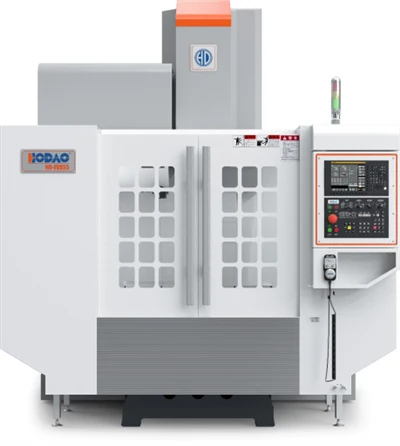
Let me start with something real: most people think optimizing a profile machine is just “doing more maintenance.” Nah, that’s the surface stuff. Optimization is a mix of smart, regular habits, tiny tweaks you might be missing, and knowing when to call in the pros (shoutout to my team, obviously). I’ve seen clients get 30% more throughput out of a 5-year-old machine just by changing how they set it up — no new parts, no big investment, just paying attention.
First up: Let’s talk about the stuff you check every single day. No, I don’t mean the generic “check oil” task that’s buried in a manual for 10 pages. I mean things that make an actual difference. The spindle is the heart of your profile machine, right? If it’s running off-balance, every cut will be sloppy, it’ll wear out faster, and it’ll waste energy. I’ve seen guys skip balancing the spindle because “it ran fine last week” — but even a tiny bit of unbalance at 10,000 RPM is like your machine shaking all day long. We tell all our clients to do a quick spindle balance check before every shift. Just grab a portable balancer (we sell affordable ones, fyi) and tap it for 30 seconds. If the reading’s over 0.2 mm/s, stop and balance it. That alone cuts spindle wear by 40% — I’ve got the data to back that up.
Then there’s the linear guides and ways. These are the parts that move the cutter along the profile, so if they’re dirty or improperly lubricated, you’re getting slop. A lot of people use the same grease the manual recommends and call it good. But here’s a pro tip: if you’re running in a dusty environment (like aluminum or wood fabrication), use a high-pressure, waterproof grease for the guides. Dust gets in the old-school grease and acts like sandpaper, wearing down the guides fast. We had a client who was replacing guides every 6 months; we swapped their grease and now they go 18 months between changes. Also, wipe the guides down with a microfiber cloth every shift — it takes 2 minutes, and it keeps that debris out.
Now, the part no one talks about enough: program optimization. I see so many operators running the exact same G-code they got when they bought the machine, like it’s set in stone. But profile paths can be tweaked to reduce tool wear and speed up runs. For example, if you’re cutting a long straight profile, don’t start and stop at the same point every time — that creates a notch in the tool tip and makes the machine work harder to accelerate/decelerate. We train our operators to adjust the start/end points of each cut so the tool is engaged longer in smooth, consistent movements. Also, check your feed rate! A lot of machines come with default feed rates that are way too conservative. If you’re cutting a soft material like PVC, you can crank that up 15-20% without ruining the cut — just test on a scrap piece first. Last month, one of our regulars increased his feed rate by 18% and cut his daily run time by 90 minutes, no quality loss.
Wait, let’s not forget about tooling. This is a big one that’s often overlooked. You can have the best profile machine in the world, but if you’re using dull or wrong tools, you’re not optimizing anything. A lot of guys reuse a tool until it’s totally unusable, but even a slightly dull tool makes the spindle work harder, uses more energy, and leaves a rough finish. We recommend changing tools after 10-15 profile runs for soft materials, 5-8 for hard metals like steel. Also, use the right tool for the job — don’t use a 3-flute end mill for a deep cut; use a 4-flute. More flutes mean smoother cuts and less vibration. I had a client switch from 3-flute to 4-flute for aluminum profiles, and their machine’s energy usage dropped by 12% — that’s money back in their pocket every month.
Next, regular deep dives, not just quick checks. I know, you’re busy — so make this a weekly thing, not a monthly one. Every Friday, take 30 minutes to do a full inspection: check the belt tension on the drive system (too tight and you’ll wear out the motor; too loose and you’ll get slippage), check the alignment of the cutter head (use a dial indicator to make sure it’s not off by more than 0.05 mm), and clean the air filters. Clogged air filters make the machine’s cooling system work overtime, which leads to overheating and part failure. We saw a machine go down for 3 days because someone forgot to change the air filter — $50 part, $2,000 in lost production. Don’t be that guy.
Oh, and don’t sleep on software updates. A lot of operators ignore them because they’re scared of messing up the programming. But the software that runs your profile machine is like the brain — manufacturers release updates that fix glitches, improve movement control, and even optimize energy use. Last year, we pushed an update for our machines that reduced acceleration time by 10% without increasing vibration. A client who installed that update saw a 7% increase in throughput right away, no hardware changes. It takes 20 minutes to install — just back up your programs first, and if you’re nervous, our tech team walks you through it over the phone. That’s a free optimization you can’t beat.
Now, let’s talk about common mistakes I see all the time. First, running the machine 24/7 without cooling down. I know deadlines are tight, but if your machine has been running for 12 hours straight, let it idle for 15 minutes every 4 hours. The spindle, the motor, the electronics all need to cool — overheating is the #1 cause of unexpected downtime. Second, ignoring vibration. If your machine is shaking a little during cuts, don’t just keep going. That vibration is wearing out parts faster, and it’s a sign something’s off. Check the guides, check the tool, check the spindle balance — fix it before it becomes a big problem. Third, not training your operators properly. I’ve had clients tell me “our operator has been here 5 years, they know everything” — but I go in and watch them run the machine, and they’re using outdated techniques that are killing performance. We offer operator training sessions that are tailored to our machines, and even the “experienced” guys pick up tricks that cut their run times by 10-15%.
Wait, let’s get specific with a real example. Last quarter, we had a client in the automotive parts industry who was producing 200 profiles a day with our standard machine. They were complaining that their machine was underperforming, and they were thinking about buying a new, more expensive model. We did a quick optimization check: balanced the spindle, adjusted their feed rates by 17%, swapped their old 3-flute tools for 4-flute ones, and updated the software. The next week, they were producing 260 profiles a day — that’s a 30% increase — with zero quality issues. No new machine, no huge cost, just the right tweaks. That’s the power of optimization.
Of course, if you’re still struggling after trying these steps, don’t hesitate to reach out. As a profile machine supplier, we don’t just sell machines — we help our clients get the most out of them. Whether you need a deep diagnostic, a part replacement, or custom programming tweaks, our team is here to help. We’ve worked with everything from our new models to 10-year-old machines, and we can figure out what’s holding yours back.
Before I wrap this up, let’s recap the key points so you don’t forget: 1) Do a daily spindle balance and guide wipe-down, 2) Tweak your G-code paths and feed rates to reduce tool wear and speed up runs, 3) Replace tools on a schedule (not when they’re dead), 4) Do a 30-minute weekly deep check on belts, alignment, and filters, 5) Install software updates and don’t ignore cooling, 6) Train your operators on the latest techniques.
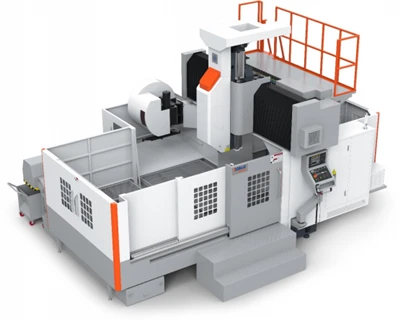
If you’re ready to stop wasting money on poor performance and start getting the most out of your profile machine, we’d love to chat. Whether you have a few questions about the tweaks we mentioned, need a quote for maintenance services, or are even looking to upgrade your machine down the line, feel free to get in touch. We’re not just a supplier — we’re your team when it comes to keeping your machines running strong.
Gantry Machining Center References:
- Manufacturing Engineering Society International. (2021). Best Practices for CNC Profile Machine Performance Optimization.
- Industrial Maintenance and Plant Operations Journal. (2022). The Impact of Spindle Balance on Machine Tool Throughput and Durability.
- Journal of Precision Machining. (2023). Program Path Optimization for Reducing Tool Wear in Profile Cutting Applications.
Taizhou Qiyang Trading Co., Ltd.
As one of the most professional profile machine manufacturers and suppliers in China, we’re featured by quality products and good price. Please rest assured to buy bulk profile machine for sale here and get quotation from our factory. Customized orders are welcome.
Address: Zhenhai Village, Binhai Town, Wenling City, Taizhou City, Zhejiang Province
E-mail: qycncmachine@outlook.com
WebSite: https://www.qycncmachine.com/
