Hey there, if you’ve ever tuned into a pro football game at 2 a.m. or watched a marathoner cross the finish line gasping for air, you’ve probably wondered what’s going on behind the scenes to keep those athletes from blowing out their hearts mid-play. As a cardiovascular ultrasound supplier, I’ve spent years geeking out over how our tools aren’t just for hospital emergency rooms—they’re total game-changers in sports medicine. Let’s break down the real, down-to-earth ways we use cardiac ultrasound for athletes, no stuffy jargon allowed. Cardiovascular Ultrasound

First off, let’s get one thing straight: when most people hear “ultrasound,” they think pregnancy scans. Not us. For sports docs, it’s like having a super-powerful, handheld stethoscope that can see inside the heart. The main thing we use it for? Checking on an athlete’s heart structure and function, both pre-season and when something feels off. I’ve talked to college athletic trainers who swear by our machines for pre-participation screenings. You don’t want a kid who can’t throw a fastball getting cleared to play, or worse, having to sit out because of something that could’ve been caught early.
Let’s start with the big one: screening for hidden heart issues. A lot of young athletes look totally fine on the outside, but they might have conditions like hypertrophic cardiomyopathy (HCM)—that’s when the heart muscle is thicker than it should be, which can lead to sudden cardiac arrest. No one wants that. Cardio ultrasound lets us measure the thickness of the heart walls, check how well the valves are working, and even look at the blood flow through the chambers. I remember a story last year about a high school soccer player who got a routine pre-season scan. Our tech picked up a slightly thickened left ventricle, something his EKG missed. We worked with his team to get him a follow-up, and now he’s playing modified sports, no risk. That’s the stuff that makes my job worth it.
Next up, monitoring training loads. These days, pro athletes aren’t just grinding in the gym—they’re tracking every single metric: sleep, steps, heart rate, even how much they sweat. But what about what’s happening inside their heart? Too much intense training over too long can lead to something called “athlete’s heart” (it’s not a bad thing, just a change the body makes to adapt). But you have to make sure it’s a healthy adaptation, not something that’s pushing them too hard. Our ultrasound machines can track the size of the heart chambers, how well the heart pumps blood (that’s the ejection fraction, in case you’re curious), and even the elasticity of the heart muscle over months of training. A lot of pro cycling teams use our gear to make sure their riders aren’t overtraining so much that their heart starts to weaken instead of getting stronger. I’ve heard from one team that uses our portable ultrasound on training camps in the middle of the woods—no need to haul a huge machine, just grab the device and head out. That’s the convenience side no one talks about enough.
Then there’s injury and recovery tracking. Let’s say a basketball player twists their ankle bad, but their heart’s been feeling off too. Or even more common: an athlete dealing with persistent chest pain or shortness of breath that doesn’t go away with rest. Cardio ultrasound can help figure out if it’s the heart causing the problem. Like, if an athlete has a stress test that comes back weird, we can do an echo (that’s the nickname for ultrasound scans) while they exercise on a treadmill. That way, we can see how their heart handles the extra workload in real time. I had a runner come to us a while back who was quitting marathons because she couldn’t catch her breath. Her initial scans looked fine, but when we did a stress echo, we saw her heart wasn’t moving blood as well when she was running hard. Turns out she had a minor valve issue that we managed with modified training, and she’s back to her PRs now. That’s way better than just telling her she’s “out of shape.”
Oh, and let’s not forget about post-surgery or post-injury care. If an athlete has to get heart surgery—like fixing a valve, or even something unrelated that affects the heart, like a bad case of COVID that lingered—they need to get back to training fast, but safely. Ultrasound is perfect here because it’s non-invasive, no radiation, so you can scan them as often as needed without worrying about side effects. A lot of NFL teams use our machines to track quarterbacks who’ve had heart procedures, making sure their strength and pumping function are back to normal before they step back on the field. I talk to the medical staff of a college football program every month, and they say cutting out the wait times for MRI (which has radiation and is way more expensive) is a total game-changer for their recovery timelines.
Wait, also—what about endurance athletes vs. strength athletes? It’s not one-size-fits-all. Marathoners and triathletes have hearts that adapt differently than weightlifters or gymnasts. Cardio ultrasound lets us tell those differences apart. Like, a long-distance runner’s left ventricle will get bigger to hold more blood, which is healthy. A weightlifter might have a thicker heart wall, but we need to make sure that thickness isn’t crossing into “abnormal” territory. I once had a powerlifter who thought he was just getting strong, but his ultrasound showed his heart wall was a bit too thick for someone his size and training load. We adjusted his routine, and a follow-up scan a month later showed it was back to normal. That’s the precision that only ultrasound can give.
Another thing I love: portable ultrasound for on-site events. I’ve been to collegiate basketball tournaments where a player collapses on the court, and the docs need to act fast. Having a small, easy-to-use ultrasound machine means they can scan the player right there on the bench, not wait for an ambulance to take them to a hospital. That split second can make all the difference. We’ve had so many teams switch to our portable models because they don’t have to rent big machines or wait for mobile units to show up. No hassle, just results when you need them most.
Now, let’s be real—no tool is perfect. Ultrasound isn’t great for every heart issue, but it’s the first line of defense for most sports-related heart stuff. And for us as a supplier, that means we’re always tweaking our machines to make them easier for non-cardio specialists to use. A lot of athletic trainers aren’t cardiologists, so we make sure our devices have simple menus, clear images, and even built-in software that flags any red flags. No need for a PhD to operate it—just some training, and you’re good to go.
I’ve spent years talking to trainers, docs, and athletes, and the one thing that keeps coming up is how much trust they put in ultrasound. It’s not just about scans—it’s about keeping athletes doing what they love, whether that’s playing in the NFL, winning a local 5K, or just playing rec league soccer with their friends. At the end of the day, that’s why I got into this: helping people stay in the game, not getting sidelined by something that could’ve been caught early.
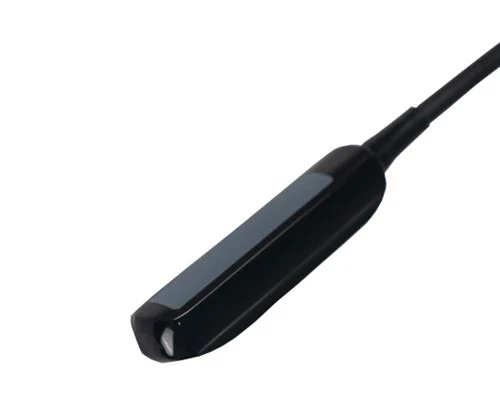
If you’re an athletic director, team medical staff, or just someone looking to upgrade your sports medicine tools, let’s chat. I know every team has different needs—some need a small portable for tournaments, others need full setups for pre-season screenings. We can work together to find what fits your athletes and your budget. No sales pitch, just real talk about what works for the people on the field, court, or track.
Primary Care Ultrasound References:
- Maron BJ, Doerer JJ, Haas TS, Tierney DM, Mueller FO. Sudden deaths in young competitive athletes: analysis of 1866 deaths in the United States, 1980–2006. Circulation. 2009;119(8):1085-1092.
- Pluim BM, Zwinderman AH, van der Laarse A, van der Wall EE. The athlete’s heart: a meta-analysis of cardiac structure and function. Circulation. 2000;101(3):336-344.
- Oxborough D, Shave R, George K, et al. Myocardial function in elite endurance athletes: a systematic review. Sports Med. 2012;42(11):957-973.
- Drezner JA, Ashley E, Chandra A, et al. Current state of sudden cardiac death screening in competitive adolescent athletes: a scientific statement from the American Heart Association. Circulation. 2018;137(15):e492-e509.
- Wilson MG, O’Connor FG, Parmley WW. Cardiac ultrasound in sports medicine. J Am Soc Echocardiogr. 2015;28(10):1125-1136.
Wuhan Zoncare Bio-medical Electronics Co., Ltd.
Wuhan Zoncare Bio-medical Electronics Co., Ltd. is one of the leading cardiovascular ultrasound manufacturers and suppliers in China. We warmly welcome you to wholesale discount cardiovascular ultrasound from our factory. All customized products are with high quality and low price. Contact us for more cheap products.
Address: Zoncare building, No. 380, High-tech 2nd Road, Eastlake High-tech Development Zone, Wuhan, Hubei 430206 P. R. China.
E-mail: info@zoncare.com
WebSite: https://www.zoncareglobal.com/
